


The Ultimate Guide to Dirt Bike Maintenance
The Ultimate Guide to Dirt Bike Maintenance
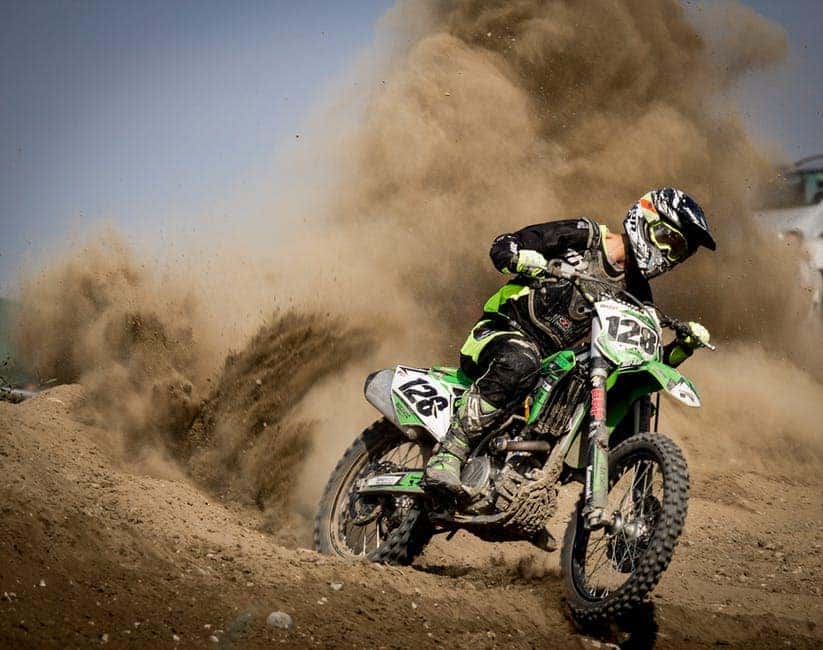
Dirt bikes make it possible for motorcycle lovers to enjoy riding off-road. The thrilling part of it is there are no road signs or rules to be observed but personal safety.
Dirt bikes stand out from other motorcycles. Their unique features and designs explain why people love them. If you own a dirt bike, you can relate to its lightweight, rugged frame and special tires.
Dirt bikes offer off-road adventures. This exposes it to tear through the mad, foliage, and other damages.
You need regular dirt bike maintenance to keep it in the best performance. The last thing you want with your bike is an accident due to faulty parts. Dirt bike care also extends its lifespan.
Keep reading to learn important dirt bike maintenance tips.
Gently Clean Your Bike After Each Ride
Dirt bikes spend a lot of time in the mud, sand, and other dirt. Dirt bike cleaning is the most basic maintenance strategy for your dirt bike. After every ride, it’s essential to clean your bike.
If you don’t have the time to clean after each ride, the roof is after two rides. Why?
Dirt sticks on your bike frame after every ride. If you let the mad stay, it will be impossible to remove them with time. So, how do you clean your bike?
Block the sensitive parts before cleaning. Remove the chain to clean it separately. The chain requires proper scrubbing to eliminate all possible dirt.
Know the right products and detergents to use for cleaning.
Don’t use equipment like a washing machine. Although it sounds convenient than a horse pipe, it can cause significant damage. A horse pipe is gentle and does not expose your bike to any risk.
Clean the wheels and frame. You can use a brush and a detergent for this. This prevents the dirt bike’s parts from mulching.
Remember to dry your bike after cleaning. Use a dry towel, shirt, or air compressor. Don’t dry using the sun as it damages the colour and graphics.
Change the Oil Regularly
Any automobile with a motor uses engine oil. You should know when to refill and replace your engine oil. Always have the engine oil halfway up the glass.
Check the manufacturer’s manual to learn when to replace or refill. Some guides recommend replacement after 8 hours or after each ride. If you spend most of the time in the dirt or mud, you need to change your oil often.
The more often you replace motor oil, the longer you extend the engine’s lifespan. You need to replace it as it collects contaminants and moisture over time. This reduces its effectiveness.
Oil keeps the internal parts of your bike fully functional at minimal friction.
Use quality engine oil for safety and to avoid the need for constant replacement.
Clean the Air Filter After Each Ride
Dirt bikes are exposed to lots of dirt during each ride. The air filter must be clean during each ride. If need be, replace the air filters after every ride.
It’s commendable to own several air filters. It makes it easy to swap out the used air filters. When you are on the last one, you can clean them all.
The goal is to have a full set ready all the time.
Besides cleaning, the dirt bikes require adequate lubrication. Excessive oil may bleed into the engine. If the oil is insufficient, the bikes’ ability to strain contaminants declines.
Clean air filters improve your bike’s performance and protect the engine from costly damages. Use recommended spray-on-filter cleaner or a mix of water and a household cleaner.
Remember to oil the air filter once it is dry.
Check Chain Tension
Proper chain tension should top your list for dirt bike care. Too tight can cause the chain to break. If it’s loose, the bike is at risk of slip-offs or damages.
Chain tension needs to be in perfect condition for your safety. The component transfers the engine’s energy to spin the rear wheels.
Follow the manufacturer’s manual to determine the ideal drive train slack.
After every ride, clean the chains and lubricate them. Rotate the wheel severally to establish the tightest spot.
If you can remove the chain from the rear sprocket, it’s an indicator for replacement.
Check the Tire Pressure
The wheel is the only part that makes contact with the ground. The conditions of dirt bike rides expose the tires to tremendous strain. Regularly inspect the wheels to ascertain they are in perfect condition.
Check the tire’s pressure, rims, and wheel spokes. The rims should be free from cracks and dents. The air pressure should have an accurate gauge.
Use a tire pressure gauge to set the proper pressure depending on the terrain condition. It’s commendable to have 8 psi for front tires and 6 psi for rear tires for rides on muddy roads.
In dry conditions, set your tire pressure to 14 psi and 12 psi for front and rear tires, respectively.
Wheels don’t last forever. Know when it’s time to replace them if there is wear and tear. Replace the wheels or rims with the dirt bike’s model and make for compatibility.
Consult an expert if you are uncertain which wheels or rims to buy. It will save you the costs of trial and error.
Check your tire pressure in between each ride.
Regularly Inspect the Sprockets
Sprockets transfer power to the rear wheel. The component is vulnerable to wear and tear. It can wear out faster if the chains are too tight or loose.
You can tell if the sprockets are worn out and need replacement. You will notice an asymmetrical wear pattern in between the teeth. The deterioration is due to the drive chain’s rotational force.
When inspecting chains tension, check the sprockets as well.
Inspect Your Brake Pads
Brake pads wear out with time. The wear extends to the backing plate. Degradation of the brake pads depends on your usage.
Muddy and sandy conditions erode the pads faster than drier conditions.
Always replace the pads when the brake pad material is around 1mm. Some brake pads have an indicator to signal when it’s time to make replacements. If your bike has no indicator, use a micrometre to measure the material left.
The entire braking system needs to be fully functional. Inspect the brake rotor grooving, heat marks, and calliper slides.
If you are uncertain how to inspect the braking system, contact power sports dealerships for assistance. Westshore Marine service department offers ideal dirt bike maintenance services.
Inspect the Controls and Control Cables
The throttle and clutch cables need to be in perfect condition for safety. If they are frayed or kinked, you should replace them immediately.
The throttle should have the proper amount of free play. You can place the bike on a work stand position, start it up, and let it idle for a while. Rotate the handlebars through their full range of travel.
Your target should be to determine an increase in engine rpm. If it increases, add free play to the throttle cable. The throttle should also snap back crisply when twisted.
Check the Bearings
The bearings reduce friction between surfaces. They improve the smooth handling of the bike. Inspect the bearings on the wheels, wing arms, and steering head.
If the bearings show signs of wear and tear, you should replace them. How do you know the bike’s bearing is in perfect condition?
Position your dirt bike on a center stand and spin the wheels. Check if the brakes grab from warped rotors. Listen for any rubbing noises on either end.
Worn-out bearings are rough, metallic, and dry. For effective maintenance, clean the bearings with a contact cleaner and regrease them with waterproof grease.
Your bearings are among the hardest working parts of the dirt bike. They are vulnerable to friction, heat, and force. Regular maintenance of bearings limits the amount of dirt and grit.
Check Your Fluids
The brake fluids and coolant levels require regular inspection. Brake fluid requires regular replacement to prevent it from absorbing moisture.
A pre-ride fluid is an afterthought for most riders. Don’t assume that the radiator is topped off just because you can’t see the puddle on the ground.
Remember that the radiator coolant can expel fast if the engine is too hot. It is critical to inspect the coolant before the engine gets to normal operating temperature.
Dirt Bike Maintenance Improves Your Dirt Bike’s Off-Road Ride Experience
If safe riding is your priority, dirt bike maintenance should be a regular practice. You need to inspect every part of the bike for maximum functionality.
You don’t have to be an expert for effective dirt bike maintenance. Some of the dark maintenance tips require no expertise. For instance, dirt bike cleaning is a simple practice.
For the technical maintenance operations, you can partner with reliable experts.
Westshore Marine and Leisure has a team of experts that facilitate scheduled and parts maintenance. Contact us if you are looking to buy a dirt bike or need maintenance services.
0 comment(s) so far on The Ultimate Guide to Dirt Bike Maintenance