


Tips for Choosing ATV Helmets
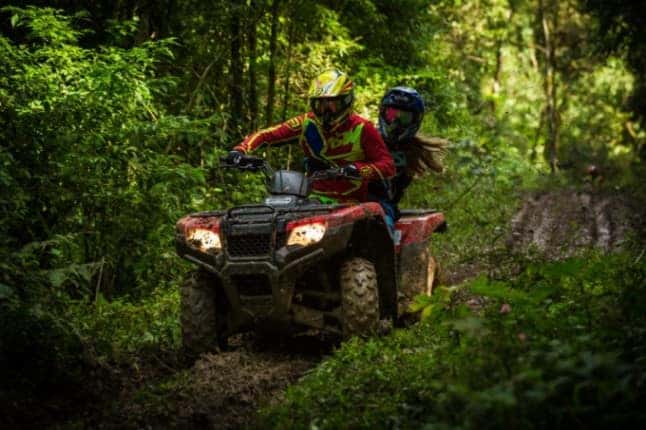
According to Manitoba Public Insurance, you are required to wear a helmet unless you have a reason exempt by law. While wearing a helmet is a simple task, finding the best one on the market can be tricky.
There are so many options and varieties out there that it’s tough to know where to start. If you are having trouble finding an ATV helmet, here are eleven tips you can take with you on your journey to find one that suits you best.
1. DOT Certified
Because safety is of the utmost importance when it comes to choosing a helmet, you want to look for one that has been certified by the Department of Transportation. They randomly test helmets, and when they pass, they put a DOT sticker on the back to let consumers know that they offer full protection.
The Department of Transportation checks to ensure that drivers have one hundred and five-degree vision on both sides of the helmet. This range allows them to use their peripherals at all times.
Furthermore, they crash tests to see if the helmet will stay on the driver’s head when impacted. Then the DOT will see how much energy a helmet can withstand, checking for sturdiness. If an object flies towards the helmet during a moment of impact, they want to see if it will damage the shell.
2. Snell Certified
The Snell Foundation, which has been around since 1957, created a checklist to go through when testing helmet safety. They look to see how flammable helmets are and if they can endure extreme weather conditions, including precipitation. They also have a sticker that they put on the inside of the helmets to let you know that it has passed their test.
3. Consider All Types of ATV Helmets
There are helmets that you can wear no matter what kind of vehicle you are on. When you are riding an ATV, there are helmets that better for certain scenarios. These are some of the options you can choose from.
Full-Face Helmets
The highly recommended, a full-face helmet is the one that offers the most protection because it covers your entire skull, face, and chin. It does well in any weather and protects your face from the outside environment.
When you are flying down open ATV trails, the wind could dry out your eyes. Plus, you never know when a bug is going to fly into your eye or mouth. With the full-face helmet, you don’t have to worry about that.
Open-Face Helmets
If you don’t care so much about that stuff, then you might want to go with an open-face helmet. It’s slightly lighter than the full-face helmet but not as protective. It’s not usually recommended for ATVs but is perfect for motorcycle tourers and cruisers.
Modular Helmets
The modular helmet is the best of both worlds. It has a visor that flips up or down depending on where you are and what you are doing. Again, it isn’t as safe as the full-face helmet, but it’s the next best option as far as helmet safety goes.
Half-Helmets
Half-helmets only cover part of your skull and leave both your face and chin exposed. Because they don’t have that many parts, they are lighter and better for long rides on a cruiser. However, you might want to consider buying goggles if you choose this kind.
Off-Road Helmets
For trails, you want a wide range of vision and a long visor. That is what an off-road ATVs helmet offers. They also have a cut out on the back that your goggles will sit nicely on.
Dual-Sport Helmets
The final option is a hybrid of the full-face and off-road and is one of the more versatile helmets. The dual-sport is built for roads and trails. Because it has a face visor, you won’t have to buy goggles. When you don’t want the face visor, you can push it up.
4. Features to Look for (and One to Avoid)
To get a good sense of how good a helmet’s quality is, you need to pay attention to three things: weight, inner liner, and chin straps. Even though these aren’t the only features you’ll want to take into consideration; they are the ones that affect how safe the helmet will keep you.
A helmet’s weight can tell you a lot about its durability. The lighter the helmet, the higher chance it has of cracking. If you have concerns about the weight, check the product’s material before purchasing.
Because chin straps prevent the helmet from falling off your head, you’ll want to make sure that their material is of high-quality. The same goes for D rings, which attach to the chin straps and allow you to tighten or loosen them. Additionally, you won’t want to have to pay the extra money to replace these items if they wear quickly.
The inner liner is the foam, which cushions your head by preventing it from resting against the shell. To pass DOT inspection, the liner needs to be at least one inch thick. This padding will give your helmet a chance to absorb any energy caused by impact so that it doesn’t affect your head.
5. Ventilation and Aerodynamics
Although ventilation and aerodynamics don’t have anything to do with safety, they have everything to do with comfort. A well-ventilated helmet will help deal with sweat, which tends to increases the heavier your helmet is and the longer your ride. Open-face options work to increase the amount of air-flow.
Additionally, when you’re driving fast, it’s always better to have aerodynamics on your side. If you’re not moving through the air well, it could cause noise problems, or it could feel like the air is bouncing through your helmet.
6. Shell Material
There are four types of shell material, all of which provide a different durability level and come at their own costs. The one with the lowest price point is polycarbonate. Because it is not as durable, you need a thick inner layer to protect your head.
Fibreglass costs slightly more than polycarbonate, but it does a better job of absorbing energy and weighs less than its counterpart. Like any other helmet, though, as soon as it cracks, you need to replace it.
The next option is a hybrid of two materials: kevlar and fibreglass. This material is the second most sturdy option, and because of that, they cost more than the prior options.
Last but not least is yet another hybrid, the carbon and kevlar shell. This material is nearly unbreakable and, therefore, costs the most money, upwards of $600. However, you are less likely to have to replace it in the five years you own it.
7. Sizing
If you have been fitted for other types of helmets before, you might already know what size you need. If not, use a tape measure to get a precise measurement of the circumference of your head.
Your ATV riding helmet should fit snug on your head, as any room for movement can prevent it from protecting your skull to the best of its ability. The chin strap should rest close to your skin as well.
However, this does not mean that it should be uncomfortably tight, either. A helmet that is too tight can cause headaches and red spots to form on your face. Try the next size up if this occurs.
8. Cost
More expensive doesn’t necessarily mean better. While heavy-duty materials are more expensive, other factors that play into a helmet’s price. Added features, like unique graphics, anti-bacterial fabric, and a no-fog face shield, are going to drive up the cost.
That said, you get what you pay for, so you don’t want to go with the cheapest helmet, either. Prioritize high-quality materials and decide if there are any additional gadgets you want, then budget accordingly.
9. Be Safe and Buy a New ATV Helmet
Your helmet’s shelf life is anywhere from three to seven years. Usually, riders replace them after five years because the helmet technology evolves so rapidly, which is part of the reason why you shouldn’t buy a used helmet.
It is also challenging to clean an old helmet. Sweat and face oils have seeped into the lining after it has been on the previous owner’s head for hours at a time. Thus, making it difficult to restore.
Another reason is that you can’t always tell if it has cracks, and you don’t want to risk wearing one that isn’t going to do its job. Buying a helmet is an investment in your safety, so you might as well spend the extra dollars on one that guarantees to protect you from harm.
10. Do Your Research
When scouring the internet for the best ATV helmets, make sure you compare and contrast lists. Many sources have very different top ten lists. However, checking out a few of them is an easy way to see which brands are the most reputable, as they likely make multiple lists.
Brands like Bell, O’Neal, and Arai are often praised, but the helmets mentioned differ from source to source. Once you decide on a manufacturer, you should do some research on each helmet and check out their reviews. Hearing fellow ATV riders’ opinions may give you some clarity about which one you should choose.
11. Stick to Your Style
You don’t need to sacrifice your personal style and preferences for safety and durability. Pick a helmet with colours and designs that suit you best. There’s nothing wrong with wanting to look good while you are driving down dirt roads.
Head Out on Your ATV Adventure Today
While there is no “best” helmet, there is one that is best for you. Now that you have a better sense of what ATV helmet you need, maybe you are starting to wonder about where you can go to rent an ATV.
Westshore Marine and Leisure has all the options you could want at reasonable daily rates. Are you thinking about buying instead? We have a new and pre-owned option too.
Contact us today to get a hold of an ATV soon. And if you’re thinking about going on a trip soon, check out the cool places you can take your ATV for a ride.
0 comment(s) so far on Tips for Choosing ATV Helmets