


The Most Common ATV Repairs
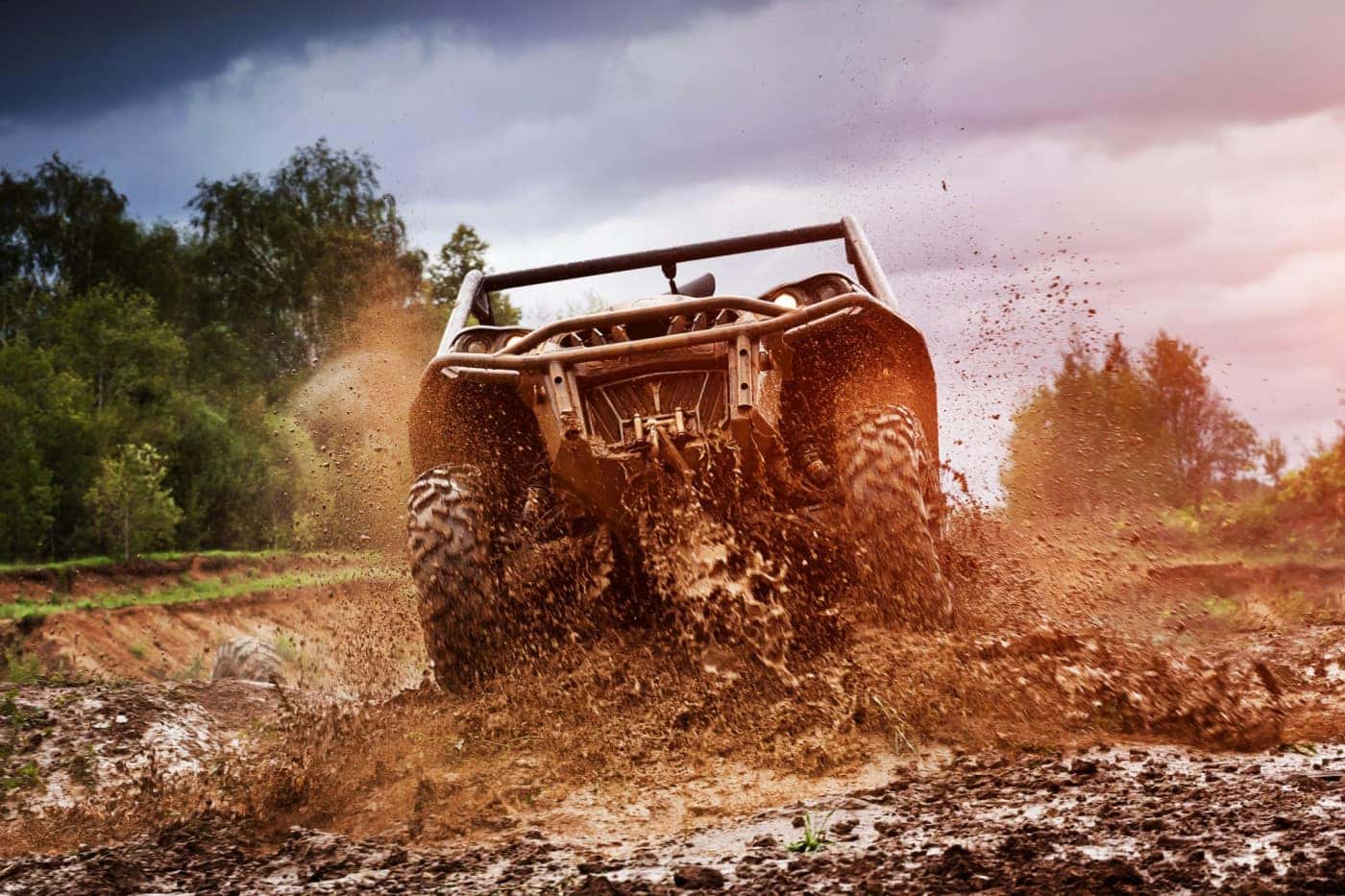
Canadians love their all-terrain vehicles. The fact ATV recreation is a billion-dollar business in the Great White North proves it.
If you’re one of many Canadians who own an ATV, then you know about how easily a mechanical issue can put a (metaphorical) dent in your fun.
What are the most common ATV repairs, and what can you do to avoid them? This guide is here to help. It looks at common issues that crop up with ATVs, plus the steps you can take to keep your machine ready for your next great adventure.
Changing the Air Filters
You might be surprised by how common a clogged air filter is with ATVs. It makes sense, though. Air filters are easily forgotten, right until your ATV stops working the way it should.
It’s also easy to see how they can get clogged up, especially since off-roading is often muddy business.
What kinds of problems show your air filter is clogged? Airflow is key to proper engine function. If you’re noticing issues with engine performance, then your first suspect should be the air filter.
Low gas mileage can also indicate a clog in the filter. If you change the filters and don’t notice an improvement, then you may have a different issue on your hands. It’s best to start here, though, since this ATV repair is simple and often affordable too.
Changing the air filters is a simple step to keep your ATV in good working order. If your ATV is still on the newer side, you can usually get away with cleaning the filter out.
For older quads, it’s best to get them on a schedule. Change the air filters regularly, and you’ll avoid a host of associated issues.
The Battery Doesn’t Have Enough Juice
If your ATV won’t start or only lazily tries to turn over, the battery could be at fault. Your next step is grabbing a multimeter to test the battery. It would help if you had an output of 12V.
Anything less indicates the battery is drained. Now it’s time to reach for the jumper cables.
That might be enough to get the vehicle started. The battery charges while you’re driving around too.
Another option is to pull the battery out and let it charge for a couple of hours. You might want to keep a spare on hand in case this happens, so you don’t have to delay your planned activities.
If you’ve tried boosting the battery or charging it, but your ATV still doesn’t have any get-up-and-go, it might be time for a whole new battery.
If a new battery doesn’t resolve the issue, then there may be another underlying issue. Most often, though, it’s as simple as getting the right charge.
Putting a Spark Back in the Ignition
Another common issue with ATVs is the ignition itself. If you charged the battery or swapped it for a new one and you still can’t get the vehicle to turn over, there could be an issue with getting it to ignite.
The most common culprit here is your spark plugs. Spark plugs let the fuel ignite, so the engine can turn over and run. If they’re not working, the engine won’t turnover, no matter how many times you turn the ignition.
You can check out the spark plugs physically. They’re liable to get covered in gunk. They can also corrode.
Either will cause them not to work properly. There should be a small gap present. If it’s not there, then you have a problem.
If the plug looks a little off, then your best bet is to replace it. If it looks all right to you, you can make sure it’s working the right way by testing it with the multimeter. That should let you know whether a spark is present or not.
Spark plugs can be replaced with relative ease. Some ATV owners do the replacement themselves, but you can also call on the professionals to make sure they’re handled right.
If your spark plugs are okay or you replaced them, and the ATV still isn’t working, the issue may be elsewhere in the ignition system. Ignition coils and the capacitator discharge ignition (CDI) can fail, although they’re not usually the problem.
Common Issues Around Fuel
Your fuel can actually be a problem in a few different ways. The most common issues related to old or bad fuel.
If you only use your ATV seasonally or you don’t use it a lot, then this might be the first thing you suspect. You haul the ATV out of the shed in the spring after a winter of disuse, and it won’t start. You checked the spark plugs, and they’re still dry.
Did you remember to drain the fuel out of the tank before you stored the ATV? If not, the gas has probably gone bad. Old gas can gum up your fuel supply line or your fuel pump, which then causes a clog.
Clogs prevent gas from getting through to the cylinder. That’s why your spark plugs are still dry after you crank the engine. It can even clog up the carburetor.
The best way to prevent this from happening is to make sure your ATV is prepped if you’re not going to ride it for a while. If you’re storing it for the winter, then you may want to drain the fuel out of the tank.
You can also put an additive in the fuel, which will keep it “fresh” longer. Make sure you clear out your fuel supply line and the carburetor through so that there’s no gas without the additive left in them.
ATV Repairs for Loss of Power
If you’re driving around and your ATV loses power, you probably have a slipping clutch. You can often tell when the clutch is the culprit because the engine will have a high-pitched whine. You might also notice a lack of traction.
Why do clutches start slipping? If you ride hard, it’s wear and tear. There’s not much you can do to prevent this one, except for ride a little more conservatively or opt to replace the clutch before there’s an issue.
The good news is that as much as a slipping clutch is a pretty common issue, it’s also an easy repair. You’ll want to take it to your nearest ATV shop or your trusted mechanic. They should be able to get you up and running in no time.
Valve Seals and Pistons (and the Smoking ATV)
Many ATV owners notice some smoke when they start the vehicle up. If you notice a bit of smoke that quickly dissipates, it’s usually condensation burning off. That’s nothing to worry about.
More concerning is white smoke that shows up early in your ride or when you’re revving your engine. While it can be a bit panic-inducing to see, it’s actually not a big issue. It usually indicates there’s a problem with the valve seals and the pistons.
You’ll want to get that looked at and fixed up, of course. Like any repair, leaving it for too long will let the problem get worse. Then it will be a bigger deal than it has to be.
What if the smoke you see is black or blue? That means you’re burning gas or oil, respectively. Burning gas is usually a very bad sign.
Burning oil isn’t always a big issue with a 2-stroke, but it is bad news for a 4-stroke. Either way, getting the machine checked out and fixed up will prevent bigger problems later on.
Replace Your CV Boots
One of the most common ATV repairs is to the front and rear CV joints. You might think that’s just par for the course. After all, you’re riding some rough terrain, so the axles and their joints are going to take some punishment.
Some ATV owners end up replacing entire joints, though, which can cost a pretty penny. Instead, take the simple step of replacing the boots now and then, and you’ll save yourself a bunch of cash.
CV boots protect the shaft joints, but they’re subject to wear and tear. If they crack, then the grease in them attracts all kinds of dirt and debris. That then grinds up the metal parts, and you’re looking at replacing the whole joint versus nabbing a $20 part.
Best of all, replacing the CV boots is a simple job that either you or your mechanic can handle with ease.
Keep Your ATV Running Smooth
There are plenty of things that can go wrong with an ATV. The good news is that many ATV repairs are simple to handle, especially when you work with experienced mechanics.
Concerned about your ATV’s performance or ready to bring it in for a routine check-up? Get in touch with our expert team and see the difference the right care can make for your ATV’s performance! Find out why Westshore Marine is Manitoba’s Polaris Dealer and ATV dealer of choice.
0 comment(s) so far on The Most Common ATV Repairs