


How to Get Your Personal Watercraft Ready for the Fun Summer Months
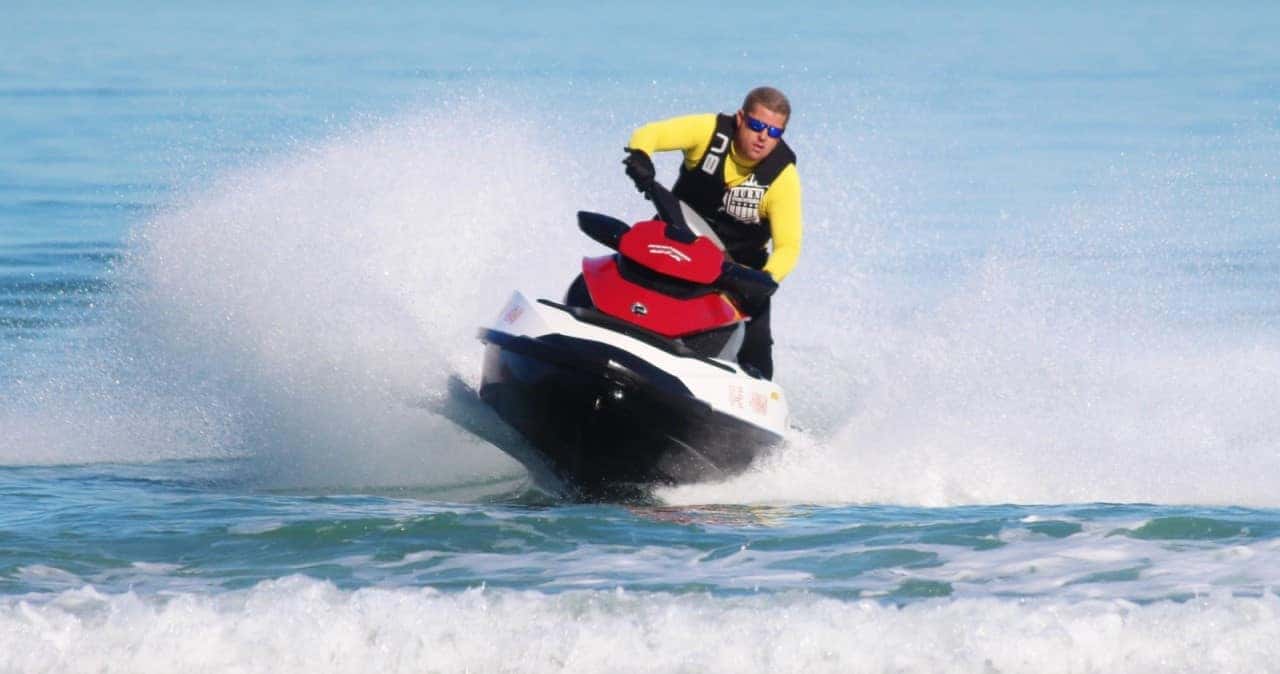
The good news for you is it’s finally jet ski season again, but you want to make sure that this is a summer of fun out on the water— not filled with expensive repair and towing bills.
It’s time to is “summerize” your jet ski!
Taking a couple of precautions to get your personal watercraft in tip-top shape will give you the most out of your summer. Here is a complete guide on how to prepare your personal watercraft for a summer of fun!
Replace and Charge the Battery of Your Personal Watercraft
The very first thing you should do when getting your personal watercraft, jet ski, or wave runner ready for summer is to replace and charge the battery.
It’s the most important piece in allowing your ski to function. With no battery, there’s no way to get out on the water.
You do not want to neglect this step because if the battery has become corroded over the winter or is not fully charged, it could leave you stranded out in the water, and no one wants that!
Even if you just purchased a new battery last season, it is still imperative that you replace it.
Unlike a car that is used almost every day, jet skis have only been used a fraction of that time. This causes the battery to sulphate. Sulfating is when there becomes a build-up on the battery over time and causes it to lose charge.
This process is sped up when the vehicle is not used often; the same would happen to your car if you barely drove it. With jetskis, it happens even quicker because the battery is smaller.
Have All Fluids Drained and Refilled
When you’re preparing your jet ski for a summer of wild riding, you need to make sure that it has full and clean fluids.
The fluids your jet ski runs off of is basically how food is to a human being—gives it the energy and drive to run right. The oil keeps you watercraft engine clean, lubricates all the internal moving parts, and cools the engine down during/after use to prevent overheating,
If your watercraft has dirty oil or is low on fuel, it could actually damage it if it runs like this over time.
Oil in your craft should be replaced about every 50-100 hours of use when you are using your jet ski on a regular basis. If it has been sitting in storage, then you need to double-check it.
Similar to the battery, over time, when oil is exposed to heat, air, and moisture, it begins to oxidate. This deteriorates the quality of the oil and causes it to thicken, meaning it won’t properly lubricate your ski.
When summarizing your ski first, replace the oil filter, get a proper oil change, and refuel!
Lube-Up, Grease, and Seal All Bearings
Grease, grease, and more grease! As you can see, the most important part of preparing your jetski or watercraft for the summer is making sure it is properly lubricated.
Internally, the oil and engine fluid takes care of this, so the inside of the ski runs perfectly. The outside of your craft needs the same. Makes sense, right?
The bearings that hold everything together need to be greased, lubed up and sealed tight. If this step isn’t carefully completed, then water, air, and other debris can get back inside the ski, completely defeating the purpose of all the internal work done previously.
Get Spark Plugs Replaced
Replacing the sparkplugs of your watercraft is something that you can’t do too often.
Some enthusiasts will replace them every time they use their jet ski. Although this isn’t absolutely necessary, but after a season in storage, you’re going to want to replace those plugs, no doubt about it.
Spark plugs are the small part that actually allows your engine to ignite the fuel when revved up. In order for the engine to start, a jet ski needs three things: air, fuel, and spark plugs. Without these, the ski simply won’t turn on or have problems starting up, depending on how bad the plugs are.
These are some things that cause sparkplugs to wear out quick:
- Too much idling
- Overfilling the gas tank
- Overfilling the oil
Avoiding these things can keep your spark plugs in good condition and allow them to work properly for as long as possible,
The rule of thumb for sparkplug replacement is around every 25 hours of engine time or every 5th time you take it out. This is sufficient for regular wear and tear.
At the beginning of the summer season, replace those plugs so you can get riding.
Flush Out Engine and Rinse
The last step to getting your ski water-ready is a proper engine flush and rinse.
Before you put your watercraft into storage, it should have been rinsed properly as well. Dust and other debris can settle inside the engine, so it is important to do it again before you get going.
Hook the engine up to a hose for 2-5 minutes and let it run to get a proper flush. Rinse off the outside, and she will be good as new!
Now You’re Ready to Ride!
After completing these steps, you are prepared to get your personal watercraft into action.
Contact us or stop in or more information on how to prepare your watercraft for summer, services, part, and any other inquiries.
0 comment(s) so far on How to Get Your Personal Watercraft Ready for the Fun Summer Months