


What Is a Fish Locator and How to Use It
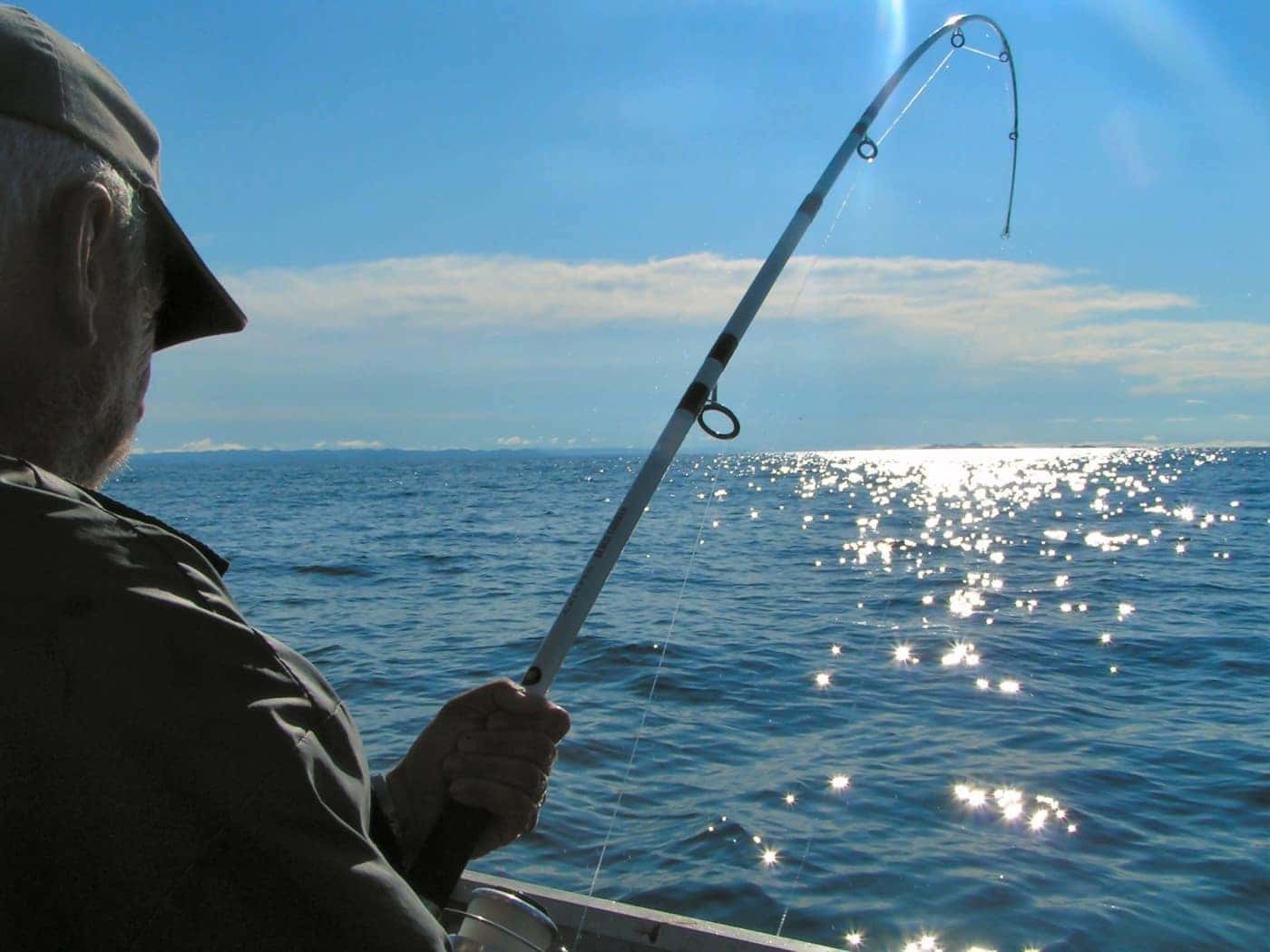
Getting outside and fishing is a timeless activity that can be both rewarding and frustrating. The frustration comes out because, sometimes, you can’t seem to find where the fish are hanging out.
Spending years on one body of water is sure to give you a few insights as to where fish are most of the time, but even that lake-specific wisdom can prove to be wrong at times.
You can eliminate a good deal of that frustration with a fish locator. We’re going to take a look at what fish locators are in this article, giving you some insight into how they work and what you can use them to do.
Let’s get started!
What Exactly is a Fish Locator?
As we’re sure you can imagine, a “fish locator” is a tool that helps fisherman to locate fish. There are numerous kinds of fish locators, ranging from ones that operate in deep seas to those that help fishermen find smaller fish in tiny ponds.
The way that you read and interpret the information of fish finders can vary as well. The general principle of fish finders is the same across the board, though, and that is that they use sonar to identify what lies beneath the boat.
Information is gathered by the transducer and sent to the computer to be interpreted and displayed for the fisherman to see.
Transducers
The transducer is the piece of the locator that emits a pulse at certain frequencies. That pulse bounces off of whatever it encounters in the water and comes back at a frequency that reflects the size and shape of the object it touched.
This is how sonar works. Frequencies are emitted and returned carrying information about the objects that they came in contact with. Basic transducers can gather information about the distance and size of the fish in the water below your boat.
In most cases, that information is enough to give you a massive advantage. If you want to get fancier, though, it’s possible to get more advanced transducers that produce more advanced images of what’s beneath.
Further, the quality of your transducer will determine how deep you can look into the water below. Some big game ocean fishermen have fish locators that can see a swordfish at incredible distances.
GPS and Mapping
Most modern fish locators are equipped with GPS as well. This doesn’t have too much to do with finding fish under the water, but it’s useful to have when you go to the same lakes over and over.
You can plot your locations on a map and chart out where the fish are and when. Through the seasons, you’ll see where specific fish are gathering, and you can return to those specific locations with the points that you’ve saved on your GPS.
It’s also useful to note that some GPS features can chart out the bottom of the lake you’re on, even if that lake is previously uncharted. Having a clear idea of the terrain you’re boating over can help you understand the lake to better fish in it.
Even if you didn’t find any fish on a particular ridge that you’ve plotted, for example, it’s useful to know that the ridge is there because it could give you an indication of where fish are travelling.
Generally, the more information you have about the bottom of the lake and the fish within, the better odds you’ll have of catching those fish.
Screen Size and Resolution
Locators come with a range of screen sizes and resolutions to work with. Keep in mind that the most important part of the device is its ability to located and monitor fish underneath you, so a good transducer is the first thing you should be thinking about.
It’s easy to get distracted by a large, fancy screen, but make sure that it’s backed up with a great sonar system. That said, having a larger screen might be an important feature for you. Peering at a small square with low-resolution images can be a bit tedious.
Generally speaking, the more space a screen has, the finer the features of the device. Bigger screens allow more GPS functionality and space to house different locator functions that wouldn’t be possible on 3-inch screens, for example.
The resolution of your screen isn’t as important as the space that it provides, though. It’s always preferable to have a finer picture, but a pixelated image of a fish tells you just as much as a high-resolution one does.
Dual Finders and Networking
Advanced finders might have the option to link up with one another. You can sometimes place multiple fish finders on different parts of the boat, and those devices can coordinate and produce a comprehensive look at the activity underneath your boat.
This is more useful for people who have massive boats or are fishing in an exact way. If it’s crucial that you can monitor the full perimeter of your boat at all times, networking a few devices together might be a great move for you.
The further you go into networking and linking systems, the more complex that connection will be. In some cases, you might have to link up with a professional to establish a system that works as it should.
How to Use Your Fish Finder
Now let’s take a look at some tips you can use to use your fish locator effectively. It’s important to note that all of these devices are a little different, so the particulars of yours might be different than your buddy’s across the pond.
That said, there are some things you can do on any finder that will help you understand them and use them properly. Let’s see what those methods are.
Don’t Neglect the Manual
First things first, read the manual. You might think that the finder you’ve purchased is intuitive, and you can flip it on and go. That may very well be, but fish locators are always more complex and clever than they seem to be.
In other words, you could probably hook your locator up and start using its basic functions, but then you wouldn’t have any knowledge of the advanced things that it could do. Maybe you won’t be able to plot your lake, make GPS pins, or identify more information about the fish you’re seeing.
The point is, peruse your entire owner’s manual before you start setting up and using your device. You might find that there’s a lot more involved with your locator than you thought.
Get a Feel for The Screen
The fish finder typically consists of a screen and a few buttons for you to control. Get a feel for where the basic functions are. You’ll see things like depth, temperature, time, and coordinates.
Also, make a note of how the sonar information moves across the screen while you move your boat. In most cases, information on the right is the newest, and that information moves slowly to the left to make room for new data.
That progression carves out a clear look at how the bottom of the lake is changing, where the fish are, and how deep they are. Fish will be situated on the screen according to depth and size. This is a pretty intuitive feature of the fish finder, but it’s crucial that you understand it before you get fishing.
Adjust Your Features
There are a lot of opportunities to personalize your finder. Different features on the device can often be adjusted to your liking.
The main thing to determine is whether you want to use the fish symbol feature or use abstract visual data. When you have abstract data, you see fish and different activities in the form of what looks like infrared blobs on the screen.
These dots and blobs can give you a more specific idea of the activity than a fish symbol can. That said, it takes a little time to figure out just what that information means and how it pertains to you.
When you use fish symbols, you’ll see the outline of a fish in size relative to the fish’s size that you’re picking up. There are advantages to both options, but it can be confusing to use the abstract option first, and you might be a little confused about what that information means and how to use it.
Overall, though, you should be able to get a pretty good feel of how to use your finder on your own. The finer points will be discussed in your owner’s manual, and there are always customer service agents to help you with concerns if you feel like you’re stuck.
Want to Improve Your Fishing?
A fish locator is a must-have for any fisherman looking to improve their odds. We’re here to help you might the right choice and start pulling fish out like nobody’s business.
Please explore our site for more ideas on fish locators and other marine accessories.
0 comment(s) so far on What Is a Fish Locator and How to Use It