


10 Ways to Maintain Your Snowmobile
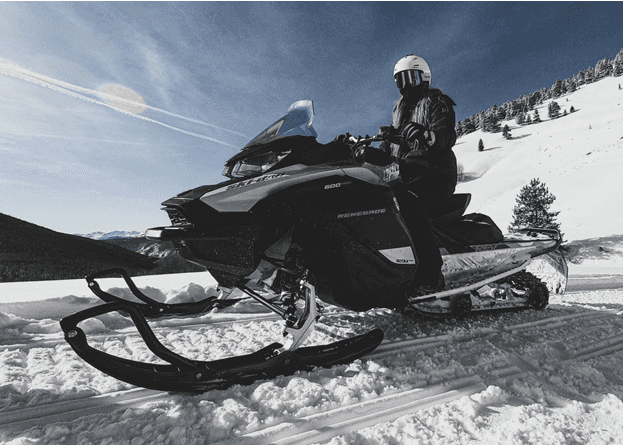
Snowmobiles are high-performance machines designed to get you through challenging snowy terrain quickly. These specialty vehicles excel at this task thanks to their complex mechanical systems designed via decades of engineering expertise. However, these components also require periodic maintenance.
Snowmobiles can run at their best only when they are maintained properly. Let’s look at some essential maintenance tasks to perform on your snowmobile to increase its lifespan and keep it functioning well.
1. Perform a Pre-Ride Inspection
A pre-ride inspection may not count as a form of maintenance in itself. However, it helps you identify key areas that may be in need of attention.
So consider giving your snowmobile a quick lookover before taking it outside and firing it up. Keep an eye out for any signs of damage or minor wear on the vehicle’s exterior. This also includes checking for loose bolts, rust, leaks, or worn belts.
Such minor problems can lead to significant safety issues when you are out on the trail so it is essential to keep an eye on them. No one wants to be stranded or left with a machine that is damaged beyond repair, so consider making a pre-ride inspection a core part of your snowmobile riding routine.
2. Check Your Coolant System
Your snowmobile’s coolant system plays a vital role in preventing engine liquids from evaporating and escaping. These liquids prevent your engine from overheating when it is cranked up. Therefore, it is important to inspect the coolant system frequently.
You can check the coolant by removing your snowmobile’s hood and viewing the coolant reservoir. This reservoir may have level lines or markings to help you determine when the coolant level has fallen below the recommended amount. If you need to top up the coolant, it is best to drain it completely and replace it with a fresh coolant mixture.
If your snowmobile has a fan-cooled system, you should inspect its components for signs of wear and damage. This includes belts, pulleys, and the fan assembly itself.
3. Inspect the Chaincase’s Lubrication
A snowmobile’s chaincase is part of its secondary drive system. It contains the chain and the sprockets that help drive the vehicle. Each of these parts must be well-lubricated to function well and avoid unnecessary wear.
The oil that keeps these parts lubricated should typically be changed every season. This will help ensure the chaincase does not degrade. The good news is that changing the chaincase oil is as simple as draining the old oil and adding in new oil.
4. Change the Oil
4-stroke snowmobiles need to have their oil changed every year at minimum. Some manufacturers recommend changing this oil after using a new machine for 500 miles, and then following it up with an oil change every 2500 miles.
You can change the oil using the following steps:
- Turn on the snowmobile and allow it to idle for 10 minutes.
- Elevate the snowmobile using a floor jack.
- Remove the snowmobile’s hood and side panels.
- Remove the pushpins holding the lower side panels in place using a screwdriver.
- Uninstall the belly pan.
- Locate the oil drain plug and place a drain pan under the vehicle.
- Remove the plug using an allen wrench and remove the oil filter.
- Allow the oil to drain out.
- Remove the snowmobile’s copper washers and add new ones in their place.
- Replace the filter and the drain plugs.
- Remove the filler cap and add 3.5 quarts of oil.
- Place the cap back on, turn on the engine, and allow it to idle for 3 minutes.
- Check the oil level, remove the drip pan, and assemble the snowmobile.
5. Check the Oil line
2-stroke snowmobiles don’t require an oil change because the oil is usually combined with the fuel. However, you should still inspect the machine’s oil line to ensure it hasn’t cracked or corroded.
6. Replace Your Filters
Modern snowmobiles come fitted with two types of filters. These are the fuel filter and the air filter. Both these filters help keep external debris away from your snowmobile’s fuel system and engine. However, they can get clogged up over time.
You can remove the air filter and clean it fairly easily using compressed air. You may need to eventually replace this with a new one if it has become too dirty and can no longer be unclogged without being damaged.
The fuel filter can’t be cleaned as easily, and will need to be replaced with a new one periodically. Most snowmobile manufacturers specify how often you should change your fuel filter, so consider consulting the manual for this information.
7. Check the Exhaust System
The snowmobile’s exhaust system impacts its performance and loudness. You can tell your snowmobile’s exhaust has become damaged or is degrading if your machine suddenly becomes louder. However, you should keep an eye out for other warning signs the exhaust needs to be repaired.
For example, you should look out for any holes or rust in the exhaust system. Such problems should be addressed before they spiral into bigger issues that require the entire exhaust system to be replaced.
8. Inspect the Wear Guards or Carbides
Wear guards and carbides are usually affixed to the bottom of snowmobiles and help the vehicle maintain traction and handle well through snowy and icy terrain. These components do get worn down over time, which will impact your snowmobile’s performance and safety.
Wear guards can be replaced once they have worn down. Carbides can be made good again after being sharpened at a shop. However, they too will eventually need to be replaced after some time.
9. Check the Clutch
The snowmobile’s clutch transfers power generated from its engine to the shafts. This then helps propel the machine forward. Your snowmobile’s clutch undergoes regular wear and tear, so you should inspect it regularly.
You can tell if your clutch is going bad if it starts producing strange noises or develops poor backshift. Your snowmobile will lose power more frequently and consume more fuel when the clutch has become worn down.
You may be able to correct some of these issues by disassembling the clutch and cleaning it with hot water, soap, and an abrasive pad. In more extreme cases, you may need to replace the snowmobile’s clutch entirely.
10. Realign the Skis
It’s not uncommon for your snowmobile’s skis to become misaligned over time. This can impact how your vehicle rides and handles outdoors, so it is important to correct this issue.
You can first identify whether your skis are misaligned by centering your handlebars. This can be done by measuring the distance from the snowmobile’s seat to the outer edge of each handlebar. If the handlebar is centered, this distance should be the exact same for both sides.
Next, you should use a long straight edge to align the track with the skis. Place this straight edge up against the track and move it forward so that it is between the skis. Next, you can use a tape measure to check the distance from the straight edge to center of each ski. You should compare these distances with the ones specified in the snowmobile’s manual.
If the skis are misaligned, you should loosen the jam nuts on the inner and outer tie rod end. You can then adjust the skis and bring them into their recommended position.
Maintaining Your Snowmobile
The snowmobile maintenance tasks listed above are essential for any new snowmobile owner who wants to ensure their vehicle lasts for many years. These powerful vehicles can last for well over a decade when they are maintained properly, so keep an eye out for the different signs we mentioned above.
You should be able to complete most of the tasks mentioned above by yourself. However, you may need to take your snowmobile to a professional for any major repairs or maintenance tasks. We recommend giving your snowmobile a thorough inspection before taking it out at the start of the season. This will help minimize any issues and interruptions when you finally hit the trail for some quality outdoor time.
If you’re interested in purchasing a new snowmobile, check out our selection at Westshore Marine. We offer a wide range of snowmobiles from leading manufacturers in North America. We also offer snowmobile rentals for people who would like to experience the thrill of driving a snowmobile without investing in the full price of one. Please contact us to learn more about our snowmobiles or to get advice on snowmobile service.
0 comment(s) so far on 10 Ways to Maintain Your Snowmobile