


Tips to Help Steer Your Four-Wheeler Better
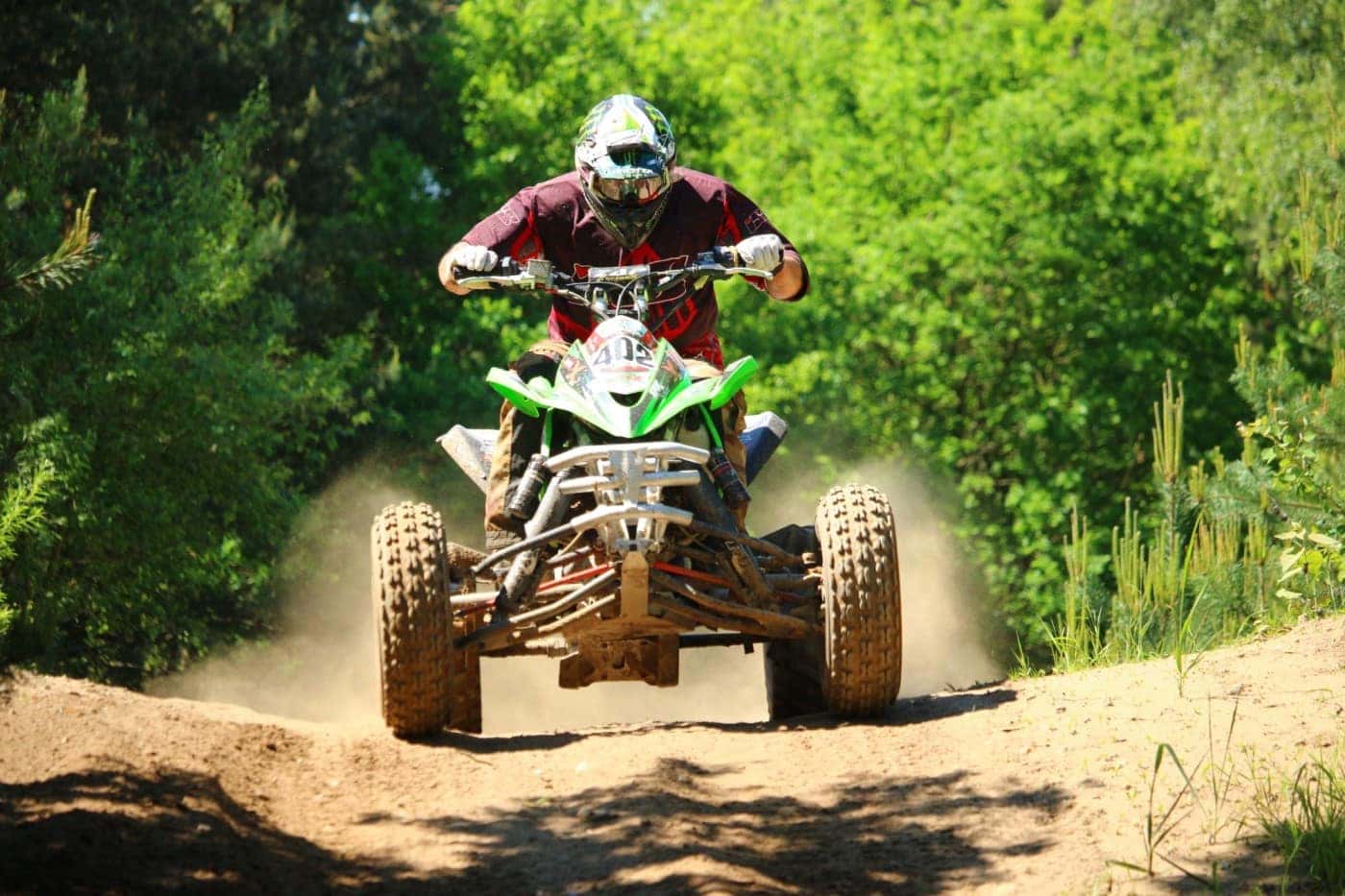
ATV riding is a fun way to enjoy the outdoors and experience a thrill through some recreational riding. However, it’s important to remember that ATVs aren’t toys! Children and teens are susceptible to injuries because they don’t understand the combined danger of the weight and speed of these vehicles.
With this in mind, read on to learn all about ATV trail riding essentials to ride more effectively and safer.
1. Start Simple
If you or your teenager is just getting started, you may feel tempted to purchase a high-performance sport quad for the most bang for your buck. However, it’s recommended to start with a simpler utility ATV with less power. As you or your teenager practice, you’re far less prone to serious injury if you make a mistake or have an accident.
Utility ATVs have automatic transmissions, and they often have more comfortable seats compared to sport ATVs. They can also be used for hauling cargo or people.
2. Choose the Right Size
It’s important that you choose the right size for the age and skill level of the rider. Here are a few suggestions:
- 50-70cc – Beginners under 12
- 90-125cc – Beginners under 16
- 200-300cc – Teens and small adult hobbyists
- 400-500cc – Adult beginners, great for light trail riding
- 550-700cc – Larger adults, aggressive trail riding or ATV mud riding
- 700-1000cc – Experienced adult riders that want speed and power
You can see how choosing the right size ATV can drastically change your comfort level on the vehicle. For instance, riding a 700-1000cc ATV as a beginner can drastically increase your chances of injury.
3. Safety Equipment
You need to have the right ATV riding gear before you even begin riding. You’ll find that the best ATV riding gear can be expensive, but it’s worth the extra protection as well as the investment into your health. You’ll want to invest in a:
- Helmet
- Goggles
- Gloves
- Boots
If you expect to be riding on the trail aggressively, you’ll also want to consider purchasing a good vest and pants. This gear will help keep you protected even if you suffer from a bad accident.
4. Prep
Before you hop on the ATV, spend some time to get to know it. Please take a look at your owner’s manual so you know exactly how the ATV works and the details you need to look out for when it comes to its proper operation.
You can also take a seat on the ATV and get a feel for it. Locate the thumb throttle on the right handlebar as well as the front brake on the left. You’ll also want to locate the rear brake and gear shift lever.
Beginner adults and children could also benefit from an ATV safety course. These courses are conducted by licensed instructors that cover riding strategies, protective gear, local laws, and more.
5. Find a Practice Area
Before you begin practicing, consider your local area and find a large, flat area where you’re able to practice without pedestrians or other hazards. You’ll want to avoid paved surfaces as ATVs are designed for off-road use only.
Your goal while practicing in this open area is to get a feel for the operation of the ATV until you have muscle memory. Once things start to feel natural, you can move onto light trails.
6. Posture
As you practice, you’ll find that posture is one of the most important aspects of riding safely and efficiently. The proper posture will help keep you balanced on the ATV even if you experience unexpected bumps. You’ll also be more reactive and agile.
You’ll want to ensure that your elbows are never locked. Your shoulders should be relaxed while both hands grip the handlebars. With your feet on the footrests, your toes should be pointed straight ahead. Your knees need to be tipped inwards towards the gas tank to grip the ATV.
As you move to lighter trails, you’ll also find that standing up on the ATV is easier than staying seated as you experience bumps along the path. Keep your elbows out, and knees bent as you hover over the seat.
7. Turning
Turning an ATV needs its own practice session, especially when you’re moving at higher speeds. It’s important to always look in the direction of the area you want to go as you move the handlebars. Shift your body weight forward and lean into the turn.
If you make a more aggressive turn, you’ll find that you’ll need to shift your weight more towards the inside of the turn to keep balanced. If your ATV starts to tip, don’t lean in the opposite direction.
Instead, lean your body further into the turn and reduce your speed. Reducing your speed will make the turn wider and more gradual.
8. Climbing Hills
Climbing hills is also another common occurrence on the trail with an ATV. You’ll want to use your common sense when it comes to judging the steepness of a hill, as it’s not possible for your ATV to climb every hill it approaches.
In general, your goal is to keep as much weight in the front of the ATV as possible in order to keep it from lifting as you climb. Shift your weight forward or stand and position your torso over the front wheels.
If you can’t see what’s past the hill, it’s important to slow down. You never know if a tree, rock, or even a pedestrian will be blocking your path.
9. Riding Downhill
As you ride down a hill, keep your weight towards the back of the ATV to keep it stable. On a low gear, apply the rear brake first and the front brake as needed. If you only apply the front brake, you’re likely to flip over your ATV and get crushed.
Even as an experienced rider, look for downhill paths that are as straight and clear as possible. You don’t want to maneuver around obstacles while braking, especially if the path is steeper.
10. Traversing a Hill
Instead of going up or down, sometimes you’ll want to traverse on top of a slope. You’ll always want to have your weight distributed uphill. If you find that the terrain is soft and your ATV keeps slipping and sliding, face uphill and try to move in a straight line.
Move your ATV wheels downhill if you find that it continually tips going uphill.
11. Riding Over Obstacles
Even though ATVs are designed to go over obstacles, you need the right technique and precaution in order to avoid injuries. As you approach the obstacle, reduce your speed, and tighten your grip on the handlebars.
Once your front tires touch the obstacle that you want to go over, shift your body weight forward, and accelerate slowly. If only one wheel has touched the obstacle, shift your weight towards the obstacle instead.
The rule of thumb is that you shouldn’t try to go over any obstacle that’s over two feet. However, it’s important to try and avoid obstacles as much as possible.
12. Riding Through Mud
The safest and easiest method of riding through mud is to follow the ruts made by previous riders. This is because you can safely assume that there aren’t ruts or obstacles buried beneath the mud. The reason why it’s not recommended to speed through mud is that there could be unseen obstacles that could cause you to go flying off your ATV.
If you do get stuck in a rut, you want to start giving the ATV more gas and rocking it back and forth as soon as possible. With this technique, your spinning tires should be able to catch a solid foothold beneath the mud and move you forward.
13. Maintenance
Last but not least, as you ride your ATV more, you’ll want to do some pre-ride checks before you get started. Make sure your oil, fuel, and coolant levels are fine. You’ll also want to check your tire pressure before each ride.
You’ll want to refer to your owner’s manual or the rim of the tires to determine the correct pressure, as you can do damage to your ATV tires if they’re under or over-inflated.
ATV Riding Tips for Beginners
These ATV riding tips are best for beginners who are just getting started. The main takeaway is that it’s important to purchase an ATV that’s the correct type and size for you. Next, you’ll want to be patient and start slowly as you get a feel for the ATV.
Starting with an open area, and moving to easy trails, focus on a slow and safe journey before you gain more confidence and experience.
Ready to make a quality ATV purchase? Please take a look at our new ATVs for sale today!
0 comment(s) so far on Tips to Help Steer Your Four-Wheeler Better