


Things You Should Know Before Riding Dirt Bikes on ATV Trails
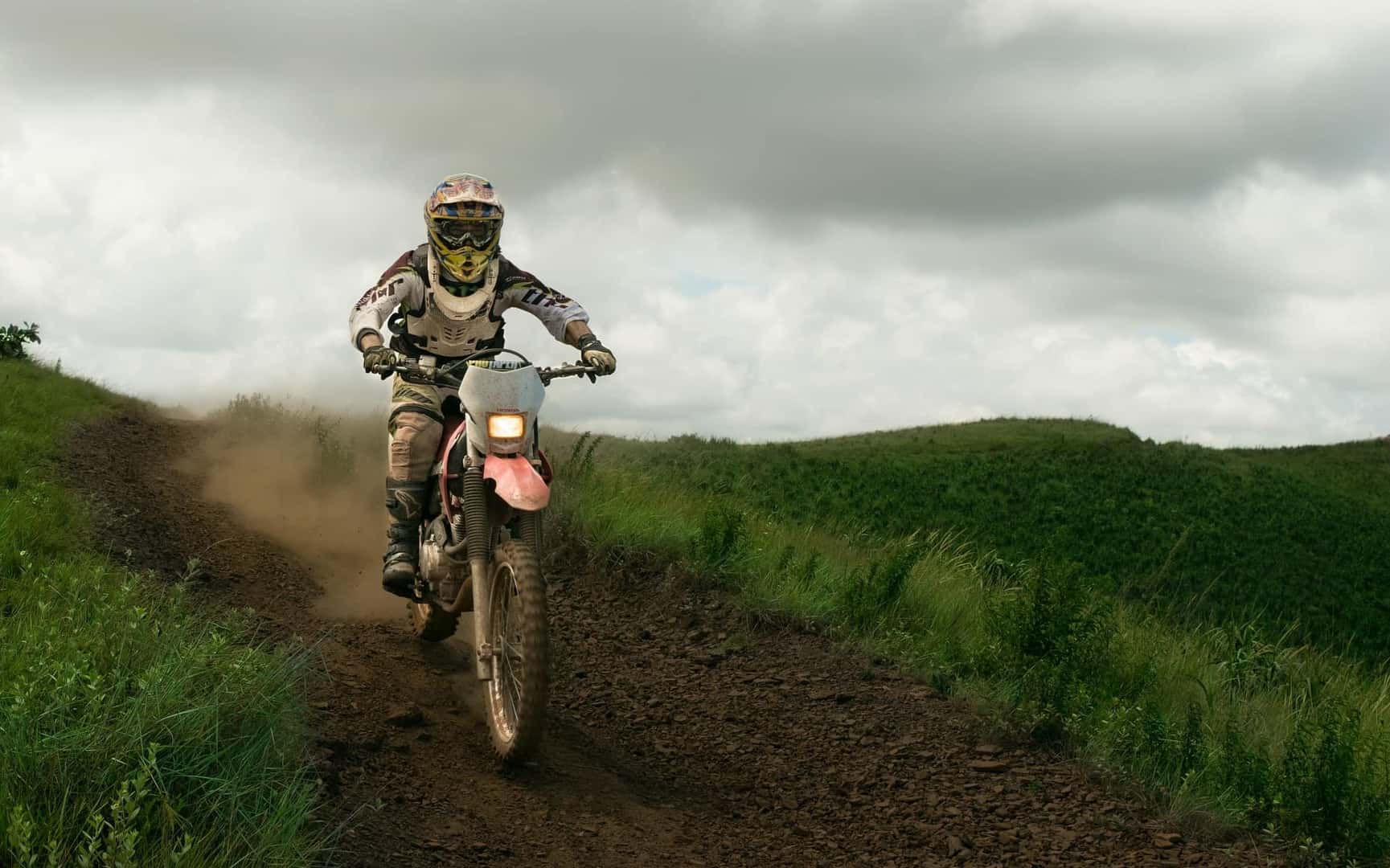
Whether you ride your ATV or dirt bike for a fun or thrilling off-road riding experience, you can’t deny the amazing performance of these off-road vehicles on challenging terrains. While many dirt bike riders take on public dirt trails to show off their trail riding skills, you’ll notice the use of ATVs, mostly on off-road terrains.
Nevertheless, no matter where you’re venturing out on your motor vehicle, there are a few things you need to keep in mind when you take your dirt bike on ATV trails. Although each state, such as Minnesota, Pennsylvania, Montana, Michigan, Connecticut, etc., has its own registration method and requirements for dirt bikes and riders, there are some common points all drivers must follow in the US.
The only thing most important when riding a dirt bike or motorcycle on an ATV trail is that the person must wear protective gear, especially a helmet. Dirt bike riders must also ride according to the laws of the state and should be at least eighteen years old. In this article, we have discussed important points in detail when considering driving your dirt bike on specific ATV trails.
We will also answer questions like, “Are there any speed limits for riding on ATV trails?”, “Is there a restriction for dirt bike riders in public land and state parks?”, “Are there any size restrictions that you must know about?”, etc.
Can You Take Your Dirt Bikes on ATV Trails?
Many adventurous people who are new to dirt bike riding wonder about this since they want to explore more terrains in the US. The short answer to it is, yes. You can take your dirt bike on ATV trails, but you must follow some set regulations. In some states, dirt bikes must be registered, and you need to always wear protective gear while riding off-road.
For people who are new to off-roading, it might be important for them to understand ATV is the short form of All-Terrain Vehicles. These are motor vehicles (quads, dirt bikes, etc.) that can go off-roading and are allowed on public roads, state parks, and private property in certain states. Some US states may also require specific licenses and registration as per the law.
Dirt bikes and motorcycles are considered to be ATV vehicles in the sense that they can be ridden off-road into various terrains. You can ride your dirt bike on a miles-long trail system or venture on private property for recreation with other dirt bike enthusiasts. They can be driven in campground sites, state property, forest roads, state forests, and other spaces, given the state allows access to these off-roading vehicles.
In short, it is legal and safe to drive your dirt bike on ATV trails as long as you are wearing protective gear (goggles, head protection, neck braces, etc.), you are above eighteen years of age, you have the required licenses, and you are complying with all state laws and regulations.
What You Should Keep in Mind When Riding Dirt Bikes on ATV Trails
If you are going to venture on your dirt bike, it is recommended that you pay attention to the rules and regulations of the trail and the safety requirements. A lot of the trail guidelines are similar to riding a dirt bike on the road, such as using designated paths and wearing protective gear.
Some points that you should consider are:
- Keep your dirt bike serviced. Make sure your dirt bike is equipped with the right type of brakes, off-road tires, clutch, muffler, and suspension.
- Always ride in groups of two riders or a single file so you can reduce the risk of collision with one another.
- Use an electric dirt bike instead of a combustion engine dirt bike, and always be aware of your surroundings to prevent any chance of an accident.

How You Can Keep Yourself Safe
Although it might seem like common knowledge, safety is the most important thing to consider when taking your dirt bike on ATV trails. Protective gear is a must to ensure your riding experience is safe and enjoyable regardless of the US state you are in or what your age is.
The helmet is the most crucial protective gear that safeguards the most vital organ, the brain. It will allow you to avoid any concussions and prevent any object from harming your cranium. Even if you accidentally fall off your bike, you can avoid critical injuries and protect yourself if you are wearing a helmet. Therefore, states have made wearing a helmet mandatory to avoid horrible accidents and lawsuits.
Some states require riders to wear more protective gear, such as gloves, long-sleeve shirts, and riding boots, in addition to helmets. Long-sleeve shirts can help you prevent scrapes and bruises and allow you to protect your skin from the harsh sun. Gloves can help you secure a better grasp on the handles and help you avoid getting your knuckles smashed or hurt by debris and branches. Boots are an extra safety precaution to keep you safe from debris, shrubs, and rocks that come up during riding.
It is also important to perform a complete inspection of your dirt bike before riding it. It can help you spot any broken or missing parts of the bike that might pose a risk to you while riding.
Being Wary of Your Surroundings and Preventing Chances of Damage
Aside from your own protection, you must also be aware of your surroundings and prevent damage to the trail you’re riding on. It is important for riders to respect private property boundaries and stay away from closed trails. Since most forest areas have wildlife, you must also be wary of them and avoid disturbing them. Dirt bike riding can get risky, therefore, you need to stay alert for any obstacles on the road like logs, roots, stumps, and rocks. By staying alert, you can not only keep yourself safe but also keep your bike from getting damaged.
Dirt Bike Size Restrictions You Must Know About
Before you ride your dirt bike on ATV trails, you need to research about trail regulations and learn whether your dirt bike or motorcycle is within size limits. By learning about this beforehand, you can safely avoid penalties and ride according to state laws.
If you are considering investing in a dirt bike to ride on an ATV trail, you need to pay attention to the size of the engine and the configuration of the bike. Smaller engines can help your vehicle be more agile and less noisy, while larger engines are more powerful but can be unsuitable for trails with restrictive noise standards.
Research Extensively before Taking Your Dirt Bike on ATV Trails
If you are going off-roading on an ATV trail, you must learn about the trail beforehand to be aware of the terrain and any posted safety zones. This will help you avoid injuries and reduce the risk of harm due to falls and collisions with objects and animals. Researching the area and familiarizing yourself with the surrounding terrain and trails can also help you ensure that you are following all-off-road regulations mindfully.
Avoid Reckless Driving
Each state has different definitions regarding what falls under the category of reckless driving. While some states refer to reckless driving as underage individuals riding dirt bikes, while some can penalize riders who exceed the set speed limits. No matter which US state you reside in, it is highly advisable to follow the recommendations and restrictions set by the law so that you can avoid paying high fines.
Illinois state law describes reckless driving as riding at the speed at which a driver cannot reasonably stop the vehicle while keeping a distance from nearby hikers, riders, objects, animals, vehicles etc. This can endanger not only the wellbeing of the person riding the dirt bike but also other drivers and wildlife in the area. This is a good example of a law that keeps dirt bike riders and others safe by imposing a speed limit for fast-moving vehicles.
Final Words
Riding your dirt bike on an ATV trail is completely legal and safe, given that the state you are driving in allows your motor vehicle access. Although you might feel unsure about taking your dirt bike on an ATV trail for the first time, you can have great fun on the trail if you have friends or other dirt bike enthusiasts accompanying you.
Nevertheless, it is still important to be aware that riding dirt bikes on off-road trails can get highly risky for your well-being and your vehicle’s condition. Therefore, you must follow the precautions mentioned above to ensure you have a thrilling yet safe riding experience. Be sure to research state laws, the trail’s terrain, and requirements for protective gear before you venture out. If you are a professional or experienced dirt bike rider and want to explore off-road trails on your bike, make sure you have permission from the trail owners or land manager and respect closed private property to avoid legal issues.
Since it is always better to be safe than sorry, following the tips and advice above can help you prepare for the journey and have fun without risks.
0 comment(s) so far on Things You Should Know Before Riding Dirt Bikes on ATV Trails