


Snowmobile Safety Tips You Can’t Ignore
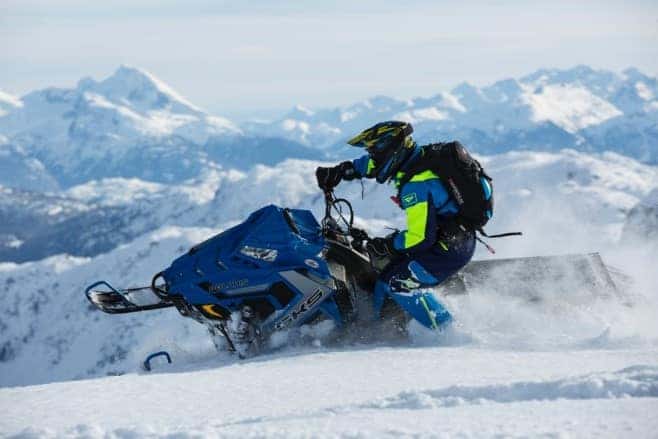
Every winter, hundreds of avid snowmobilers hit the trails. These motorized sleds are a fun way to recreate outdoors and enjoy snowy weather. But since snowmobiles are also heavy-duty vehicles, they should be operated responsibly.
Why is it necessary to be familiar with snowmobile safety procedures? Failure to practice snow safety can result in damage to your machine, severe injury, and even death.
Snowmobile safety is important for anyone who plans to hit the trails soon. Keep reading for a comprehensive list of safety tips. This advice will help you have fun responsibly this winter.
Dress Right
Wearing a helmet and other protective gear is important any time you go out on a snowmobile. Your helmet must be safety-approved and the right size.
Often, people purchase helmets that don’t fit them correctly. If your helmet is too loose, it won’t offer you the protection you need in case of an incident.
Make sure the chin strap fits snugly around your face. Under your helmet, you should also be equipped with a face mask.
In addition to a good helmet, you also need goggles and heavy boots. Wear warm, thick clothing. But stay away from cotton–when cotton gets wet, it will freeze.
You should always dress in layers and choose a waterproof layer on top. This is true even if you only plan to go out for a short time. If something were to happen and you had to stay out for longer, you don’t want to be poorly dressed.
For a comprehensive list of gear and clothing you need for snowmobiling, click here.
File a Plan
“Filing a plan” means letting people know where you are going. You should always tell someone where you plan to go and when you expect to return. And when you get back, let them know.
This is a smart contingency action. Sometimes things go wrong on the trail, and you aren’t able to reach anyone.
Remember that many good snowmobiling locations are not equipped with good cell service or internet connection. This means you may not be able to make a phone call or even access a digital map.
If that happens and you cannot return on time, someone will be aware that something is wrong. They will be able to send out a search team, and they will know where to look.
When you are dealing with snow and freezing temperatures, every hour counts. So, file a plan with a friend and then stick to it.
Go With a Buddy
This is one of the most important safety tips for snowmobiling. Never go snowmobiling alone.
A lot of people think that this is only good advice for beginners. But even accomplished snowmobilers can have accidents. When that happens, you want someone else there to help out.
Additionally, if something happens to someone’s snowmobile, the other person still has a working machine. This gives you more options for getting help and getting home.
When snowmobiling with a buddy or even a group, make sure everyone is on the same page about where you are going and how long you’ll be out. This is important information to agree on beforehand in case someone gets separated from the group.
Maintain Your Machine
Preventative maintenance is a good way to avoid accidents on the trail. Take your snowmobile to be serviced regularly. A professional can help you keep your machine in good shape.
But in addition to professional help, it is a good idea for you to be familiar with your machine. Pay attention to detail so that you know if anything sounds or looks awry.
Read the manual for your snowmobile and keep it close. If possible, you should take it with you on your outings. If something goes wrong, you can possibly diagnose the problem on the trail.
Another good maintenance strategy is to always keep your gas tank full. Never leave for a snowmobiling adventure with a low gas tank.
Every time you set out on a snowmobiling adventure, inspect your machine for abnormalities. Remember to turn your snowmobile on and run it for a full minute before you begin riding. This gives your machine time to warm up.
The last important piece of advice for preventative maintenance is that the more educated you are about your machine, the better. In addition to reading your snowmobile manual, consider taking a snowmobile beginner’s class. Instructors can teach you the basics and answer any questions you might have.
Inevitably, things will happen on your snowmobile that you won’t understand. The more educated you are about your machine, the more equipped you will be to handle these things. Education is one of the best safety measures you can take in outdoor recreation.
Pack Your Kits
There are two kits you want to make sure to take with you when you go out snowmobiling. The first one is a repair kit.
As mentioned in the last section, part of smart maintenance is being familiar with your machine. You won’t be able to fix everything that goes wrong, but having your repair kit handy will make it so that you can fix minor issues that may occur on the trail. This can be the difference between being stranded or not.
The other kit you need to pack is a first aid kit. Having basic medical supplies on hand is a good idea anytime you venture out.
You can buy preassembled first aid kits or pack your own. At the very least, bring bandaids, gauze, disinfectant, and energy/hydration capsules. For a more extensive list, click here.
Stay on the Trails
An important safety tip is to stay on marked trails and designated areas. This helps keep you from getting lost. It also prevents you from venturing into dangerous territory.
Generally, it’s a good idea to stay away from water and ice. Snowmobiling on frozen over lakes or rivers increases your chance of falling through to the waters below.
When travelling on trails, make sure you stay to the right. This is especially smart if there is low visibility on curves for traffic coming from the other direction.
Additionally, staying on the trails is also a good way to respect the wildlife. Trails are in place to minimize the number of plants and animals that are affected by the presence of people.
Check the Weather Report
It’s always a good idea to check the weather report before you go out on a snowmobiling adventure. Many days that start crisp and clear end in snowstorms or other unfavourable conditions. To avoid getting caught in a blizzard, make sure you know what type of weather to anticipate.
Additionally, you should use weather reports to stay aware of how much snow is on the ground. If you go snowmobiling before the snow is thick enough, you run the risk of injury.
A thick blanket of snow creates a smooth surface for snowmobiling. But if only a little snow has fallen, or the snow has begun to melt, rocks and branches can poke through the snow.
These obstructions will be hidden from your view until you hit them. Incidents like this put you at risk for injury or machine damage.
You should also learn the signs of an impending avalanche. Learning how to read the weather can be one of the best snow safety measures you’ll ever take.
Don’t Drink and Ride
Many people use snowmobiling as a chance to hang out with their friends or family. And so there are plenty of folks who want to incorporate alcohol into the agenda. But it is not a good idea to drink and drive a snowmobile.
Alcohol slows your reflexes, and your lowers your overall competency. Operating a snowmobile in a compromised state can be very dangerous.
Remember that a snowmobile is not just a recreational tool. It is a powerful motorized vehicle. This is why beers with your friends must be reserved for after a day of snowmobiling, not during.
It goes without saying that this rule also applies to other mind-altering substances. Drugs and alcohol put not just you but others at risk.
Exercise Regularly
Surprised to see this one on here? Well, the truth is that riding a snowmobile requires a lot of agility and muscle. If you set out for the day and are not used to the rigour of snowmobiling, you could pull a muscle.
Pulling a muscle may not seem like a big deal, but it can be very painful and will likely ruin your excursion. And with proper stretching and light exercise, it is easy to avoid.
Even people in good shape can expect to be sore after a day on snowmobiles, so do yourself a favour and stay ahead of it.
Be Cautious of Speed
It can be really tempting to ramp up the speed on your snowmobile. But letting your speed go unchecked is very dangerous. Remember that regardless of where you are, regional speed limits and laws still apply.
Being cautious about speed is especially important at night. Darkness inhibits your ability to see trail obstructions or other travellers. Going too fast in the dark can lead to collisions or other dangerous accidents.
This is important first-time snowmobile advice, but it is also a good thing to keep in mind any time that you go out for a ride.
Don’t Pull or Tow Anything
A lot of people who like snowmobiling also enjoy other snow sports. These include sledding, saucering, and skiing.
But unlike some water sports, it is important to remember that snowmobiles are not designed to pull or tow anything. This can allude to gear or cargo transport, but it can also allude to human passengers.
Attaching a rope to a snowmobile and towing people behind it can lead to severe injury or even death.
No Small Children
For their safety, no small children should be allowed on a snowmobile. Even with adult supervision, bringing a child with you on a snowmobile can be hazardous and risky.
Additionally, no one under the age of the legal limit should be allowed to operate a snowmobile. Proper age restrictions may vary based on location. But it is very important to follow the laws of your region, put in place to ensure your safety.
Remember that you are responsible for any minors that do go snowmobiling with you. Ensure that they are wearing proper gear and protective equipment.
Learn Hand Signals
Similar to bicyclists, snowmobiles use hand signals to communicate with other travellers. For example, an extended left arm indicates a left turn. A left-arm held at a ninety-degree angle with your fingertips pointing upward indicates a right turn.
A left-arm extended towards the sky indicates an impending stop. But these are not the only hand signals you should know. There are others that communicate the presence of sleds or changes in speed.
Make sure you are familiar with all of these signals prior to embarking on your first snowmobile adventure.
Learning these hand signals is a way to ensure that your movement can be communicated efficiently to other travellers. If cars and other snowmobiles cannot anticipate your next move, dangerous accidents can occur.
Snowmobile Safety Is a Priority
In all snow sports, there are two main priorities: fun and safety. By following these snowmobile safety tips, you can achieve both of these things.
Now that you know how to be safe while snowmobiling, you’re probably feeling eager to hit the trails. Keep reading for some insights into the best locations and destinations for snowmobiling in North America.
0 comment(s) so far on Snowmobile Safety Tips You Can’t Ignore