


Reasons to Get a Boat with an Inboard Motor
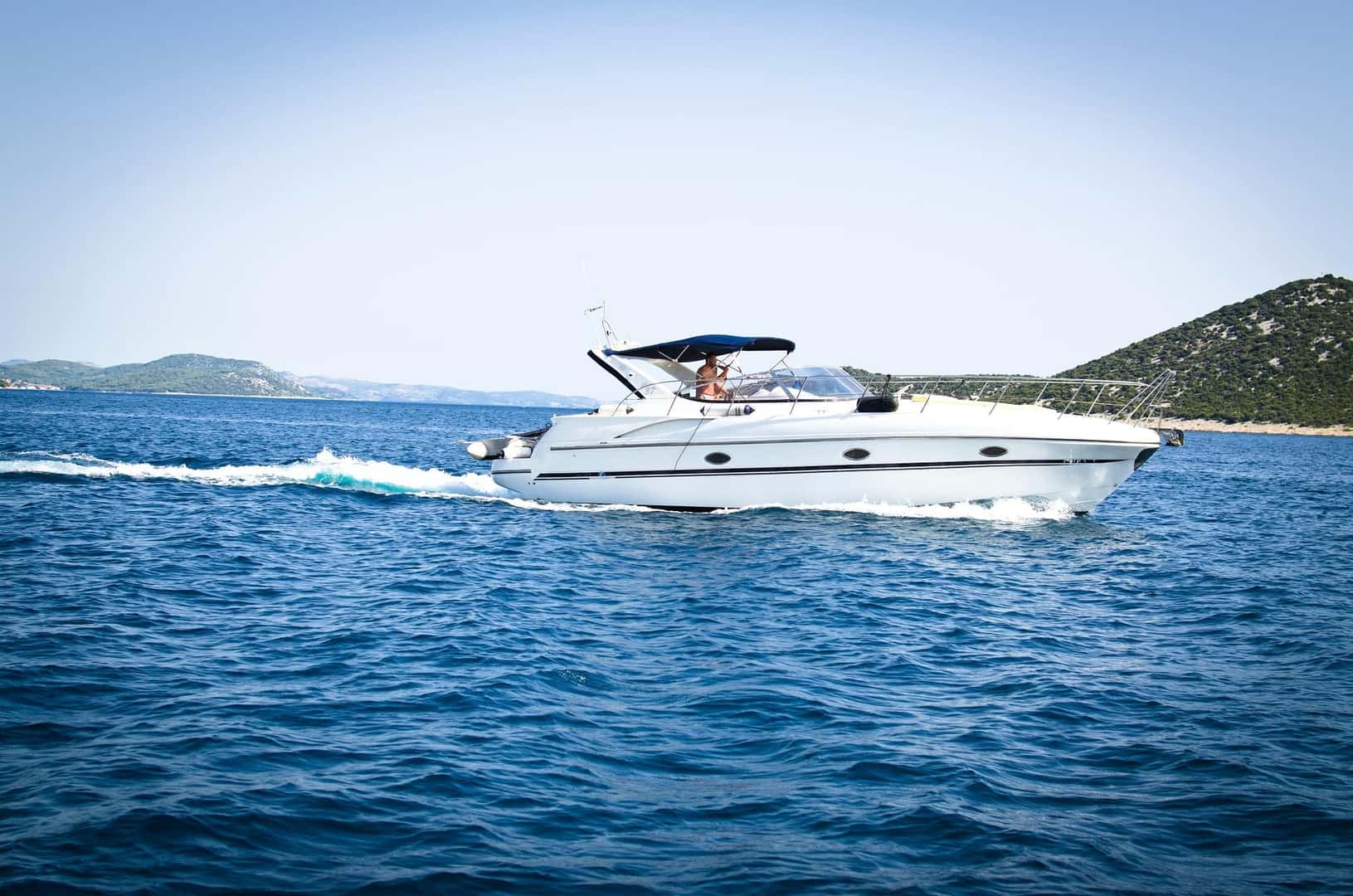
Inboard Boat Motors: Why They’re Worth the Investment
Whether you wish to buy a boat of your own or your boat has seen better days, consider a replacement or new boat with an inboard motor. The four-stroke automotive engine can take your boating experience to the next level.
What is an Inboard Motor?
An inboard boat motor is an engine that is mounted in the middle of the hull or before the transom. The outdrive of the engine carries power from the engine and turns a drive shaft that goes below the hull and is connected to the propeller. This engine powers a drive shaft that is connected to the propeller. The faster you make it spin, the faster your boat will go.
A ‘true’ inboard engine is located at the back or bottom of the boat or the bottom of the hull with only the propeller sticking out. In this case, the boat is steered via a separate rudder since the propeller is fixed.
How it Works
An inboard engine works as a standard car engine does. It powers up the propeller that pushes a boat forward in the water. A gas engine works on combustion – a spark ignites the fuel in the cylinders, creating a small explosion pushing a piston down. This is attached to a crankshaft which then turns. A number of pistons are pushed down during this process, making the drive shaft spin.
The engine cannot push a boat forward unless it has something to push against. The propellers that are attached to the bottom do this so that when the engine is turned on, it powers the transmission via a shaft that connects to the propeller and thus powers it up to spin. The speed is dependent on the speed of the drive shaft. The faster it turns, the faster your vessel moves in the water.
Top Benefits of Inboard Motors
Here are just some of the top reasons why you should consider getting an inboard motor for your pleasure craft or any boat:
1. These are always installed inside the boat, and there are several types you can look into
2. They have a high fuel efficiency compared to outboard motors
3. If maintained properly, these engines can give you over 6,000 hours of support on the water
4. Since it is located in the center of a vessel, the engine stabilizes drifting boats by centering them
5. Ideal for fishing boats since they open up space in the transom
6. Much quieter and fuel-efficient compared to outboard motors
7. These are also quite similar to car engines
8. Last longer than their outboard counterparts
9. Benefits boat aesthetics. You can maintain an open swim platform at the rear of the boat for passengers/customers. Fishing boats can also benefit from this
10. Your boat will feel like a car when you are driving it
What Vessels Contain Inboard Motors?
You will normally see these motors on ski boats, cruisers, bowriders, and other large boats. Most owners prefer these engines since they don’t take up space – so they can accommodate passengers easily.
But while any type of boat can have this engine, you rarely find them on pontoons and bass boats.
Types of Inboard Engines
Different inboard engines perform in distinct ways. If you are in the market for an electric inboard engine for your boat, you will have the following types of engines to look forward to:
D-Drive Inboard Engines
This type of electric inboard engine configuration is quite convenient, which is why they are common in several different propulsion systems. In this setup, the engine faces aft and emerges from the bottom of the vessel. It is connected to the drive shaft, a rod with a propeller at the end that moves the boat forward. These types of engines reduce strain on the vessel, which also makes them incredibly reliable. The only issue with these engines is that they may have to be installed forward, which can reduce space.
V-Drive Inboard Engines
The V-Drive electric inboard engine is aptly named. The engine faces forward and boasts a transmission that creates a V shape as it takes the drive shaft to the stern of the vessel. The setup is quite similar to the aforementioned electric inboard engine since it also has a shaft that has a propeller attached to it. However, unlike the D-Drive, this engine opens up more space in the front of the boat so you can add seats.
Diesel Inboard Engines
Electric inboard engines that are diesel-powered depend on compression. These are similar to standard gas engines since they have pistons and crankshafts, but the setup is more complex in comparison. The engine is available in different sizes and horsepower, but they are mostly installed in large boats (35 feet or larger). The weight is too substantial for a small boat *such as a fishing boat) to handle. The torque they generate is sufficient to propel large vessels forward.
Electric inboard engines that are powered by diesel last for years with regular upkeep and do not fill the cabin with carbon monoxide. If it is maintained regularly, running costs will remain low as it runs at a lower RPM than standard gas engines. The fuel isn’t volatile, either, and its fuel economy is pretty good as well.
Gas Inboard Engines
Gas inboard engines are electric engines with impressive horsepower (between 90 and 1000) and are suitable for sports boats and cruisers. In this configuration, the engine is located amidship, and the rudder is installed separately for steering control purposes. Plus, the drive is connected to the propeller from the bottom of the vessel, and transmission takes power from the engine to the propeller, making it turn.
These types of electric inboard engines have sufficient power for towing water sports such as wakeboarding and water-skiing. The propeller can be moved out of the way, creating a platform so that passengers can get into the water easily and get out without trouble. The drive system is user-friendly and intuitive, reducing maintenance requirements and running costs.
What You Need To Know Before Purchasing an Inboard Engine
If you are convinced that you want an inboard boat engine for your vessel, keep these things in mind before purchasing:
The Cost
While electric inboard engines are a bit more expensive than outboard engines, they end up paying for themselves in the long run. Their unique position in your boat will open up space for passengers and a swim platform, making your vessel stand out.
The Size and Weight
Inboard engines are substantially larger and heavier than other boat engines. So make sure you have sufficient storage space and can transport this electric motor easily.
Maintenance Requirements
Electric inboard engines are installed in the bilge, which is prone to high moisture levels and steam, which can damage it in time unless you maintain it regularly.
Fuel Economy
Inboard engines perform better than outboard ones since they offer better performance when it comes to propulsion and the fuel it consumes. The engine will move a vessel forward easily, even through tough conditions, something which outboard motors may not be able to do as efficiently.
Aesthetics
Since inboard motors and their propulsion system are out of sight on a boat, these give vessels a streamlined and neat look that customers and passengers appreciate. Add the fact that it opens up space for a substantial swim platform and seating area, and you can have a completely booked event calendar.
What are the benefits of using an inboard boat motor?
Using an inboard boat motor offers several benefits. It provides better weight distribution, improves maneuverability, enhances fuel efficiency, reduces noise and vibration, and allows for easier maintenance and repairs. Additionally, it offers a smoother ride and increased safety compared to outboard motors.
Final Words
If you are searching for the best electric inboard motors for your particular boat and are confused about your options, check out Westshore Marine & Leisure. We have a range of solutions that can meet your needs.
0 comment(s) so far on Reasons to Get a Boat with an Inboard Motor