


How to Prep Cargo Trailers Correctly
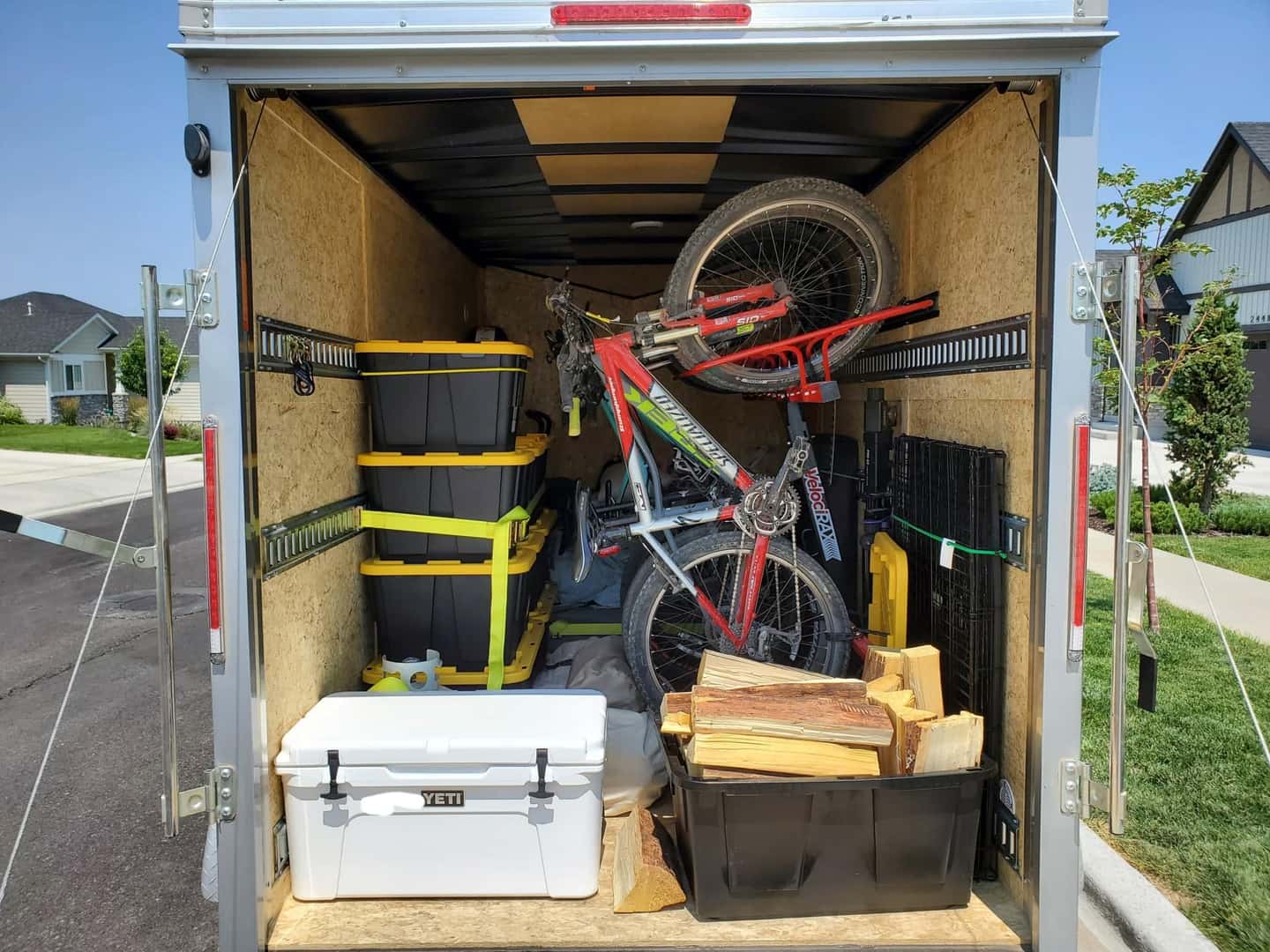
Towing isn’t an easy task. Whether you’re hauling goods or a camping trailer, prepping is essential. And if you don’t even have the basic know-how of hitching and unhitching a trailer from the tow vehicle, you can run into some serious accidents.
Missing even one step can lead to compromised safety. That’s why it is important to understand each step in detail. Read on to learn how to prep cargo trailers correctly.
12 Steps to Prepping Cargo Trailers
While the proper loading practices vary depending on the type of cargo, the general steps remain the same, which will be discussed below. If you follow the basic guidelines, you’ll be able to tow anything from overall-weight trailers to camping trailers.
That being said, let’s look at the 12 steps involved in the prepping process:
Step 1: Park on a Surface Level
The first step to learning how to prep your cargo trailers correctly is to ensure the trailer is on the surface level. If the trailer is parked on an uneven surface, it will tip and might even shift from its position once you start loading the cargo.
Besides parking the trailer on the ground level, make sure there’s enough room for it to be hitched onto the vehicle.
Step 2: Check the Tires Before Loading
Many drivers are careful when checking the tires of the tow vehicle. However, when checking tires, don’t forget to inspect the trailer tires. These are forgotten most of the time, which is a huge mistake.
Besides checking for tire pressure, inspect the tires for any signs of rotting and cracking. If the trailer was stored out in the open and hasn’t been used for quite some time, the tires may have become worn out. In this case, you might have to replace them before you get started on your towing journey.
Other than that, ensure that the lug nuts on the trailer and tow vehicle wheels are tightened as per the torque specified in the vehicle’s manual.
Step 3: Keep the Wheels Chocked
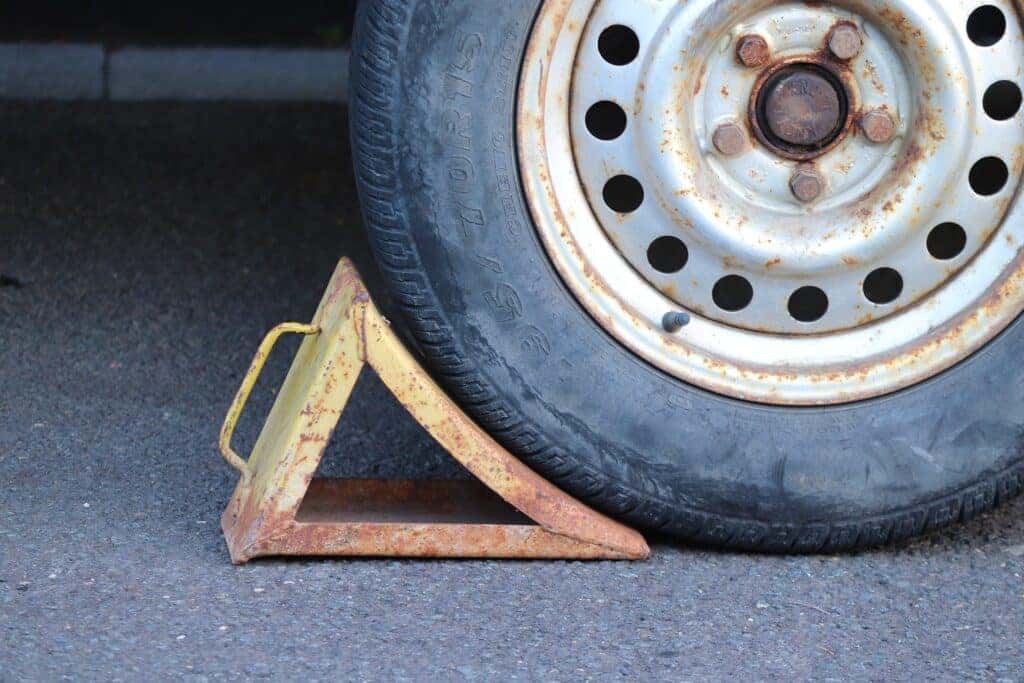
Whether you’re loading the trailer or unhooking it from the tow vehicle, it is important to use wheel chocks. These wedge-shaped blocks are placed behind and at the front of the tires. Doing so prevents the trailer from shifting when the overall trailer weight is increased with cargo. Plus, it also stops it from rolling away upon detachment from the tow vehicle.
If you hitch the trailer with the vehicle before loading, ensure that the vehicle is in park mode with the emergency brake engaged. Consequently, your trailer will remain stable during the loading process.
Step 4: Always Follow the 60/40 Rule
When loading cargo into the trailer, it doesn’t matter which type of trailer you’re dealing with. The important thing to remember is that you should always follow the 60/40 rule for weight distribution.
As per this rule, 60% of the weight of your cargo should be placed at the front of the trailer axle. The remaining 40% of the weight can go to the back. Doing so ensures optimal tongue weight distribution, which helps eliminate the trailer sway.
Step 5: Start with the Heavy Loads

Now you know the 60/40 rule for loading your cargo. But there is another important factor to take into consideration. Before loading, go through all the items and add the heaviest and largest items into the cargo first.
Pick a spot that is a little forward of the axle to place the heaviest load. The lighter items can be placed around the heavy loads, leading to even weight distribution throughout. Once the loading is complete, make sure all the items are strapped into place using ropes or chains. Be thorough in this step so the items don’t get loose when on the road.
Step 6: Make Sure the Vehicle Maintenance is Up to Date
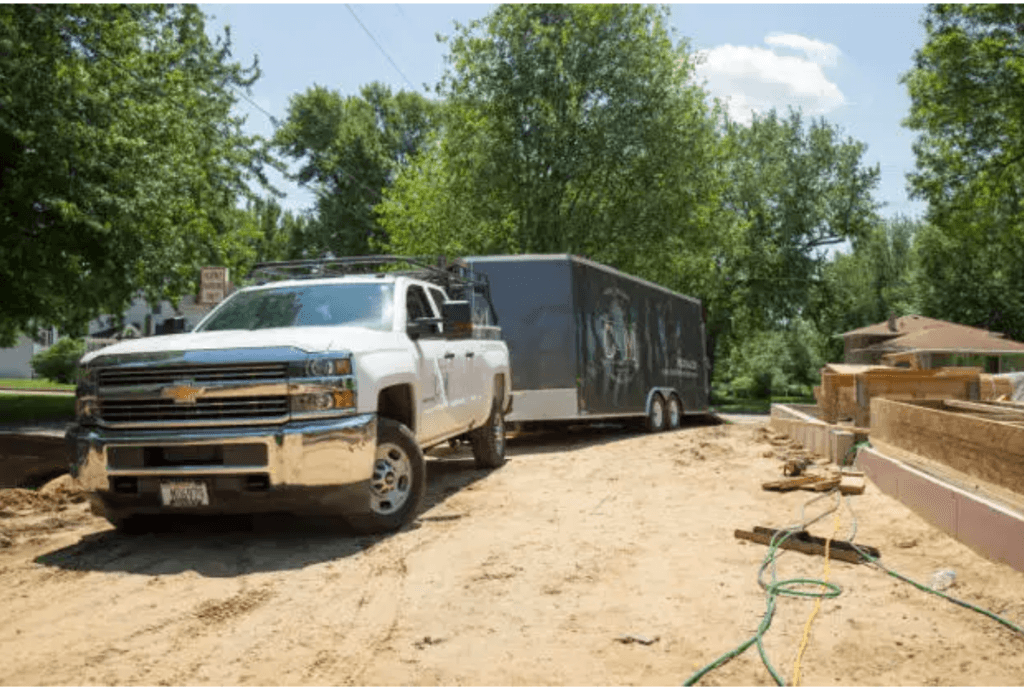
Regular maintenance of the tow vehicle is essential, especially when it is constantly on the road. Towing adds excessive strain on the vehicle, so scheduled maintenance is even more important. Make a checklist of the things that should be maintained right before your next towing trip. Here are some things to look for:
- Oil and filter change
- Life of the brake pads
- Levels of engine coolant in the reservoir
- Transmission fluid
- Trailer braking system (if applicable)
- Greasing of the wheel bearings
Step 7: Choose the Correct Size of the Hitch Ball
The size of the hitch ball and the coupler on the trailer should be the same. If the size is incorrect, it can lead to a serious accident. Typically, you can find hitch balls in three different sizes, including:
- 1⅞ inches
- 2 inches
- 2 5⁄16 inches
Be sure to check for the correct size to avoid any unfortunate occurrences.
Step 8: Keep a Spare Tire
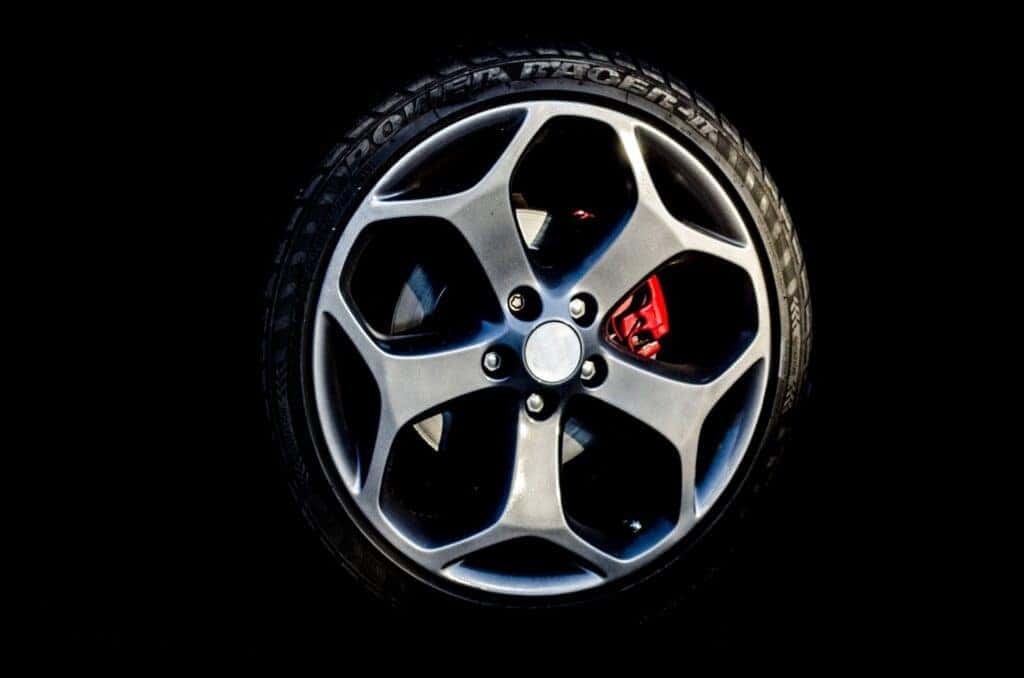
Despite ensuring your tires are in working condition, you might still encounter a flat tire along the way. In this case, the last thing you want is to get stuck on the road. To avoid unnecessary hassle and delays, make sure you always have at least one spare tire at hand. Besides the tire, keep a jack and lug nut wrench that works on your trailer’s wheels.
Step 9: Don’t Forget to Use Safety Chains
Make sure your trailer is hooked up to the hitch with safety chains. But instead of running the chains straight, make sure they are crossed.
Doing so ensures that the trailer doesn’t dig into the pavement. Instead, the tongue of the trailer falls into a cradle formed by the crossed safety chain. Keep the chains a little slacked so that making turns is easier. However, it should not be too much, or it can cause drag.
Step 10: Connect the Trailer’s Light to the Tow Vehicle
Before you begin your towing journey, be sure that the electrical wiring system of your trailer is safely connected to the tow vehicle. Moreover, the wires should be left a little loose so they do not come off when making turns.
Besides that, make sure the trailer’s brake lights, turn lights, hazard lights, and turn indicators are all functioning properly in line with the tow vehicle.
Step 11: Get Tow Mirrors
Often the trailers are much wider than the tow vehicles. In this case, you might want to get tow mirrors to enhance rear visibility, allowing you to see the trailer’s blind spots. The wider the mirror is, the better it is for you.
Step 12: Opt for a Larger Fuel Tank
More fuel gets used up when you’re on the road with a trailer. That’s why having a larger fuel tank is a wise choice. And stopping at gas stations isn’t always convenient when you’re hauling a loaded trailer along.
The Bottom Line
Now you know how to prep cargo trailers correctly. While there are 12 steps involved in the prepping process, each one holds equal importance.
You must first park your trailer on a surface level, followed by a thorough tire inspection. Make sure the tires of both the tow vehicle and trailer are in good condition. And don’t forget to chock the wheels when unhitching or loading the trailer with cargo. Always use the 60/40 rule with heavier loads at the front and lighter ones at the back.
Vehicle and trailer maintenance are also essential factors to consider, and having spare tires is also a must. Make sure not to skip any step to avoid any unfortunate accidents.
Ready to start your first towing experience? Westshore Marine offers a wide range of rental trailers, including car trailers, dump trailers, cargo trailers, and more. Reach out to us today to get yours now. Send us your queries by filling out an easy online contact form or calling us for more details.
0 comment(s) so far on How to Prep Cargo Trailers Correctly