


How to Choose the Right Pontoon Boat
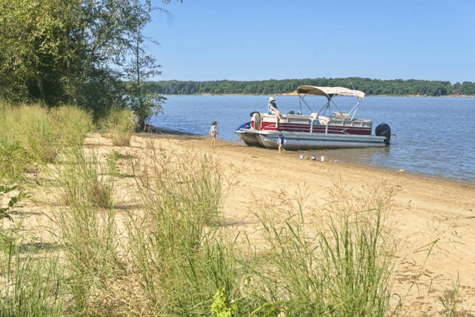
A pontoon offers options that new and veteran boat owners can appreciate. Whether you love to fish solo or take your family out on the water on weekends, this boat can meet your needs. No two pontoons are alike. That’s because these can be customized in terms of power, amenities, and performance. You can get the vessel of your dreams, provided you choose features that meet your lifestyle.
How to Choose the Right Pontoon Boat
Each pontoon boat is unique. Here are some factors you should consider to ensure your boat can meet your needs.
Check Out Floor Plans
A pontoon’s floor plan includes the complete layout of the helm, seats, and other options that can accommodate passengers. The base layout should include a spacious center ringed by wraparound seating interrupted by a helm on one side. The entry point is on the opposite side.
Most manufacturers offer different floor plans that can meet diverse requirements. So a plan can include swivel seats, a sun seat, and even a small refrigerator. The options are meant to provide boat owners with a vessel that can suit their boating lifestyle. These include:
Fishing
If you plan on using your pontoon for fishing, consider a model that can make this hobby enjoyable. Choose a cruising or fishing model if you plan to fish on most weekends. However, if you want to fish occasionally (like two to three times a month), stick with a model designed specifically for cruising.
Water sports
If you plan on using the pontoon to indulge in water sports and pull water toys such as wakeboards, skis, and tubes, make sure the vessel has at least 90 horsepower. Less than that, and the line will not grow taut enough to get the speed you need.
Swimming and sunbathing
A pontoon with a spacious sun lounger or swim decks is excellent for anyone who wants to swim and sunbathe out on their favorite lake. You can also get additional options such as ladders and slides to make your outings memorable.
Besides the options mentioned above, you can add others such as sinks, changing rooms, seating-cum-beds, and even grills.
Determine the Size You Need
Your recreational requirements should determine the size you should consider. Pontoons can range from as small as 15 feet to 30 feet long vessels per customer needs. Here are some factors that can help you choose the perfect size:
Towing and storage needs
Make sure you choose a size that can fit where you will store your boat. The last thing you need is an expensive pontoon that is too large for a dock or to fit in a trailer. Check the towing capacity of the latter for transport.
To do that, add the boat’s weight and the trailer’s weight. The combined weight should be within your trailer’s towing capacity. The pontoon should be able to fit completely.
To determine docking size, measure the dock before you purchase the pontoon. When you are measuring the vessel, include the outboard motor as well. This will be two to three feet long tops.
Capacity
Before you purchase a pontoon, determine the number of people that will be in it. If you plan on taking one to five people, a 15-foot-long vessel will be sufficient. For six to ten people, on the other hand, consider a boat that is 16 to 21 feet at most. If you want to arrange a party on the boat with an even bigger crowd, go bigger with a 21 to 28 feet long vessel.
Location
The condition of the water should also be taken into consideration. If you plan on driving your pontoon over calm bodies of water, such as a lake, get a small pontoon. These can navigate smoothly over shallow water. A 17 to 22 feet long vessel is ideal for deeper water. For oceans or bodies of water with significant wave action, get a 23 to 28 feet model. These can withstand large waves reasonably well and will not tip over.
Important note: Make sure that you check the boat safety regulations and size restrictions for pontoons according to your local area.
Pontoon Purchasing Guide for First-Timers
Before you purchase the pontoon you have your eye on, make sure:
It has an NMMA Certification
Check if the pontoon has a National Marine Manufacturer’s Association (NMMA) certification. It should have the official sticker. If it does, the pontoon has been designed and constructed per national standards and guidelines. Pontoons that have this certification are made from materials approved by the US Coast Guard and boast American Yacht and Boat Council (ABYC) specifications.
To take it for a test drive
Make sure you take the boat out for a test drive on the water before taking it home. You can also get one for a pre-loved vessel, but you may have to get in line. The test drive will give you a good idea of how well it handles on water.
To do a walkaround check
Walk around the pontoon boat and do a visual check. Pay special attention to the boat’s tubes and logs and ask yourself the following questions:
- Are the tubes straight?
- Does light reflect along the tubes evenly? If it does, that means the sections were welded carefully.
- Are the logs made from medium-grade aluminum? Ask the supplier this question if you plan on driving the pontoon over salt water.
- Are there any dings, dents, scratches, or other damages? Also, check for signs of recent maintenance.
To check the helm station
Get into the vessel’s helm station (driver’s seat) and make sure it is comfortable. It should have everything you need to operate the boat safely. All controls should also be within easy reach and should not stick. Some of the gauges that should be present in the helm station include the following:
- Voltmeter.
- Water temperature.
- Tachometer.
- Trim and tilt.
- Water pressure.
These should be in excellent working condition in a brand new pontoon.
Additional Questions You Should Ask the Dealer
If you know someone who has experience driving pontoons, bring them with you to the dealership. If you don’t have someone like that, ask the seller the following questions:
- How old is the boat/what’s the manufacturing date of the boat?
- How many hours are on the engine (if it is a pre-loved boat)?
- How long is the warranty for?
- How much does the pontoon weigh? This includes dry weight and passengers.
- What is the maximum passenger limit? The pontoon should have a capacity plate that shows those numbers.
- Have the pontoons been treated?
- What is the boat’s resale value, and what is the depreciation like?
- What extra features will the seller throw in?
- What kind of flooring options do you have?
- How can I winterize my pontoon?
- How much will the maintenance costs be?
- What is the best outboard motor for my pontoon model?
And other queries you can look up online.
Important Factory Options
If you have never bought a pontoon before, you may be overwhelmed with the sheer number of options available. Some of these include:
- Decals and color.
- Interior and deck layouts.
- Furniture and carpeting.
- Engine size and horsepower.
- Wakeboard towers or tubing.
Among others. Make sure you have a general idea about each before heading to the dealership. Otherwise, you may end up paying for more than you need. You can also add extra options later if you feel the need to. That is part of the fun of owning a customizable boat such as a pontoon.
A pontoon should be an investment. Use this pontoon guide to make an informed decision and save money.
If you are in the market for a new or used pontoon and are unsure which options you should choose, we can help you narrow down your choice at Westshore Marine & Leisure. We are a family-operated and owned business that takes pride in knowing we give our customers boats that can meet their performance and recreational needs.
A pontoon should be an investment. Use this pontoon guide to make an informed decision and save money. The last thing you want is a boat that doesn’t make you crave the open water.
0 comment(s) so far on How to Choose the Right Pontoon Boat