


How Do Electric Bikes Work?
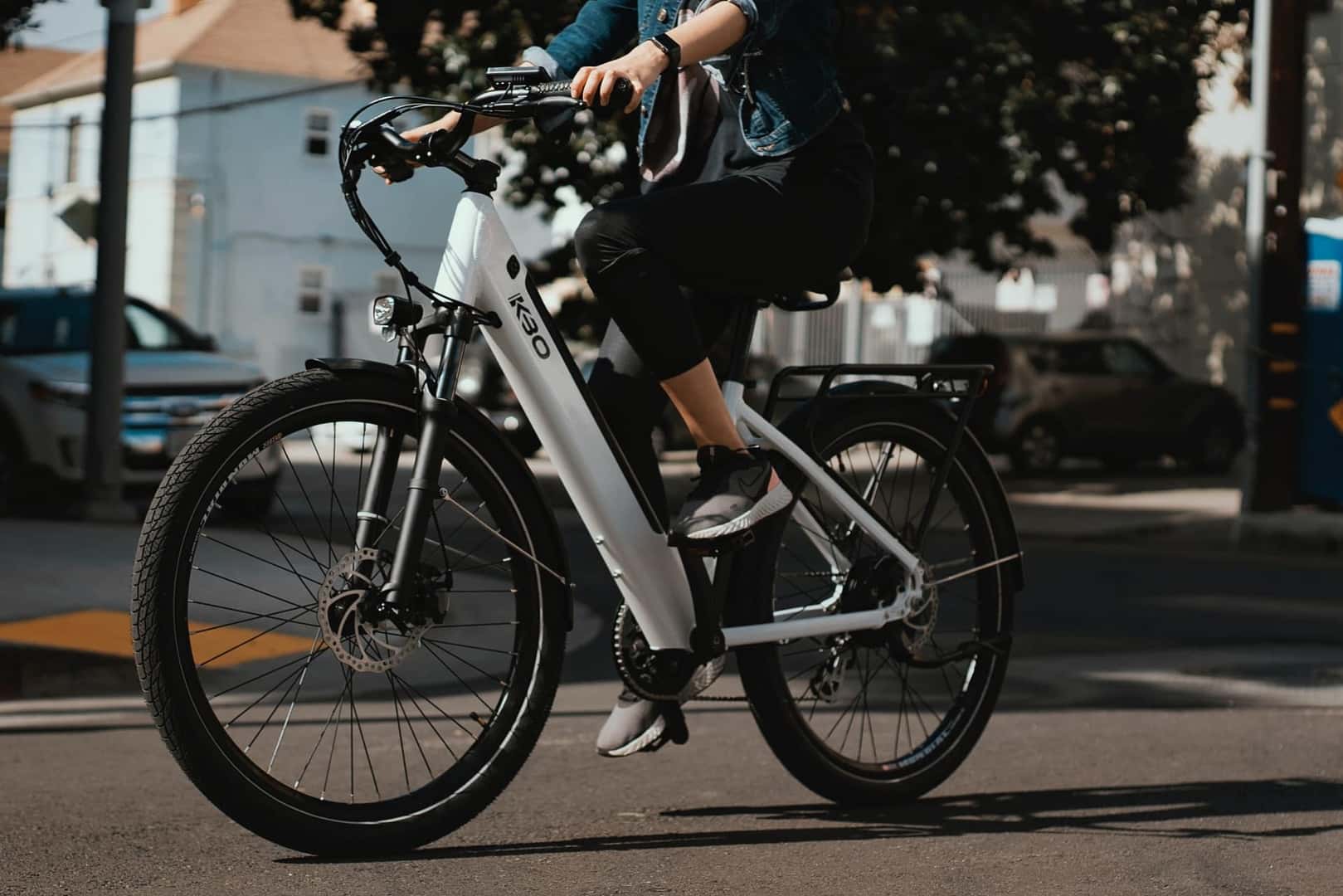
The use of electric bikes for both transportation and recreation has significantly increased over the last few years. Although these bicycles solve many issues that are inherent to conventional bicycles, such as the cyclists becoming fatigued too quickly, they still pose a few challenges. For instance, potential buyers must understand the various electric component terms in order to make the best e-bike choice.
Before getting your own electric bike, you must understand more about how it works and that is exactly what this guide will help you with. Other than that, we will cover the various benefits of an e-bike and the considerations to be mindful of before purchasing one.
How Does An Electric Bike Work?
Electric bikes have a motor that helps the pedals move. This makes riding the bike easier. Some designs let the bike move forward on its own with the help of the motor, while others need you to pedal to move forward.
Don’t think that electric bikes are the same as motorcycles. A gasoline-powered engine will last longer than an electric motor and battery. However, electric bikes are better for the environment. This is because these bikes do not produce fumes. Other than that, e-bikes also improve your health by encouraging you to engage your muscles. As a result, your lungs and heart will get stronger.
You might think that because electric bikes have a motor, they can go as fast as they want. However, they do have a speed ceiling. Low-speed electric bikes have been defined by the Consumer Product Safety Act of 2022. For this reason, there is a limit on how fast you can go with the motor helping you. Depending on the type of bike you have, the speed limit may range from 20 mph to 28 mph.
E-bikes can be divided in three classes, depending on speed limits:
Class 1: The rider of one of these bikes can go up to 20 mph while getting help from the bike.
Class 2: The bikes in this class can use a motor to take the speed up to 20 mph.
Class 3: This class of bikes provides motor assistance for up to 28 mph.
The Components of an Electric Bike:
An e-bike has three main components that distinguish it from a regular bike.
1) The Battery
The motor is run by the battery. Wattage, voltage, and amp-hours are the numbers that show how much power the battery can make and the amount of time it will last. Batteries are generally placed low and in the middle of the bike. This is so that these heavy parts of the bike do not affect your balance.
Since they replaced lead-acid with lithium cores, bike batteries have become smaller and more powerful. However, they can still add a considerable amount of weight to an e-bike.
2) The Sensor
To prevent electric motorcycles from travelling too quickly, sensors monitor the rider’s speed. These sensors then advise the motor to activate or deactivate the pedal assist or throttle.
Speed or torque can be measured by the sensors. However, both act pretty much the same way. The speed sensor keeps an eye on how fast you’re going. A torque sensor, on the other hand, keeps track of the pedaling intensity – this is because, the harder you pedaling, the faster you are going.
3) The Motor
Electric bikes have a motor that helps you move faster. You can utilize the throttle to assist your pedaling should you get tired while riding an e-bike. As you cycle, the bike’s assistive features will kick in so you can put in less effort.
However, the pedal-assist feature turns off whenever you stop pedaling or surpass the bike’s maximum speed.
Bikes with hub motors in the rear wheel are propelled via the wheel’s gearing system. Because of the motor’s proximity to the gearing, traction and handling are enhanced in this configuration. Rear hub motors are used on mid-tier e-bikes because they provide superior handling.
Exclusive and pricey electric bikes generally have motors integrated into the frame, located low and in the center of the bike. Since the motor is in a secure location, you can easily change tires and the bike will remain upright as you do so.
Understanding E-Bike Wattage
One measure of an e-bike’s battery strength is its wattage. The wattage, along with the voltage and amp hours, gives you a sense of the possible speed and overall performance of a bike.
By learning the relationship between watt-hours and wattage, you can figure out the amount of time that a bike can function without needing a recharge.
What Exactly is Wattage?
The wattage of an electric motor is its measured power output. The motor’s power ratings will include both its peak and its nominal wattage ratings. The ideal computed value and usual operating capabilities of the motor are measured by these ratings.
Manufacturers usually provide a nominal wattage rating for motors to give customers an indication of how much power they may expect to receive. The nominal wattage is approximately 75% of the maximum operating power when operating at peak power. This number is generally listed next to motor power, and is based on actual use.
Your e-maximum bike’s speed and range, as well as how long its motor can run before needing a recharge, are both determined by the watt-hours of its battery.
The Importance of Wattage in E-Bikes
You can calculate how many watt-hours your bike’s motor uses through its wattage. A more powerful motor requires a more robust battery to handle the additional power.
The number of watts is equal to the product of the motor controller amps and the battery voltage. For instance, an e-bike with a 50-volt battery and a 15-amp controller will produce a peak wattage of(50 x 15) = 750 watts.
The nominal wattage would be 75% of this value.
So, 750 x 0.75 = 562.5 watts.
Using the battery’s voltage and amp-hour capacity, you can calculate the watt-hour capacity. For example, a 50-volt battery with 10 amp-hours will deliver (50 x 10) = 500 watt-hours of power.
By dividing the watt-hours by the motor’s nominal wattage, you can determine the maximum amount of time your bike’s battery will last while in use.
500 / 562.5 = 0.889 hours.
By multiplying this value by 60, you can convert it from hours into minutes.
0.889 x 60 = 53.34 minutes.
This figure is representative of constantly riding at maximum speed. By cycling more and utilizing the engine less frequently, you can extend the battery life. Battery life and riding range is also affected by numerous other factors. These include” total cargo, average speed, and tire pressure. In a perfect world, e-bikes would serve to enhance, rather than replace, one’s inherent cycling prowess.
Benefits of E-Bikes
1) Enhanced Physical Health
People sometimes think that riding an electric bike isn’t exercise because it requires less effort from the rider. However, that is far from true.
As per a University of Birmingham study, e-bikers get almost as much exercise as mountain bikers do without feeling like they have undergone a strenuous workout.
Even with pedal aid, riders must still pedal, which leads to calorie expenditure. All in all, e-biking is an excellent cardio workout that helps with stamina and muscular development.
2) Enhanced Mental Health
When it comes to getting in shape, e-bikes are the way to go because they provide nearly the same benefits with a fraction of the effort required by the rider. Those who might normally lead a sedentary lifestyle can benefit from getting out into nature and exercising by riding an e-bike.
The benefits of exercise, a new environment, and some fresh air include an uplifted disposition, decreased stress, a more peaceful night’s sleep, and enhanced efficiency the following day.
3) Safer and Faster than Regular Bikes
A normal cyclist might manage 10–12 miles per hour, whereas an e-bike can easily reach 20 miles per hour. Thus, e-bikes help you reach your destination quicker than a conventional bike.
Also, despite popular belief, electric bikes do not pose a greater risk to riders than traditional bicycles. It is just that the risks involved are different. Since you can speed up on an e-bike to get out of the way of oncoming traffic and move at higher speeds to keep up with it, they are generally safer than traditional bicycles.
4) Lower Expense
Using e-bikes instead of motor vehicles can save you money in the long-run. Gasoline and diesel are expensive worldwide, and even temporary price spikes can have a significant effect on your finances.
With e-bikes, however, you can purchase affordable batteries which, once fully charged, can offer you anywhere between 15 to 50 miles of range, depending upon your required assistance level.
5) Nature-Friendly
We all need to do our share to combat global warming and climate change. It’s possible this is our final chance to save a planet that’s on its last legs, and everyone has a part to play.
E-bikes produce less pollution per mile than conventional bicycles and automobiles. To make a difference, consider trading in your gas or diesel car for an electric bike. They typically consume 100–150 watts of power, whereas a car uses around 15,000 watts. Consequently, e-bikes can play a key role in improving air quality.
6) Easier Storage
Many electric bikes are foldable and can be disassembled into compact packages. This makes them significantly easier to store for people who are short on storage space.
Even a non-folding e-bike will be much easier to park than a car, especially if you do not have access to off-street parking.
Factors to Consider When Buying an E-Bike
1) The Model
Your electric bike’s features will vary based on the model you choose. Choose an electric bike that works for your needs and preferences. To maximize comfort, search for a model with padded seats. Many e-bikes on the market offer high handlebars and comfortable seating.
Extras like anti-theft technology and storage compartments are available on some versions. You can always consult a salesperson for advice on which model will best suit your needs. If you tell them what you need the car for, they can point you in the right direction.
2) Battery Power and Size
All electric bicycles use lithium-ion batteries, albeit different variants. The technology is identical to that seen in modern electric cars. In addition to being lightweight and fast to charge, they also have a low overall weight.
The bike battery can be installed in a few different places. The battery is often fastened to the down tube, making it simple to install and remove. In certain cases, like on the first Lime rental bikes, it is mounted on the top of the rear rack.
Oftentimes, the battery is housed in the seat post or downtube of higher-end models. This results in a more polished product, but not without cost.
When choosing a battery, it’s better to obtain the biggest and best that your budget permits. Your bike’s range will depend on its battery capacity, which is measured in Watt hours (wh).
3) The Weight
Consider purchasing a lightweight bike if you intend to primarily ride it around town or your immediate neighborhood. This is for your own convenience in the event that your bike breaks down and you need to take it with you on public transportation or store it in the trunk of a cab. The lighter your bike is, the less effort you will have to exert to carry it around.
At the same time, you should pick an electric bike that can easily accommodate your weight without tipping over.
Wrapping Up
To sum up, we hope that this blog helped you understand more about an electric bike, how it works, the benefits it offers, and how you can find the right one for you.
If you think purchasing an electric bike might be for you or if you just want to learn more about electric bikes, please feel free to check out some of the other blogs on our website.
0 comment(s) so far on How Do Electric Bikes Work?