


Hotspot Fishing Guide – Catch the Most Fish
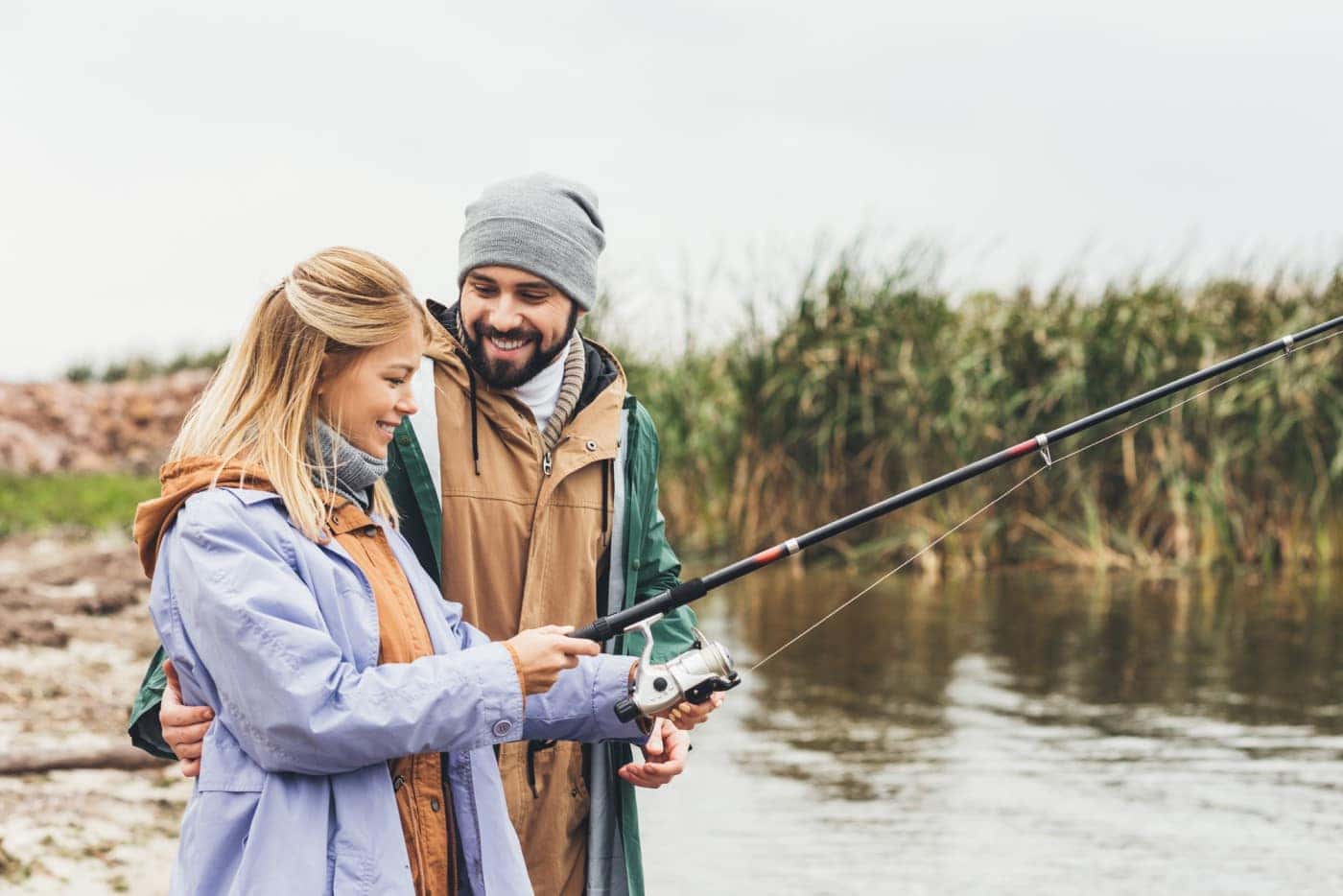
First and foremost, fishing trips are just about getting out there and enjoying your time on the water. That doesn’t mean that it’s not heartbreaking when you go home empty-handed.
So, while going fishing is an inherently fun and peaceful activity, it’s important to have some idea of where the fish are and how you’re going to catch them. We’re going to explore some ideas on finding fishing hotspots in this article, giving you some direction on how to find success once you get out on your trip.
Hopefully, you can pick and choose some of the tips below and use them to make your trip as enjoyable as possible. Let’s get started:
How to Find Fishing Hotspots on Your Next Trip
We should mention that if the process of fishing were a sure thing, there’d be thousands of books defining the formula, and no trip would ever go by unsuccessfully. It’s a skill and an art that comes with time and practice, and some of the success you find in particular areas comes from the time-earned wisdom from the people who live there.
That said, there are ways that you can reliably put yourself in the best position to catch fish. The great thing about fish is that they behave in a somewhat consistent way. Additionally, there’s a myriad of tools that exist for fishermen and fisherwomen to use and improve their chances.
The first way to get in the right position is to ask around.
Ask Local People Where to Start
Your first move should be to browse around online to see if there are any posts about fishing in the area you’re going to. Really popular fishing spots tend to be that way for a reason. Most towns have a couple of fishing holes that provide people with great success, and those locations are typically documented online in some way or another.
A brief Google search should bring up at least a few of the most popular fishing locations in any town. The only downside of this is that you’ll probably have to compete with others while you’re there. Popular spots don’t always provide the serene fishing experience that you want when you take a trip.
You might even know someone who’s been to the lake or river that you’ll be fishing, and ask them if there are any spots that they had great success. As you work your way down to your destination, you might try to stop off at fishing stores and shops where you can ask the people there about spots that tend to work out. Many fishermen don’t like to disclose the absolute gems that they’ve come across, but you might get an idea of general locations where fish tend to hang out.
At the end of the day, the knowledge of the people who have experience fishing in certain locations will be your best guide on catching fish in those spots. You can also get some tips on what to use as bait, which fish you can expect to catch, and what location-specific tips you can use to tweak your fishing to the environment.
Equip Yourself with a Fish Locator
Once you get out to the water, there’s one tool that can make your life a million times easier. A fish finder is something that can turn your experience around entirely. Fishing without a locator is a matter of time, patience, skill, and general knowledge of the body of water that you’re on.
When you have a fishfinder, though, you can know just how many fish are in your area, how deep they are, and what the terrain of the lakebed looks like. These devices work by using sonar to determine the size and number of fish in your immediate area.
Some are more sophisticated than others, but even the cheapest model will tell you something extremely important: whether or not you’re sitting above an empty lake. Just knowing that you aren’t fishing in vain makes the entire experience more enjoyable and productive.
Not only does a fish locator help you know where the fish are, but it gives you insight into just how you should be fishing. Knowing how large the fish below you are and how deep they’re swimming improves your odds of catching one by a big margin.
Track Great Locations When You Find Them
Finding timeless fishing spots to enjoy time and again requires that you do some work to chart those locations. It might seem like an easy thing to find the same spot on a lake twice, but experience proves that to be wrong.
The water levels change, seasons adjust the environment, and every day brings a slightly different experience to the lake. Those factors make it difficult to find the same spot twice, especially if you’re only using your memory to guide you.
The difficult thing is that many great fishing spots exist in one particular location for a specific reason. In other words, landing somewhere in the general area of a good spot won’t always cut it. Often, there’s a particular hole or ridge that attracts fish, and that’s where you need to anchor your boat.
Try your best to carry a GPS with you if there isn’t one on your fishfinder. A GPS pin can bring you back to the same exact location every time, allowing you to fish the same holes for years to come.
Once you have a fishing spot that works for you, do some investigating to see why it is that fish are spending time there. Use your fishfinder to examine the lake bottom and see what the environment is like there. Is there a sudden drop or ridge that might be funnelling fish into that area?
Knowing why a spot works well can give you the insight to use when you’re in different locations. The odds are that the reasons that fish are in one place on a lake are the same reasons that they’re at another location in a different body of water. When you understand how fish behave, you can catch far more.
Choose Your Destination Based on The Fishing
This one might seem like a no-brainer, but it’s something to keep in mind. If you base your fishing trip off of a great location, a lot of the searching is done for you.
Some rivers and lakes are known to be packed with fish regardless of where you are on the water. This isn’t always true of the lake where your cabin might be, for example.
So, planning a trip around the location can make things a whole lot easier when it comes time to drop the line. Knowing the environment in advance can help you choose the kind of gear you bring along as well. You’ll have a better idea of the fish, how they behave, and what you’ll need to have success.
Well-fished areas are often discussed and examined in online forums, so be sure to do some digging before you pack up and leave.
Keep Honest Expectations
The tips above should put you in a great position to go home having caught a number of fish. A great fishing trip includes some big catches, but it’s important that you keep your expectations in line with reality.
The trip will be a lot less enjoyable if you plan to catch a boatload of fish and don’t end up hitting the mark. On the other hand, if you don’t expect to catch anything, anything you do catch will feel a lot better.
The ins and outs of fishing and planning the trip are centred around finding lakes that house the most fish in the areas you’ll most enjoy. In reality, though, the trip will be spent outside in nature, hopefully with the ones you love.
Make sure to keep that fact in mind. Fishing is an exercise in patients and an excuse to spend a lot of time quietly doing something on your own or with the people you care about. Getting too angry about the lack of fish or the particulars of the gear will bring your spirits down.
At the same time, there’s nothing better than landing a big fish on the line and reeling it in. That feeling amplifies every time you catch another one, so there’s no denying that a fruitful fishing trip will be really exciting.
Just try to keep in mind that all of the expert gear in the world might not guarantee that you catch any fish. Sometimes they’re biting, and sometimes they are. It’s our job to enjoy the process.
Need More Fishing Tips?
Getting a feel for the fishing hotspots in your area is an exciting and challenging process. There’s a lot more involved with a great fishing trip, though, and we’re here to help.
Please explore our site for more ideas and information about fishing, how to improve your odds, and where to find great fishing spots.
0 comment(s) so far on Hotspot Fishing Guide – Catch the Most Fish