


Fishing Trips: Items You Need to Pack
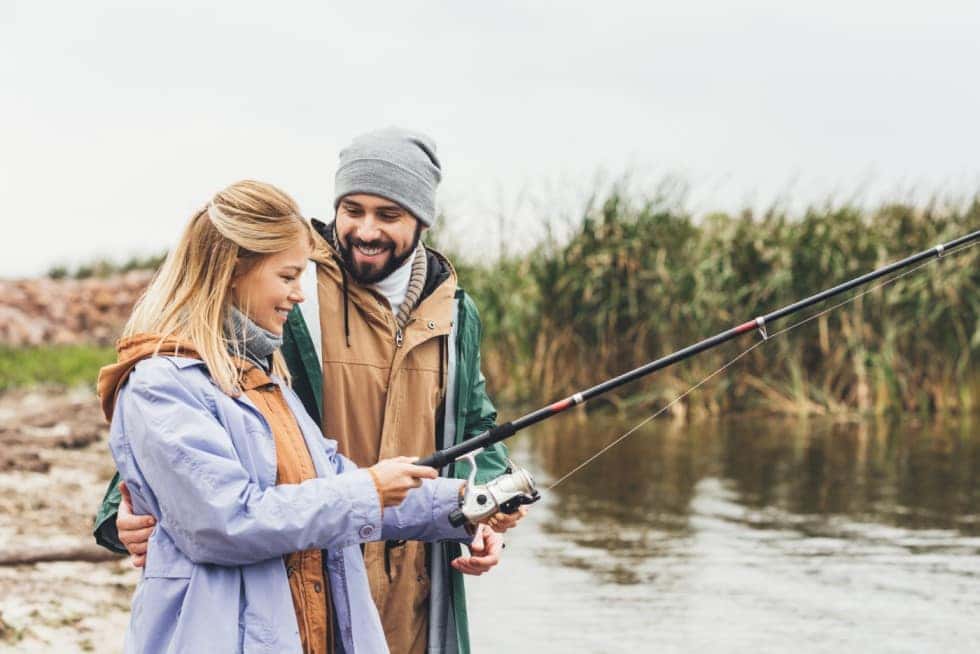
Do you have a fishing trip coming up? If that’s the case, you’ll find this article of great benefit to your venture.
A fishing trip can be as simple or as complicated as you want it to be. However, no matter how your trip turns out, it’s always better to be overprepared rather than underprepared.
In this article, we will cover everything you need to pack for your trip. Also, provide some general tips to ensure that you optimize your packing list to the best of your ability.
So whenever you’re ready to start preparing for an unforgettable and serene fishing experience, keep reading.
1. Fishing Gear to Match the Fishing Trip
The world’s waters are host to countless species of fish. And because of that, there are almost as many ways to catch them. Fishing is a specialized activity with lots of literature dedicated to it.
Some literature teaches fishing techniques, some focus on species information. However, no matter how much you read, there’s only one thing that sticks to true for any circumstance.
And that’s that the conditions should dictate your fishing experience. Get the equipment and gear to match your fishing conditions, and the fish you are trying to catch.
For a foundation, you will need a fishing rod & reel, a line, a tackle box, and some bait. Lures are ready to be used right away. Organic bait requires additional equipment, such as hooks, sinkers, swivels, and corks.
Fishing gear is highly specialized. The line and hook that is intended for saltwater mackerel are quite different from what’s used for freshwater panfish.
Try to find out what’s biting, where is it biting, what is it hitting, how to fish it, and anything else pertinent to the environment.
2. Fishing License
Having a valid license for fishing is very important. Nothing can ruin a fishing trip as much as getting a ticket for not having a license. Of course, some areas don’t require a license, but that’s for you to find out.
Do your research and ensure you have the license that fulfills the requirements of your trip. If you already have it, great, just don’t forget to bring it.
If you don’t, you can usually buy a week, month, year, or even day license depending on the body of water and state. Just get the one that makes sense to your needs.
3. Standard Gear
It’s quite obvious that you will need to bring some standard items with you for the trip. But with so many little details, it can be easy to forget some items.
To ensure that you don’t, make sure you have your rods and reels, your bait and lures, extra lines, and plyers.
But also:
- Nippers
- Hook remover
- Fishing net
- Stringer
- Waders
- Weights
- Hooks
- Swivels
- Indicators
This list is missing some things, but that’s because we thought it would be more important to cover them in detail. So let’s get to that.
4. Sunscreen
Another important item to have regardless of the weather or season is sunscreen. Many people forget it, and many feel they don’t need it, but almost all of those people regret it.
Having the right sunscreen is just as important. It’s advised that you bring a water-resistant and broad-spectrum sunscreen that at least has an SPF of 30.
Usually, the higher is better, but no matter which you get, reapplication is what will make the most difference.
5. Polarized Sunglasses
One of the most important pieces of gear that one should bring is a great pair of polarized sunglasses. Polarized glasses are designed to reduce glare that is encountered on the water reflection. Thus, enhancing your ability to see through the water with adequate clarity.
This combination of benefits makes having a pair of sunglasses a must for any fishing enthusiast. If you don’t have a pair, they are definitely worth the money.
6. Water & Food
For short trips, a snack bar and water might get you by. But even then, fishing trips can get quite long because of the wait.
Nonetheless, if you’re packing so many things, you’re probably getting ready for a longer trip. Thus, you will need a greater amount of provisions and water to satisfy your body.
You could also bring a water purification system, such as iodine tablets or a SteriPen to help you drink water when you run out.
7. Waterproof Bag
Fishermen get wet; that’s part of the experience. Even when you don’t plan on it, it will happen. You can use a simple Ziploc bag for your phone, wallet, and other items.
To make sure the bag does not sink, place some bubble wrap inside as well. Dry sacks are a better option altogether, but they will cost you more money.
8. Water Shoes
Boat decks are slippery, jet rocks are dangerous, and river rocks are slick. Footwear can help avoid scrapes, wounds, and other nasty spills.
You can simply wear sandals, tennis shoes, or dive booties. If you’re fishing in cold, rocky waters, consider felt-bottomed shoes for wading.
9. Maps
Nowadays, we have highly-accurate maps on our phones, but phones don’t last forever. On short trips, they will suffice.
But for longer trips, you should plan out the route and get a physical map to help you remember where you are and where you need to go.
10. Health & Safety Gear
A hat and thermo-dynamic clothing will help you protect your body from the sun. A good knife is necessary for a variety of reasons.
Some other items to consider for the trip are bug repellent, biodegradable toilet paper, feminine products, so on and so forth. A rescue throw bag and nylon rope can be useful if you’re paddling.
11. Measurement
Many people fish for size. Imagine you just caught the largest fish you have ever seen. Your nerves are wasted, your hands are slick, and your focus is sporadic.
A tape measure can help you verbalize the size of the fish for future discussions with buddies, but your words are not enough for evidence. Consider bringing a waterproof camera.
If you can take a photograph of yourself and the measurement, you’re set. Nobody will even dare to apprehend your experience.
12. Hemostats & Special Pliers
Even though we mentioned pliers, they might not serve you to remove hooks. It can be quite hard to remove the hook from the mouth of a fish.
Hemostats works quite well for small fish. But you will need needle-nose pliers for stubborn hooks and large fish.
13. Lanyard
Having several lanyards can be very useful for long fishing trips. Having the ability to secure your line clippers, your hemostats, and other gear on your waist belt is something to consider.
Convenience is comfort when you’re fishing.
14. First Aid Kit
No matter if you are fishing with friends or on your own, it’s very wise to bring a first aid kit. This should be one of the first things to pack, and it should be checked for inventory as well.
You never know what can happen on a trip. A rock, a hook, a fish, or some other thing can easily cause injury. Therefore, being prepared will not go unnoticed in times of trouble.
15. Backpack
Finally, a large and comfortable backpack will help you carry all of your items. Get a big with external pockets, many clips, and water-resistance.
It should be great for organization, convenience and it should not get in the way of fishing when the time comes.
Packing Tips
Now that you know what to pack let’s consider some other things to ensure you optimize your trip. Most people tend to overpack, which is not the same as overpreparing.
For your fishing trip, see if you can downsize all of your stuff to half. Don’t simply stuff your bag because you want it to be full. Layout your gear and clothes on the floor, and then start with what is necessary.
You might end up with fewer clothes, because who needs many jackets on a tropical fishing trip? Maybe all you will need is two sets of clothing. If you run out, you can always hit the laundry and get your stuff cleaned.
Research fishing clothing, and you might find something that will help you minimize your packing list tremendously.
Next, this is generally considered common knowledge, but surprisingly, most people do not practice prophecy when it comes to buying bags. There are still many travellers who forget to get waterproof bags given their activities and destination.
In your case, waterproofing the majority of your things is a must since you will most likely be on open boat rides and other circumstances in which your items will certainly get splashed.
Don’t use wheeled bags for a trip or lightweight backpacks either. This will ensure that you don’t waste time, energy, and convenience when travelling on buses or airplanes.
Several Bags
This is for people who carry lots of items, especially if you know you’re going to have many flights (given that you’re flying for this trip).
Don’t put all of your items in a single backpack or suitcase. Divide your items between several—each with a set of gear and clothing.
In case one of your bags is lost in transit, you will still have another bag to rely on.
Once again, one of the bags should contain the most critical items, such as gadgets, money, travel documents, medication, and toiletries. If your checked bags get lost or delayed, you will still be able to experience this trip.
Converters, Batteries, Adapters
Imagine that you are going saltwater fishing far away from where there is very limited electricity. Nothing is worse than running out of juice in your laptop, phone, and cameras.
A portable charger and solar battery are necessary for all travellers. But don’t forget international converters and adapters, either.
Airline Regulations
One of the other important matters that you should tend to is airline regulations. In the past, fishermen could easily carry-on all of their items, so they didn’t have to worry about anything getting lost or damaged.
But with new regulations and advanced security protocols, some airlines will ask that you check-in some gear. And you don’t want to miss your flight because you have to take out your fishing rod and put it in your suitcase at the last minute.
Get acquainted with the regulations and follow them to the tee.
Extra Cash
When you go off-grid for fishing, there are fewer or no ATMs at all. Not all restaurants, lodges, hotels, or remote places accept digital money or cards. Don’t even think about checks.
Any traveller will stress the importance of having extra cash on hand because you will probably end up spending more than you want to.
Quick Tips
When fishing is planned with other activities like camping, paddling, etc .- your packing will need to adapt. Consider shelter, water, food, safety, and communication as your pillars of gear.
Remember that conditions dictate the equipment. Water conditions, terrain, climate, game fish, other factors will influence the result.
The local book stores should have some books on local fishing waters. Local fishermen should be able to give you information too.
Service your gear before each trip. Bad gear will ruin your trip.
If you take up fishing, be a proactive and dedicated steward to nature and its generous resources.
Outdoor Vehicles & Information for You
Now that you know what you need to pack for your upcoming fishing trip, you can start to assemble your own day, week, or month pack. As long as you consider the circumstances, the itinerary and think through each step of the trip, there is no reason that you will miss out on something.
Proper packing is essential for a proper trip. If you don’t bring something important, your day can be ruined. So get all of your items, put them out in front, write them down on a piece of paper and check them off as you pack.
If you’re interested in outdoor vehicles or would like to learn more about fishing, get in touch with us, and we will happily accommodate all of your needs.
0 comment(s) so far on Fishing Trips: Items You Need to Pack