


Fishing Tips to Help You Land Bigger Fish
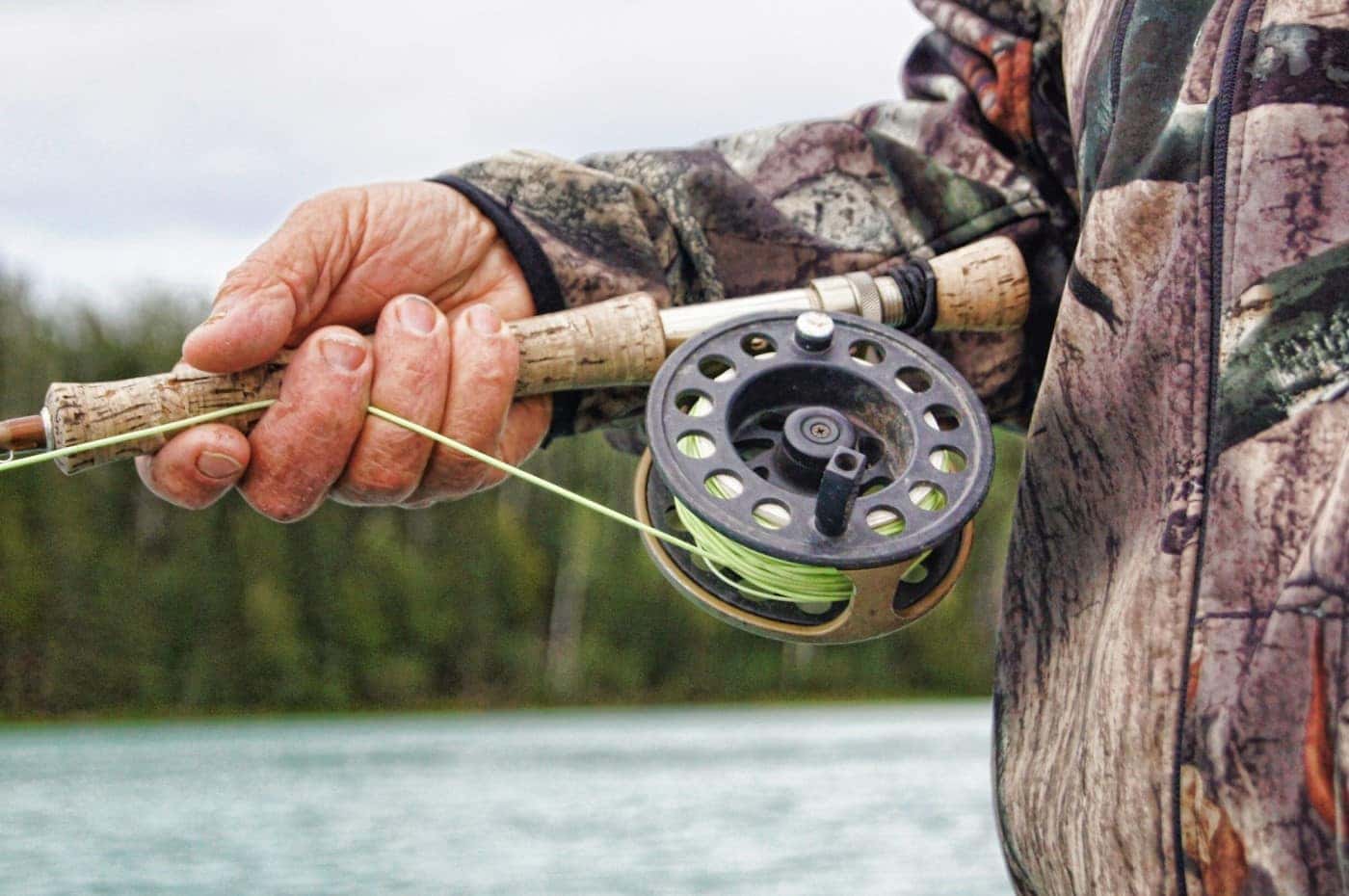
Each year, anglers from Canada and abroad make the most of the country’s shorelines, lakes, and waterways to enjoy some recreational fishing. In fact, more than 2.6 million recreational fishing trips take place in Canada each year.
This is a wonderful way to relax and take in some of the country’s most beautiful landscapes. And with two million lakes on offer, there’s plenty of room for it!
Of course, the highlight of any angler’s day on the water is getting a prize catch. So what would you say if we told you there are several things you can do to get a great catch?
If you’re looking for fishing tips that will help you to secure the catch of your dreams, then you have come to the right place! Read on to find out 10 fishing tips that will maximize your chances of success on the water.
1. Invest in a Good Line
If you are serious about getting lucky out on the water, then it is worth investing in good quality equipment. In fact, every year, Canadian anglers do just that – spending around $1.6 billion on new fishing gear!
Your fishing line does a huge amount of work when reeling in a large catch, so this is something you should splash out on (if you’ll pardon the pun!) There are several different types of lines you can go for, and these all require specialist care.
Monofilament lines, for example, will need changing once a year (or more if you use them a lot.) These lines weaken if they are exposed to sunlight, so it is also important to store them in a dark place.
In comparison, braided lines are more durable but are also more expensive if you maintain a braided line properly though this should outlast a mono line.
The condition of your rod and reel will also affect your line. This is why maintaining all of your fishing gear is important so that it can work together properly.
2. Test Your Knots Before Casting Your Line
The knots you tie in your line have a massive effect on how strong it is. A common mistake that new fishermen make is not testing out their knots before getting out on the water.
There are three main types of knot that you can use on your fishing line:
- Uni knots
- Palomar knots
- Improve clinch knots
When used properly these will maintain 90% of your line’s original strength. However, a poorly tied knot can weaken your line by 50% or more. This is why it is important to practice them before you start fishing.
This simple fishing tips trick will help you reel in your perfect catch on the big day.
3. Know Your Tackle’s Limits
Understanding the limits of your fishing tackle can give you a lot of confidence when out on the water. This helps you to know just how far you can push a line, rod, or reel when you need to.
You can test these limits by intentionally trying to break your line. To do this, try trying your line to a sturdy object either on land. Then move back thirty yards or so and see how much force you can use before the line breaks.
This will help you know when you can and can’t push your line when trying to reel a fish in.
4. Trust Your Line to Do the Job
We’ve all seen fishing rods taking the strain in movies the minute that a fish takes the bait.
However, in real life, there is generally no need to apply quite so much pressure even when you get a big catch. In fact, doing this can cause your hook to rip out completely so the fish can swim away.
Instead, the best thing to do is to let the fish tire themselves out before reeling them in. This will make the whole process a lot easier.
In some cases, a fish might try to bury into rocks to escape a line. When this happens, you will need to use more pressure. This is why it is good to know the limits of your line well in advance!
5. Use the Rod as Well as the Reel
Reel tricks and fishing bait tips are all well and good but knowing the role your rod plays is equally important.
This absorbs any sudden movements that your catch might make, which stops your line from snapping. It also maintains tension on the hook so that it doesn’t slip out of the fish’s mouth.
For this to work, you need to keep your rod tip pointing upward. This will bend and move as the fish does. However, you should never point the tip of your rod directly at your catch as this releases tension and the fish itself!
6. Maintain Tension
Tension in your line is key if your hook is going to stay in the fish’s mouth properly. The minute your line slackens, it makes it easier for the fish to escape the hook.
Make sure that you’re always prepared to adjust the length of your line so that you can maintain tension in it. If your catch swims towards you, you’ll need to shorten your line quickly to keep it tense. So be prepared for that!
7. Experiment with Your Angles
You can maintain control during a fight with a catch by adjusting your rod’s angle to challenge a fish more. This can change the hook’s position in their mouths, so they have to change direction and use more energy.
If you feel like your catch is gaining too much control of your line, try pulling your rod in the opposite direction. So if they’re going left, angle it right instead. This will help you gain some line back.
It is also easier to control a fish’s movement when your rod is low and closer to the water. So maintain this position when steering them towards your net.
8. Keep Your Drag Smooth
Maintaining your fishing gear is vital if you’re going to have a good day on the water. Sometimes you will need professional help doing this, but other jobs, such as maintaining your reel and drag, is something you can do yourself.
A series of stacked washers control your drag, which can become sticky if salt, sand, or dirt get into them. Fortunately, you can clean your washers down easily using a paper towel.
You should do this at least twice every season. If you’ve lost your reels’ instruction manuals, these are usually available online as well. These will contain all the appropriate instructions for cleaning your specific reels.
When you’re not using your reels, make sure you store them with the drags loosened. This will stop the washes from becoming sticky. Before you come to use it again, make sure you test it properly using a generous length of the line.
9. Use a Leader on Your Line
A leader is an essential piece of equipment that comes into play as your catch gets closer to your boat. You can either use a monofilament or fluorocarbon leader to protect the end of your line from break off.
The last three feet or so of your line can get really bashed about when you reel in your catch. A fish will use its mouth and tail to try to break free of a line. Your line can also become damaged if it gets dragged along a rough lake, river, or seabed.
A leader protects this most vulnerable part of your line so that it does not get worn down and snap before you have the chance to pull your catch in your boat. This also means that your line will last longer, saving you money.
If you do use a leader, it is important to check this regularly when fishing. You can check your line for weaknesses by running your fingers along with it. If you do notice any nicks and breaks in the line then you should simply cut it off about the break and retie it.
10. Remember to Pack Your Net
The last thing you want is to reel a prize catch all of the way up to your boat only to realize you have forgotten your net. This is a vital piece of fishing equipment to help you get your catch from the water and into your boat without it escaping.
You might be able to flip a smaller catch in without too much difficulty. But prize catches of ten pounds or more need some extra assistance.
When shopping for a net for your catches, look for something that will not take up too much room in your fishing gear and on your boat. This makes it easy to keep it to hand for when you need it most.
Lip grippers and hand gaffs are both great nets that will not take up too much space. You could even pick up a spare one from your local tackle shop to keep on your boat in case of emergencies. Otherwise, make sure that your net is on your fishing gear checklist before you head out on the water.
Guarantee a Great Catch With These Fishing Tips!
Whether you’re looking for fishing tips for beginners or fishing tips for experts, this top ten will help you reel in a prize catch no matter your experience. Keep them in mind, and you won’t go far wrong!
Ready to head out on the water? Then get in touch today to find your perfect fishing boat! We’re happy to help with anything you need.
0 comment(s) so far on Fishing Tips to Help You Land Bigger Fish