


Fishing Boat Safety Tips to Use Onboard
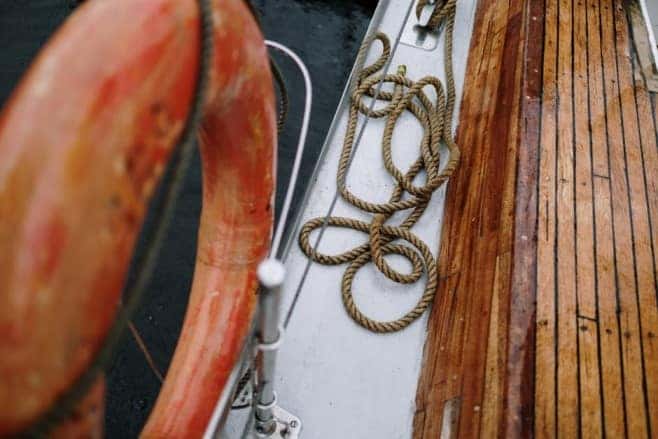
Fishing out on a boat can be a lot of fun. However, it’s not all candy and roses. In fact, even one wrong move can result in a tragedy.
For this reason, when you hit the water on a boat, you need to take some safety precautions. Curious as to what these precautions are? Then read on. Here are 11 fishing boat safety tips to use onboard your watercraft.
1. Wear a Lifejacket
Of all the safety tips we’re going to discuss, this is probably the most important: wear a life jacket.
No, it might not make you look like the suavest person on the planet. It might even be a little uncomfortable. But, should you fall overboard, it could go on to save your life, and there’s nothing more important than that.
You might be thinking, “but I can swim.” Even the best swimmers can succumb to rough, cold, and mysterious waters, especially if they’re fully clothed. The lifejacket ensures that you stay afloat, regardless of the water’s temperature, behaviour, or otherwise.
2. Bring an Audible Safety Signal
You never know when you might get sucked into a potentially dangerous situation. For instance, a particularly rough storm could set in, causing your boat to flip over. Or, your motor could die, leaving you stranded out on the lake.
For this reason, you need to bring along with you an audible safety signal. We recommend a marine whistle, in particular. These whistles are available for under $10 and can produce an exceedingly loud noise; as such, they’re capable of being heard from miles away.
Be sure to keep one of these whistles on your person so that, if you fall in the water, you’ll have it handy and will be prepared to use it.
3. Keep Paddles Handy
You’re out on a motorboat, so why would you ever need paddles? Because motorboats are fallible, and should yours encounter problems while out on the water, you’ll need your paddles to help get you back into shore.
We recommend having at least 6 paddles on board at all times. We also recommend mounting rowlocks to the sides of your boat. This way, you can use your paddles with maximum ease and control.
If you don’t bring paddles and your boat breaks down, your only option will be to call for help. This can be a long and stressful endeavour.
4. Have a Fire Extinguisher On Board
Like automobiles, motorboats have fuel and electricity running through them at all times. As such, if they get into accidents, they have the potential of starting on fire. And while you might think that the water they’re on top of would be sufficient for killing this fire, you would be thinking wrong.
This is why you need to have a fire extinguisher on board at all times. A small fire extinguisher can put out any fires that may come your way, allowing you to get your boat back into shore safely. Just mount one on your steering station so that it can be quickly and easily accessed.
5. Bring a First Aid Kit
The thing about being out on a boat is that you’re miles from others. As such, should someone on the boat incur an injury or an illness, you won’t be able to make it to the hospital quickly.
For this reason, you need to be sure to bring a first aid kit along. Ensure that it contains bandages, hydrogen peroxide, gauze, medications, and the like. You’ll also want it to contain items like ice packs, bottled water, and emergency numbers.
Keep this kit stored in the console of your boat, and make sure to check that it’s there before every expedition. In a pinch, it could go on to make a huge positive impact.
6. Insert the Drain Plug
Every boat contains a drain plug. This enables you to drain the boat if it becomes filled with water. It can be exceedingly useful, especially after a storm or a particularly rough day.
However, a common mistake among boat owners a the failure to reinsert the plug before taking off. This has — as you might expect — disastrous consequences. In short, it causes the boat to become filled with water.
Now, if you’re still on the shoreline, it’s not a huge deal. Sure, it’s annoying, and it might ruin your day, but it doesn’t put you in any danger.
But what if you’re out in the middle of a lake or river? Taking water on at such great distances from shore can endanger your life. As such, you 100% need to be sure to insert the drain plug.
7. Take It Easy With Alcohol
Drinking alcohol while boating is a tradition as old as time. And, in most situations, it’s legal. In fact, the only person who can’t drink alcohol on a boat is the person who’s driving it.
But that doesn’t mean that the passengers should go crazy with it either. If you’re going to drink on a boat, you should do so in moderation. The last thing you need is to get highly inebriated, stumble over the side of the boat, and put yourself in danger.
Sip a few beers over time, but don’t go on a full-on bender. You can wait until you’re back on land.
8. Bring Plenty of Water
A day spent out on a boat is sure to expose you to direct sunlight. After a few hours, you’re going to be feeling fairly dehydrated. As such, you need to make sure to have plenty of water on board.
This is particularly important for cases in which your boat breaks down or gets stranded. You need to be able to maintain your energy levels until someone can rescue you. Water will help you to do that.
We recommend bringing an entire cooler full of water bottles. Bring at least 3 bottles per person. Drink them periodically throughout the trip, and you’re sure to stay hydrated.
9. Make Sure to Have Flares Onboard
Not only do you want to bring a sound signalling device, but you also want to bring flares. This way, should your boat break down, you can fire your flares up to attract the attention of passersby.
You can buy boat flares online for as little as $15. We recommend keeping at least 5 of them on the boat at all times, just when you aren’t found after the first one is launched.
10. Wear Weather-appropriate Clothing
When you go out on a boat, you expose yourself to the weather conditions completely. So, if it’s a calm, beautiful day, you get to bask in calmness and beauty. But at the same time, if the sun is shining down directly, you’re going to be subject to the effects of constant sunlight.
As such, when going boating, you need to wear weather-appropriate clothing.
If it’s a sunny day, wear a hat, sunglasses, a t-shirt, and shorts. Also, be sure to apply sunscreen regularly.
If it’s a rainy day, make sure to bring a raincoat, rain boots, and a couple of changes of clothing. Rain-soaked clothes can get cold, which could lead to hypothermia. Having a change of clothes ready could make a world of difference.
In essence, use your common sense and be prepared. Because once you’re a kilometre out on the lake, there’s no going back.
11. Be Mindful of the Weather
The weather conditions can directly affect your ability to navigate a boat on the water. At the same time, rain won’t have a huge effect on your boat’s ability to stay upright, wind can.
As such, before taking off, you need to take a look at the weather report for the day. Will the winds exceed 25 kilometres an hour? If so, you might want to consider staying home.
Is the rain going to be particularly heavy? If so, you might want to give your trip a second thought. Though rain is fairly navigable, if heavy, it can create a serious slipping hazard.
It’s also wise to monitor the weather while you’re out on the water. This way, you can get to shore before a big storm hits.
Fishing Boat Safety Is of Utmost Importance
Being on a boat always poses some risk. Put these fishing boat safety tips to good use and reduce that risk as much as possible. They could save your or another’s life.
Interested in buying a boat? If so, we here at Westshore Marine & Leisure are the people to see. We sell a variety of boats, from fishing boats to pontoons and more. Offering both new and used models, we’re sure to have something that fits within your budget.
Check out our new boat inventory now!
0 comment(s) so far on Fishing Boat Safety Tips to Use Onboard