


Common Boat Motor Problems
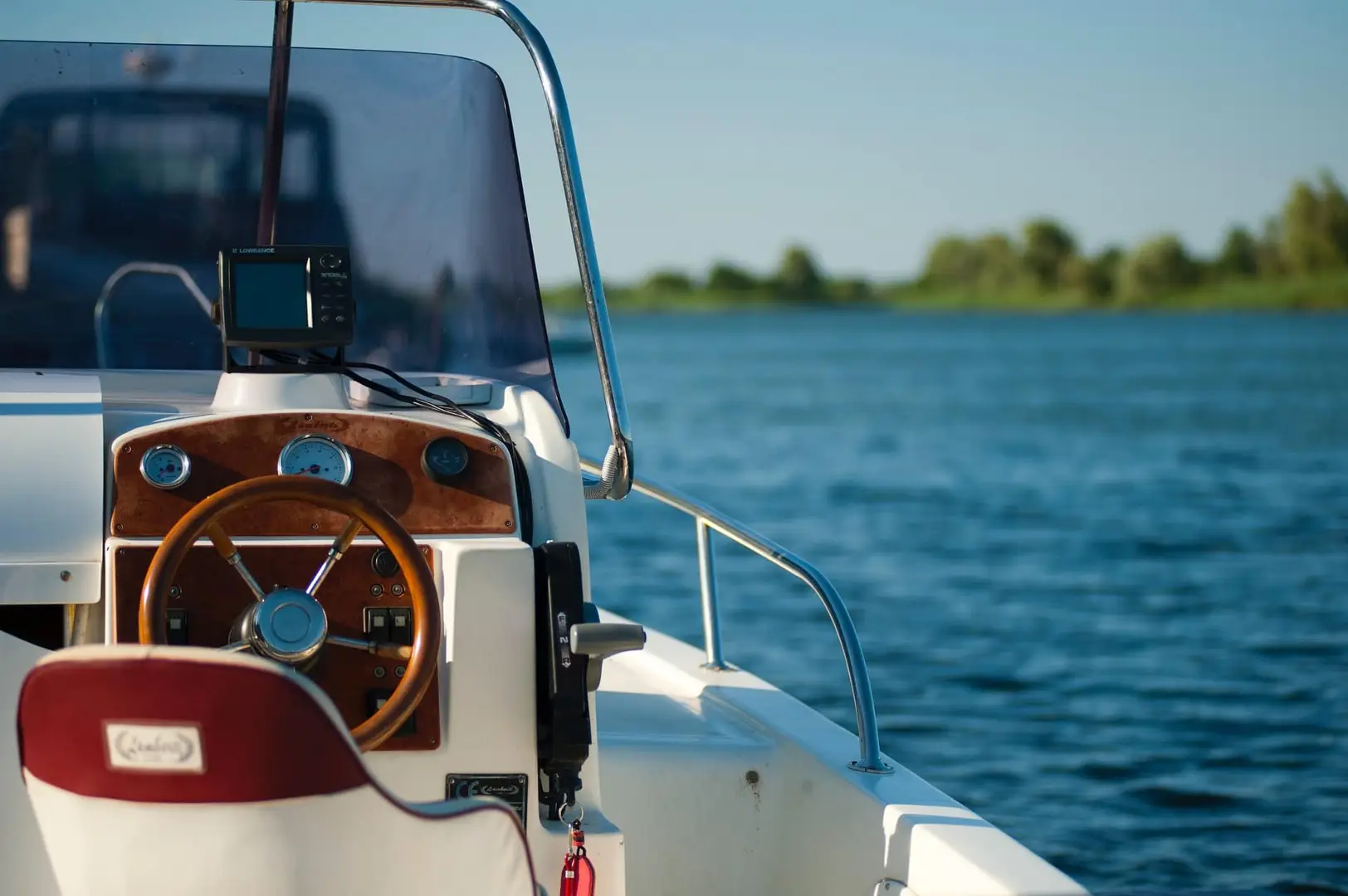
Common Boat Motor Problems to Watch Out For
Picture this: you’re out on the water, enjoying a beautiful day with your friends and family. Suddenly, your boat motor starts acting up, and you have no idea what’s going on. Boat motor problems are not only frustrating but can also be dangerous if left unaddressed. In this post, we will discuss some of the most common boat motor problems that you need to watch out for. We’ll help you recognize signs of trouble early so that you can take action before it’s too late. From decreased fuel efficiency to overheating engines, we’ve got you covered. So, grab a cup of coffee and let’s dive into the world of boat motors!
Recognizing Signs of Motor Trouble Early
Regular maintenance is key to preventing common boat motor problems. As a boat owner, it’s important to pay attention to any unusual sounds or vibrations coming from your outboard motor. These could indicate underlying issues that need to be addressed. Another sign of trouble is decreased fuel efficiency, which may suggest a problem with the prop or shifter. Be proactive and regularly check for leaks or corrosion in the motor to avoid more serious issues down the line. If your motor stalls or sputters frequently, it’s time to give it some special attention. By recognizing these signs early on, you can address motor problems before they become more serious.
Decreased Fuel Efficiency
If you notice a sudden drop in your boat’s fuel efficiency, it’s important to keep track of its fuel consumption. Regularly checking your boat’s fuel gauge ensures that it’s taking in the right amount of fuel. Dirty fuel filters can lead to reduced fuel efficiency, so make sure to clean or replace them as needed. Using a fuel stabilizer can also help improve your boat’s fuel efficiency. Another factor to consider is a malfunctioning propeller, which can contribute to decreased fuel efficiency. By paying special attention to these factors, you can ensure that your boat’s fuel efficiency remains optimal.
Engine Backfiring, Stalls, and Sputters
If you encounter engine stalls or sputtering while boating, there are a few potential causes to consider. Start by checking the ignition circuit for any loose connections or faulty components. Additionally, a clogged or damaged fuel line can lead to engine stalling, so it’s important to inspect this area thoroughly. Faulty spark plugs may also result in engine sputtering, so be sure to examine and replace them if necessary. Another factor to consider is the exhaust system, as obstructions or leaks can contribute to engine performance issues. Lastly, inadequate water intake can cause engine stalling, so it’s essential to ensure proper water flow. By addressing these potential problems, you can keep your outboard motor running smoothly.
Motor Won’t Start – What Could Be Going Wrong?
Possible reasons for a boat motor not starting include a dead battery, improper engagement of the kill switch, faulty wiring or blown fuse, a worn out or damaged starter switch, and blockages or low fuel level in the fuel system.
Possible Issues with the Ignition System
Possible Issues with the Ignition System:
When it comes to the ignition system of your boat motor, there are a few common problems that you should watch out for. Faulty ignition coils can cause difficulties in starting the motor, while a broken or worn-out ignition switch may prevent it from starting altogether. If the ignition module malfunctions, it may need to be replaced. It’s also important to ensure that the spark plugs are clean and functioning properly. Additionally, checking the breaker and fuse for any damage or blown fuses is essential. By addressing these possible issues with the ignition system, you can keep your boat motor running smoothly on the water.
Battery Troubles
Having battery troubles with your boat motor can be frustrating, especially when it hinders starting the motor. To solve this issue, inspect the battery terminals for corrosion or loose connections. A good practice is to use a battery charger to maintain the battery’s charge, ensuring it’s ready to power your boat whenever needed. Consider installing a secondary battery bank as a backup power source for added reliability. Additionally, regularly check the battery’s water levels and top up with distilled water if necessary. By attending to these battery maintenance tasks, you can prevent low voltage problems and enjoy uninterrupted boating adventures. Remember, a well-maintained battery is crucial for smooth sailing.
Unusual Noises and Vibrations – A Sign of Motor Problems?
Pay attention to any new or unusual noises emanating from the boat motor. Vibrations can also indicate potential motor problems. Check for loose or damaged propellers as they can cause vibrations. Inspect the shaft and propeller for any signs of damage or imbalance. Ignoring these signs may lead to further damage to the boat motor.
Identifying Source of Noise
When troubleshooting common boat motor problems, it’s important to identify the source of any unusual noise. Start by using a wrench to check for loose connections in the motor. Loose connections can cause rattling or knocking sounds. Next, examine the impeller for any damage or obstructions. A damaged impeller can create a whining or grinding noise. Additionally, inspect the cooling system for leaks or blockages. Leaks can result in a hissing or gurgling noise, while blockages can cause the motor to overheat and make a loud buzzing sound. Another potential source of noise is a broken belt, which can lead to vibration and a squealing noise. Lastly, listen for clicking or ticking sounds, as these may indicate valve problems. By identifying and addressing the source of the noise, boat owners can prevent further complications and keep their outboard motors running smoothly.
Impact of Vibration on Boat’s Performance
Excessive vibration can have a significant impact on a boat’s performance. It can affect the boat’s speed and fuel efficiency, making it less efficient on the water. One of the main contributors to increased vibration is loose engine mounts. When these mounts are not secured properly, they can cause the engine to vibrate excessively, leading to a decrease in performance. Another common cause of vibration is damaged or worn-out propellers. If the propellers are not in good condition, they can create imbalances, resulting in excessive vibration. To prevent this, it’s important to regularly check the condition of the motor mounts and propellers for any signs of wear. Additionally, vibrations can also be caused by a misaligned propeller shaft, which should be carefully inspected and realigned if necessary.
Overheating Engine – How to Prevent it?
To prevent your boat’s engine from overheating, follow these tips: regularly clean the cooling system, monitor the temperature gauge, check water pump and coolant levels, avoid running at high speeds for extended periods, and inspect radiators for obstructions.
Common Causes of Overheating
When it comes to common causes of overheating in boat motors, there are a few key factors to keep in mind. First and foremost, it’s important to check for any obstructions in the water intake or cooling system. This could include things like debris or fishing line that may have gotten caught in the system. Secondly, using a fuel stabilizer can help prevent corrosion in the engine, ensuring it runs smoothly and efficiently. Another important step is to inspect the propeller for any damage or debris that could affect its performance. Additionally, testing the kill switch is crucial to ensure it’s functioning properly and can shut off the engine if needed. Lastly, regularly inspecting and replacing the impeller can help prevent coolant issues. By paying special attention to these common causes, boat owners can avoid potential overheating problems and keep their outboard motors running smoothly on their boating adventures.
Regular Maintenance to Avoid Overheating
Regular maintenance is crucial for preventing overheating issues in boat motors. By keeping up with routine tasks like changing the oil and coolant, you can ensure optimal performance. Another important step is checking and adjusting the valves to maintain efficiency. Regularly inspecting and cleaning the spark plugs helps prevent ignition problems and potential overheating. Additionally, maintaining the proper fuel mixture and using high-quality fuel can make a significant difference in the motor’s performance. Finally, ensuring that the exhaust system is free from obstructions allows for proper airflow and reduces the risk of overheating. By paying special attention to regular maintenance, boaters can avoid common boat motor problems and enjoy a smooth boating experience.
Is Inadequate Maintenance Causing Your Motor to Fail?
Neglecting regular maintenance can lead to engine problems like corrosion, battery issues, and faulty wiring. Ignoring small issues can result in bigger, costlier repairs. To prevent motor failure, prioritize regular maintenance for your boat motor.
Importance of Regularly Scheduled Maintenance
Regularly scheduled maintenance is crucial for keeping your boat motor in optimal condition. By sticking to a maintenance schedule, you not only ensure that your motor performs at its best but also prolong its lifespan. Another key benefit of regular maintenance is the early detection of potential issues. Through routine servicing, problems can be identified and addressed before they escalate into major breakdowns or require costly repairs. Additionally, regular maintenance helps to maintain warranty coverage, giving you peace of mind knowing that your motor is protected. Ultimately, a well-maintained motor provides reliable performance, allowing you to enjoy your boating adventures without worry. Remember, taking special attention to your motor’s maintenance needs is key to a smooth and trouble-free boating experience.
Owning a motor boat can be an exciting experience. After all, few things match the thrill of boating out on the lake on a clear day. However, anyone that has owned a boat before knows that these watercraft do run into problems from time to time. Such issues can leave your boat dead in the water. In some cases, these problems can spiral into massive issues that require extensive repairs.
For this reason, it is vital to identify boat motor problems before they get out of hand. In this guide, we will discuss 10 common boat engine problems that boaters should be aware of.
10 Common Boat Motor Problems
1.Overheating
Every combustion engine is capable of overheating under certain circumstances. This includes your boat engine. Modern engines always include some type of cooling method to keep overheating issues to a minimum.
For example, your boat may have an enclosed cooling system that uses a combination of coolant and freshwater to keep the engine parts from overheating. More traditional boat engines use a water pump known as an impeller for constant water flow. This pump draws water from the surrounding water body and uses it to douse parts of the engine to keep it cool.
If your boat’s cooling system fails, your engine will begin overheating. Attempting to operate your boat in this condition is incredibly dangerous. An overheating engine head can warp and crack. Your engine oil may also ignite, leading to an engine fire.
No boater should put themselves and their passengers at risk over such issues. For this reason, you should aim to resolve overheating engine problems quickly.
One of the common boat motor problems is an obstruction in the water supply, such as weeds, mud or a plastic bag. It can cause the engine to heat up and stop working properly. The solution is to trace the source and clean out the raw water intake. Loose hose clamps or split hoses can also cause slow water flow and lead to engine failure. Therefore, it is important to regularly check and maintain your boat motor to prevent any unexpected issues while out on the water.
2. Torn Belt
A common boat motor problem is a broken serpentine drive belt, which can cause the overheat warning light to come on or your voltage meter to show that the alternator isn’t charging. This situation can pose a serious threat as you may lose control of your vehicle without a functional water pump or alternator. It is important to regularly check the condition of your boat’s drive belt and replace it immediately if it shows signs of wear and tear. A voltage meter is an essential tool for monitoring the performance of your boat’s electrical system and identifying any potential issues before they become major problems.
This belt is subjected to heavy forces when your boat is operating. For this reason it may become worn down over time. In extreme cases, the belt may even tear and break entirely.
You can tell if your serpentine belt has broken based on the noise coming from your engine. Engines with broken serpentine belts produce an unusual squeaking sound from their pulleys. If this broken belt problem isn’t addressed, your alternator will eventually stop working. Your impeller will also stop functioning. This will lead to the boat engine overheating and a potential breakdown occurring out on the water.
For this reason, you should check your engine’s serpentine belt before taking your boat out for a spin. If you have any doubts about its condition, it is best to take it to a professional for a replacement.
3. Fuel Line Issues
Your boat’s fuel line is the tube that feeds fuel to your boat’s engine. A fully-functioning fuel line will feed your engine fuel at a steady rate, giving you a smooth ride and a responsive throttle. However, your engine performance will suffer if the fuel line develops issues. This includes blockages or kinks.
A blocked fuel line typically starts off with a partial blockage. You can still get your motor up and running by playing around with this line. However, such partial blockages eventually turn into complete blockages. These blockages typically occur due to particle buildup in your fuel line. Such buildup occurs faster if you leave fuel in your line for several months.
A fuel hose kink can also create similar issues. Such problems typically occur in engines where the fuel link must make several turns to get from the muffler to the engine. One possible solution for such problems is to use silicone tubing with thick walls. Such tubing is less likely to kink and create these issues.
Another solution is to replace your fuel hose with brass tubing. You should note that brass tubing is prone to corrosion if it’s exposed to salty seawater. For this reason, you should opt for brass tubing only if you intend to take your boat onto lakes. If you intend to take your boat out to sea, it is best to go with a stainless steel fuel line.
4. Starting Problems
Starting problems can be a frightening issue. After all, no one wants to be caught several miles from shore in a boat that refuses to start. If this does happen to you, you will need to drop your anchor test a few easy problems to eliminate and if all else fails call for help .
One of the common boat motor problems is a low battery. This problem can be caused by a loose or poor connection, or the ignition switch becoming loose in its fitting. To fix this issue, you need to tighten up the retaining nuts or mounting screws behind the dash. It is important to pay attention to the starter switch and check that the shifter is in neutral. By addressing these issues, you can prevent low battery problems from affecting your boating experience.
Such starting problems can be caused by a variety of factors. For example, your boat’s engine may refuse to start if your gas tank is empty. This is a common issue that many people run into when they fail to perform a pre-departure inspection. So be sure to check your boat’s fuel gauge before each boat trip.
If your boat has run out of fuel, you should fill up your gas tank and then prime it. Most outboard engines are equipped with a “primer bulb”. This resembles a golf ball-sized rubber sphere located on the fuel line. Squeeze this bulb multiple times until it is firm. This should charge your line and allow you to start your engine.
One of the common problems that boat motors face is condensation in the fuel tank due to prolonged storage. Long-term storage of fuel in a tank that isn’t full can lead to moisture condensation and water buildup. This problem can be prevented by keeping the fuel tank full during long-term storage or using a fuel stabilizer. It is also recommended to run the boat for a sufficient time period to inject the treated gas. Taking preventive measures like these can ensure that your boat motor functions properly and does not face any issues related to condensation.
One of the common boat motor problems is related to older tanks. These tanks may have debris at their bottoms, which can cause fuel levels to drop and stir up. This can lead to clogging of fuel lines and filters, causing the engine to stall or run poorly. To avoid this problem, it is recommended to add a larger aftermarket fuel filter for increased filtration. Additionally, you should fill the tank and use a fuel stabilizer for proper storage of fuel, ensuring that all treated gas goes through your boat engine smoothly.
Your boat may also have trouble starting if your ignition points are dirty. These points can get dirtied by carbon and oil over time. When enough particles have covered these points, they won’t spark properly. You can clean such points using a spark plug abrasive fluid. However, if the issue is severe, you may need to replace your spark plug entirely.
5. Motor Stopping
In some cases, your boat may unexpectedly stop working while you are out on the water. Such engines could be functioning perfectly well before suddenly shutting off. If your boat has a kill switch and lanyard, the lanyard key may have come loose. In this situation, you simply need to fiddle with it to correct the loose connection and get your engine up and running again.
Your boat’s wiring may also be to blame for an unexpected engine failure. The wiring in your boat’s marine engine can corrode over time. These wires are typically covered enough to stay protected from such effects. However, their ends are usually exposed at points where they meet the battery terminal. For this reason, you will need to clean both the wire ends and the terminals to get your engine working again.
A more serious engine shutoff problem can occur if your boat’s in-line fuel filter or engine/water separator has become clogged. Many people experience such issues when they first start using diesel fuels that contain ethanol. Ethanol is especially good at dissolving the particles that build up in your hank. However, this can lead to these particles then transferring over to your filter and clogging it.
Depending on the type of fuel filter you have, you may need to simply clean it or replace it with a brand new one.
One of the common boat motor problems is a clogged in-line fuel filtration filter. To fix this, you can replace the filter or clean and drain it of any accumulated water and debris. Inboard/outboard (I/O) owners should also remember to vent the engine box before restarting to avoid any further issues. It is important to have a spare filter on hand in case of emergencies. Neglecting to properly maintain and clean the fuel filter can cause bigger problems while out at sea.
6. Heavy Vibrations
Boat engines tend to be noisy and vibrate a lot. However, if you notice your outboard motor vibrating more than usual, it could indicate some underlying issues.
For example, your boat engine may start vibrating heavily as your boat loses speed. This may indicate a problem with your propeller. These components tend to be sturdy, but even minor nicks from collisions with fishing lines or tow ropes can cause their blades to become imbalanced. When this occurs, they lose their ability to propel the boat forward efficiently.
Attempting to operate a boat with a damaged propeller can be tricky. These components are located under the hull and will end up damaging themselves more if you attempt to use them at regular cruising speeds. So if you are caught out on the water with a damaged propeller, you should return to shore at slow speeds. Once you get to shore, you can replace it with a spare prop.
If your engine is vibrating heavily while the gear is in neutral, it may indicate an issue with your engine mounts. You can check this by setting your shifter in neutral and seeing if any of your mounts are shaking more than the others.
7. Transmission Won’t Engage
Your boat’s transmission is controlled by the gears. If you put your boat into gear but the transmission doesn’t engage, it may indicate a number of problems.
Once common source of transmission problems is low transmission fluid. Your boat’s transmission fluid doesn’t normally run out, so if this fluid’s levels are low, it may indicate a possible leak. You can verify that there is a leak by looking for traces of fluid under the transmission.
If your boat has an automatic transmission system, you might not be able to correct this issue yourself. In this situation, your best option is to take your boat to a professional and have them check out its transmission computer system.
8. Engine Backfiring
If your engine is producing loud banging noises periodically, it may be backfiring. This is a common problem that many boaters face from time to time. Such engines may still be able to function, but backfiring typically indicates deeper problems that should be addressed sooner rather than later.
For example, your boat engine may start backfiring if its cylinders are receiving too much air. This throws off the air to fuel ratio and makes it harder for the cylinders to push the pistons properly. You can identify this issue through the loud banging noises it produces. In addition to this, you can notice strange odors coming from your engine as well as higher fuel consumption.
A less common reason for an engine backfiring is faulty spark plugs. We recommend changing your outboard motor’s spark plugs every season to avoid such issues. The good news is that spark plugs tend to be relatively cheap and easy to install, so you should be able to make this replacement a regular part of your boat’s seasonal maintenance.
9. Stuck Engine Trim
Outboard motors sometimes experience issues where their trim gets stuck. You can attempt to pull the engine up, only to realize the motor won’t come up. This issue can be caused by numerous factors.
For example, your engine trim can be stuck if your fuse has blown. If you have spare fuses stored in your boat’s toolbox, you should be able to replace this fuse easily. To do this, you simply need to locate the blown out one, remove it, and add the new one in its place. Once this is complete, you should be able to activate and raise your trim.
If you can’t identify any blown out fuses in your engine, your next move should be to check the hydraulic pressure line. This system is a lot more complex, so you will need to use some tools to correct issues in this area. For this reason, it is best to call for help and get your boat back to shore. Once it is back on the trailer, you can use a screwdriver to loosen your trim release valve and check out the issue more closely.
10. Steering Problems
If you notice your boat has become difficult to steer or that the steering has locked completely, it could indicate an issue with the hydraulic system. Your boat uses hydraulic fluid to control the steering system, so an issue with this system could be caused by low hydraulic fluid or lack of fluid entirely.
This hydraulic fluid may run low due to a leak in the system. Such leaks could be caused by a loose connection and can be corrected by simply tightening the connection. You can top up this hydraulic fluid and operate your boat in an emergency situation, but it is best to investigate the source of the leak and fix the problem.
If your hydraulic fluid levels are at their correct levels, the steering problem may be due to a mechanical issue. Having a loose connection in your cable system can also cause such problems. In this situation you will need to examine the cable system carefully and keep an eye out for any issues with the lines. If you can’t locate any problems, you should consider taking your boat to a professional for assistance.
Preventative Maintenance Practices To Follow After Each Trip
The problems mentioned above can spiral out of control if they aren’t addressed quickly. However, simply waiting for problems to occur isn’t enough. It is better to keep up with motorboat maintenance to minimize the chances of such engine issues occurring.
Some important preventative maintenance practices to perform after each trip include:
Flushing the Motor
Your motor boat’s engine can accumulate sand or dirt after each trip. This will occur in both freshwater and seawater conditions. Such particles can impact your engine’s performance, so you will need to flush them out after each boating trip.
To do this, you will need to first purchase a motor flushing attachment. This attachment resembles large earmuffs. You can slip these over the gearcase’s water intake ports. You can then attach a garden hose to any one of the intake cups before starting your boat engine in neutral and pumping water. Once the flushing is complete, you can turn off the hose and shut your engine.
Topping Up Your Oil
You can also check your engine oil levels at the end of each trip. If the oil levels have fallen below the necessary amount, you should top it up and find a professional boat repair shop to help find out why your engine is burning oil. Burning oil or losing oil is not what a properly maintained boat motor should do.
Checking the Propeller For Damage
As mentioned earlier, a damaged propeller can be dangerous to use. However, it is difficult to check your propeller while your boat is out in the water. For this reason, you should look over this component at the end of each trip.
If you notice any nicks or bends in the blades, you should take the engine to a professional for a replacement immediately.
Draining the Fuel Tank
You will need to drain your engine’s fuel tank at the end of each trip. This is because leaving fuel in the tank can lead to residue build up that can cause engine performance problems.
You can drain your engine’s fuel tank using either a fuel transfer pump or the primer bulb. Transfer pumps can be expensive so you may prefer to use the primer bulb that is already present in your fuel line.
Get the Best Outboard Motor For Your Boat at Westshore Marine
As you can see, the average boat owner is likely to encounter many boat motor problems with their boat’s over its lifetime. You can reduce the likelihood that such issues will occur by performing preventative maintenance. It may also help to invest in a high-quality outboard motor from a reliable manufacturer.
At Westshore Marine, we offer some of the best outboard motors on the market from renowned manufacturers. This includes brands such as Yamaha, Suzuki, and Mercury Marine. Please visit our website to see our full selection of outboard motors or contact us to learn more about preventing boat engine issues.

Conclusion
In conclusion, it is important to be proactive in recognizing and addressing boat motor problems. By being aware of the signs of motor trouble, such as decreased fuel efficiency, engine stalls, and unusual noises, you can prevent further damage and costly repairs. Regular maintenance and proper care, including checking the ignition system, battery, and addressing overheating issues, can significantly prolong the life of your boat motor. Don’t overlook the importance of regular maintenance and scheduled servicing to keep your motor running smoothly. Taking these steps will ensure that you have a reliable and efficient boat motor that performs at its best every time you hit the water.
0 comment(s) so far on Common Boat Motor Problems