


Buying Your First Fishing Boat?
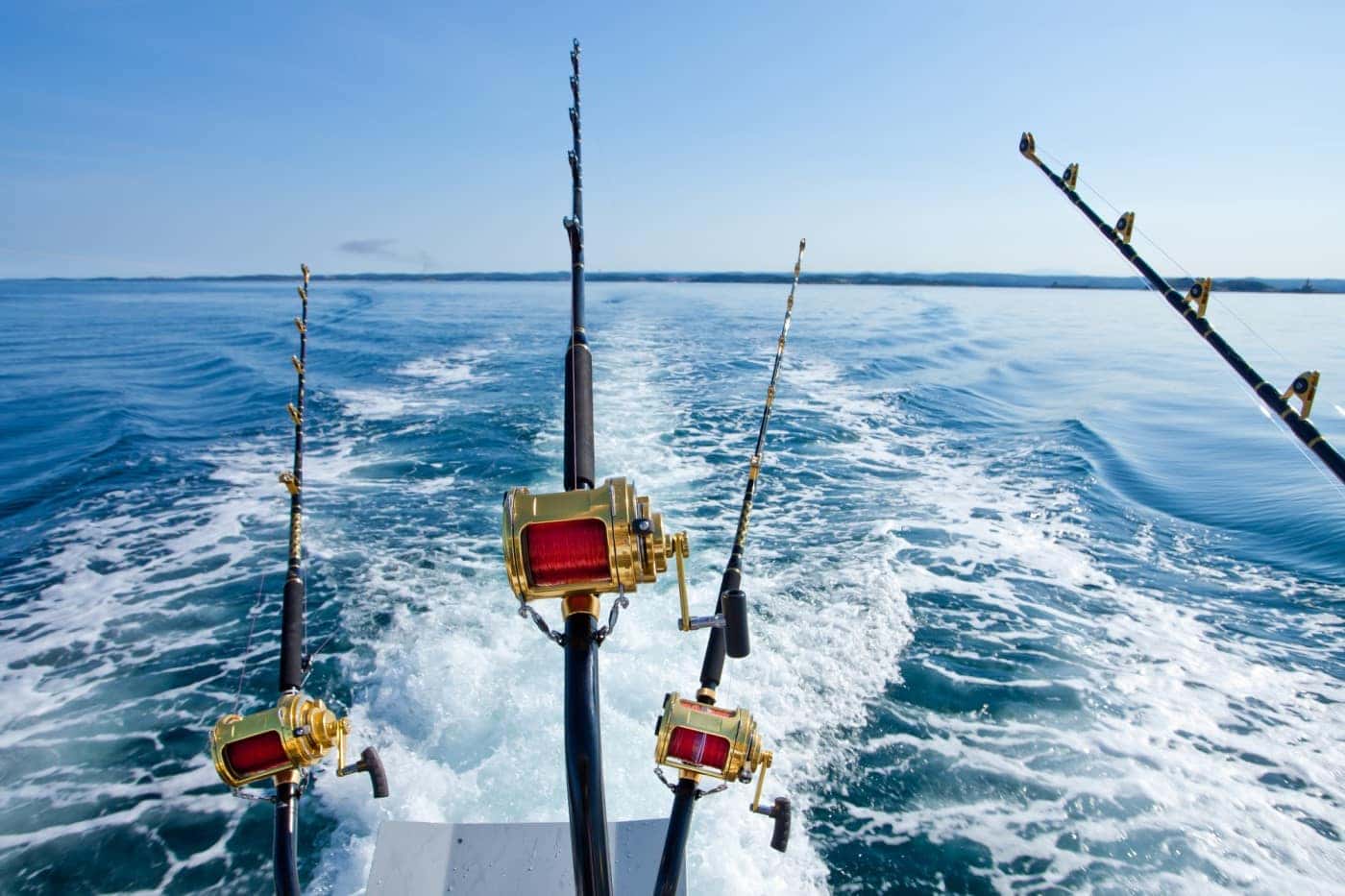
Are you looking to buy a fishing boat, but aren’t sure which one to choose? Buying your first fishing boat can be overwhelming, as the selection is vast.
Because a fishing boat is such a big investment, you want to make sure you know what you’re looking for. So, how do you choose the right fishing boat?
Check out this guide to learn the top things you need to know before purchasing your first fishing boat.
1. Understand the Different Types of Fishing Boats
Just as there are many different types of cars, there are also many different types of fishing boats. Fishing boats generally fall into two main categories: freshwater fishing boats and saltwater fishing boats.
As the name implies, freshwater fishing boats are meant for fishing in freshwater. These boats tend to be lightweight, have a slim profile, have shallower drafts, and be shorter than saltwater fishing boats. Some freshwater boats come with heavy carpeting and other materials and add-ons that may not hold up when exposed to saltwater.
Freshwater Fishing Boats
Here are some of the different types of freshwater fishing boats:
Aluminum Fishing Boats
Aluminum fishing boats are lightweight, small, and inexpensive. Fishermen often use these boats in lakes, ponds, and rivers. They can be hitched onto a trailer, and they come in many different designs and layouts.
In addition to being affordable upfront, aluminum fishing boats are also very fuel-efficient, resulting in lower maintenance costs. They’re also great boats for beginners because of their durability, as they’re very forgiving if you make a mistake launching, towing, or retrieving while in water.
Aluminum fishing boats are also corrosion-resistant and offer a high resale value.
The biggest downside to aluminum fishing boats is that because of their metallic properties, and they can be noisy in choppy waters. Aluminum is also prone to condensation and loses heat quickly, so this may not be the best boat type for those who fish in cold weather.
Bass Boats
Since bass is the most freshwater fish species, it should come as no surprise that bass boats are extremely popular. Bass fishing boats are known for having lots of power, and because these boats are so popular, they’re available in a wide range of materials, styles, colours, and sizes, so you can easily find something to suit your needs.
Jon Boats
A Jon boat is basically a catch-all term that’s used to describe small, simple, open boats with flat bottoms. These boats are known for being versatile, utilitarian, and inexpensive.
Because of their flat bottoms, they offer a very stable ride, and they’re very easy to navigate in and out of a marina. When buying a Jon boat, the biggest thing you need to consider is the hull type.
Many Jon boats come with tunnel hulls, which have small curves that help prevent accidents. Modified V-hulls are also popular, and these are best for choppy waters.
Fibreglass Fishing Boats
Fibreglass fishing boats are known for being quiet, comfortable, and low-maintenance. Because fibreglass is a malleable material, it’s easy to create a custom fishing boat to suit your needs.
Fibreglass is also very easy to clean, and it has a sleek, luxurious look to it. The biggest downside to fibreglass is that it’s brittle and tends to crack easily. It’s also heavier than other materials, and when at capacity, your engine may need to work a lot harder.
Saltwater Fishing Boats
If you plan to mostly fish in the sea or ocean, then you’ll want to purchase a saltwater fishing boat. Here are some of the different types of saltwater fishing boats to consider:
Center Console Boats
Center console fishing boats feature a steering wheel in the middle of the boat and a surrounding open deck, allowing for 360-degree views at the helm. Because of this, you don’t have to worry about blind spots or anything hindering your ability to see what’s going on around you.
If you’re fighting to reel in a fish, you can also easily move from bow to stern. These boats are also easy to maintain and can cruise at high speeds if necessary. The downside to center console boats is that they don’t offer a lot of cabin space or protection from the elements.
Dual Console Boats
Dual console boats feature a deck that holds two consoles on each side. On the right side is the helm and on the left side is the passenger seating.
In addition to fishing, dual console boats are also great for cruising, lounging, and relaxing. Most come with extra space at the front of the boat so people can relax and enjoy the sun while others fish. However, because they don’t have as much room on the deck floor, they’re not always the most convenient to move around in.
Convertible Boats
Convertible boats are large fishing boats that are intended for open water or off-shore use. They come equipped with a flying bridge and steering station, which is typically enclosed by a removal clear canvas.
The height of the flying bridge in convertible boats makes it easy to search for good fishing spots. These boats are extremely popular among fishermen, making it easy to find one that suits your preferences and budget. Convertible boats come with ample seating room, and many people also use them for entertaining.
Flatboats
Flatboats are a type of small fishing boat that come with large casting decks and shallow drafts. They’re best for fishing in shallow bays and backcountry areas.
These boats are often maneuvered using a technique called poling, in which the captain stands on a platform and uses a long pole to propel the boat forward.
Skiffs
A skiff is a broad term that’s used to describe any type of open, small fishing boat. While there aren’t any official dimensions, most people would consider a boat that’s under 18 feet to be a skiff.
Because of their shallow drafts, these are great boats for those who fish a lot near sandbars.
Flybridge Boats
Flybridge boats come with a steering station and upper deck that sits atop the main cabin. Some come with enclosed upper cabins, while others have convertible upper cabins.
These boats are mostly intended for offshore use, and they’re popular among professional anglers and sportfishing teams. They’re also popular for family outings and multi-day coastal fishing trips.
2. Consider the Size
In addition to considering the type of fishing boat, you also need to consider the size of the boat. When selecting a boat size, you first need to consider how many people you usually go fishing with.
If it’s just you and one another person, you can get away with a relatively small vessel. However, if you plan to go fishing with three people or more, you probably want a medium- to the large-sized boat.
You also need to think about where you plan to fish. If you mainly fish in rivers and lakes, then you don’t need a very big boat. But, if you plan to fish in large inland waters or out in the ocean, you’ll need a bigger vessel that can handle the waves.
You also need to ask yourself if you plan to do any other activities on your boat besides fishing. Skiing, sunbathing, entertaining, and other water activities will all require additional space.
Generally speaking, most people opt for inshore fishing boats that are 17 to 20 feet and length and offshore fishing boats that are 30 feet or greater in length.
3. Figure Out Your Budget
Of course, you can’t start shopping for a fishing boat without first figuring out your budget. Fishing boats can be purchased for as little as $5000 to as much as $50,000.
Keep in mind, however, that many sellers offer financing plans. Boat financing plans are very similar to car financing plans. In other words, you’ll be responsible for a down payment and a monthly payment with some interest. Of course, if you want to save on interest fees, it’s best to pay for the boat in full.
It’s also important to keep in mind that in addition to the initial cost of the boat, there are other things you’ll need to pay for, including:
- Boat insurance and registration
- Fishing equipment
- Cleaning supplies
- Fuel
- Storage
- General maintenance fees
Most people spend a few hundred dollars or more per month on these additional fees.
4. Understand the Boat and Motor Warranties
Before you make your purchase, it’s also very important that you understand the boat and motor warranty. Besides knowing how long the warranty lasts, your boat manufacturer should also explain what exactly the warranty covers.
Most of the time, the motor warranty will be separate from the boat warranty, so make sure you do your research on this warranty as well.
5. Look for a Trusted Dealer
Who you buy your fishing boat from is just as important as what fishing boat you buy. Here are some things to look for in a reputable boat dealer:
- A wide selection of fishing boats
- Excellent customer service
- A strong warranty that gives you peace of mind
- Solid customer reviews
- Marine industry certifications
A good boat dealer will take the time to answer your questions about their fishing boats, show you around the marina, and explain their warranties and policies.
6. Understand Insurance Options
Many fishermen are surprised to learn that many homeowners insurance policies partly cover boats.
To understand your coverage, refer to your policy information or call your insurance provider. If you don’t have homeowner’s insurance or your policy doesn’t cover boats, then you’ll need to purchase boat insurance separately.
While you may not be required by law to have boat insurance, it’s still a sound investment. Here’s what boat insurance typically covers:
- Guest passenger liability
- Damage to the boat or boating equipment, such as anchors
- Destruction or damage from fire, lightning, collision, theft, or vandalism
- Property damage liability (aka, you’ll be covered if your boat causes damage to someone else’s property)
- Bodily injury liability (coverage in case a passenger is injured on your boat)
Boat insurance, however, does not cover:
- Normal wear and tear
- Damage from sea creatures
- Damage from insects or mould
- Machinery damage or defective machinery
Again, this is just a general guideline for what’s covered with boat insurance. You’ll need to research individual insurance companies’ policies to figure out what each one covers.
7. Take a Test Drive
Before you buy a fishing boat, you must take a test drive. In addition to making sure the boat runs smoothly, here’s what you want to look for when test driving a boat:
- Minimal bow rise
- Good visibility
- Smooth and stable steering
- Plenty of space for fishing equipment and moving around
- Smooth turning
In addition, to test driving the boat itself, you’ll also want to test drive all of the accessories and features. For example, if the boat comes with a convertible roof, make sure it opens and closes smoothly.
When test driving a fishing boat, it’s a good idea to bring a friend or trusted fishing buddy with you. Having two sets of eyes means you’ll be more likely to spot issues with the boat if there are any.
Are You Ready to Buy a Fishing Boat?
After reading this guide, you should be more than ready to buy a fishing boat. While you can do a lot of research online before heading to a boat dealer, visiting the dealership in person is the best way to figure out what you’re looking for.
If you’re looking to purchase a fishing boat in the Arborg, Manitoba area, check our selection today.
0 comment(s) so far on Buying Your First Fishing Boat?