


Boating Tips to Help When on the Water
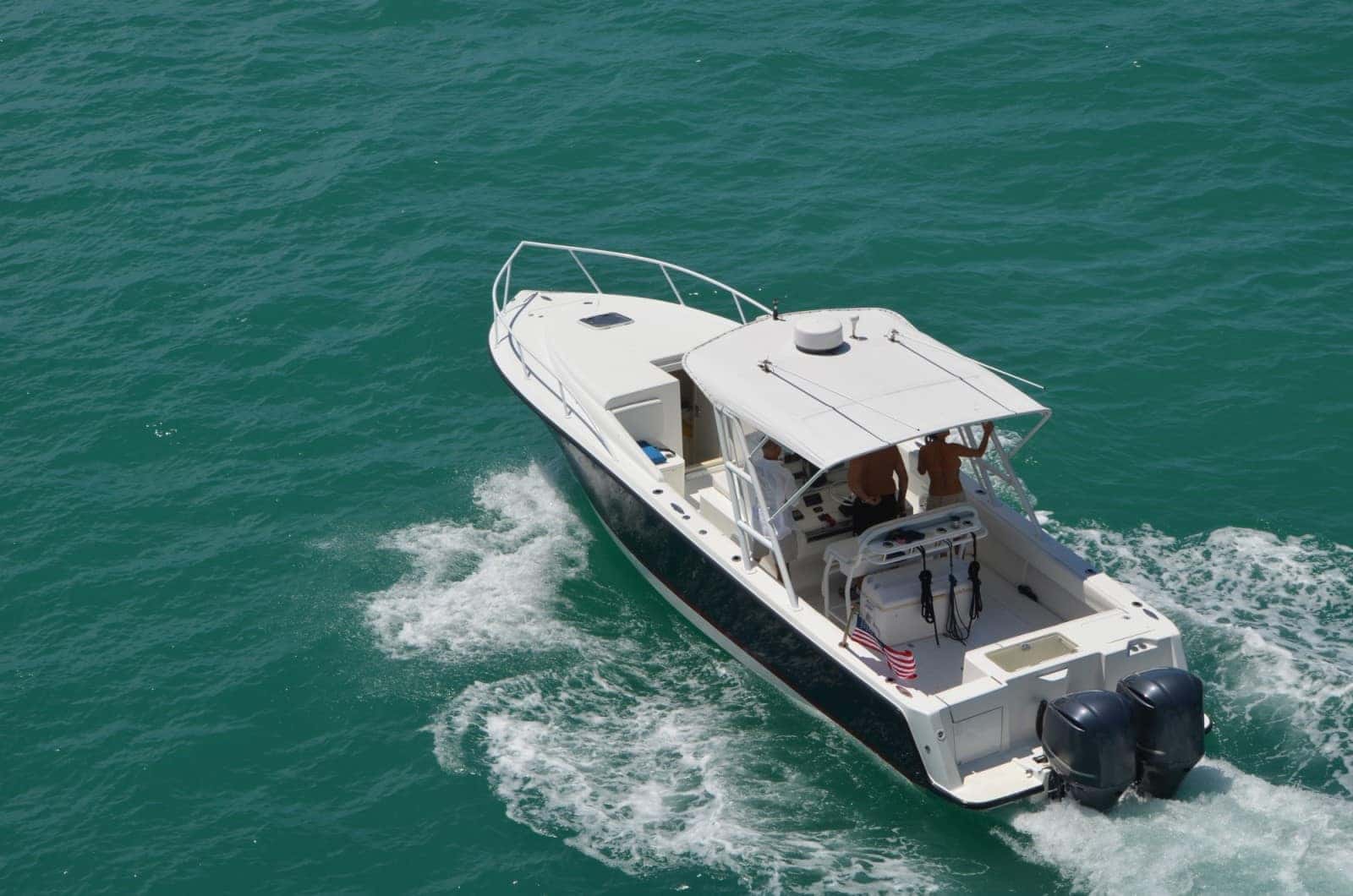
Spending time outside and in nature is good for your body and mind, and boating is definitely one of the best recreational activities to help you relieve some stress.
Whether you’re brand-new to boating or you’ve been hitting the water for years, there are always some important tips that all boaters should keep in mind.
Read on for a list of six boating tips that will help you stay safe and enjoy your journey whenever you’re out on the water.
1. Keep Safety Guidelines Fresh in Your Mind
It’s easy to get caught up in the excitement of heading out on the open water, but that doesn’t mean you should sacrifice your own safety or the safety of your passengers. One way to stay on top of safety rules is to take an annual safety boating course.
Understand the rules of the water, including the proper use of lifejackets, how to navigate your boat safely in different types of weather, and what to do if you need help. If you enjoy boating at night, you should also make sure you have the right gear and the right protocols in place.
Check your route before you go boating, and make sure that you have all of the necessary coordinates. Designate a “second mate” if you’re boating with family or friends, so someone else is there to help if you need it.
Do an inventory of your boating safety equipment, including a lifejacket count, whistles or emergency sirens, and flotation devices. You should also have at least one working fire extinguisher and a fully stocked first aid kit on board.
Request a Vessel Safety Check (VSC), so you can be sure you’re following the proper guidelines. Most checks are free of charge and should take no longer than 15 to 30 minutes to complete.
2. Know the Dangers of Carbon Monoxide
One of the most crucial boating safety tips is to be aware of potential carbon monoxide poisoning. These fumes can start to accumulate in and around the boat, and they can not only knock everyone unconscious, but they can also be fatal.
This harmful gas can accumulate anywhere, including in the cabin, other boats nearby, and blocked exhaust outlets. Always keep the interior areas of your boat properly ventilated, especially at night. A carbon monoxide detector can help alert you in the event that the gas is present.
CO is not something that most boaters think about, but CO poisoning on boats is much more common than you may think. Understand the symptoms of CO poisoning so you know what to look for just in case you think you might have been exposed.
Ensure that all of the exhaust outlets on your boat are clear, and stay away from parts of the boat where the exhaust is vented while you swim or play. Dock your boat at least 20 feet away from the nearest boat when it’s running the engine or a generator to keep a safe distance.
3. Boating Tips: Practice Good Judgment
The safest and easiest way to enjoy spending time on your boat is to consistently use your best judgment. That means never speeding while driving your boat and following some other common-sense safety tips.
Never drink alcohol and drive a boat, as alcohol and boating don’t mix, and it’s just as dangerous as if you were getting behind the wheel of a car. Being under the influence of alcohol while operating a boat is a crime in all 50 states, and it may also be a federal crime in certain circumstances.
Always monitor the weather and turn around if you’re approaching a storm or other inclement weather, such as extremely high winds. If temperatures drop suddenly or it gets dark fast, it’s probably time to head back to shore.
Remember that situations can change instantly, so it’s important to be extremely aware of your surroundings at all times. Make sure that all of the lifejackets on board are in good condition and that they fit every passenger correctly.
4. Plan Ahead
The best boating tips should always involve being prepared for whatever lies ahead. Develop a float plan that documents where you are going, who will be with you, and when you’re planning to return from your journey.
Send this plan to a friend or family member just in case something goes wrong. In addition to your float plan, you should always perform a pre-boarding safety check.
Check the engine of your boat and ensure that all of the fluid levels, as the oil and transmission fluid, are correct. Test the battery to ensure it’s fully charged, and make sure that you have a full tank of gas before you head out. Keep up with engine maintenance on your boat to avoid potential breakdowns on the water.
If you need to refuel, open the hatches, and run the blower to check for fumes. If you happen to smell fumes, do not start the engine until the smell subsides.
Always keep your operator’s certificate and any other pertinent paperwork onboard and up to date. As mentioned above, be sure that all of your safety gear like lifejackets, flashlights, and other important items are fully stocked.
5. Practice Passenger and Propeller Safety
Before you even start the boat’s engine, do a head-count to check for all of your passengers so that you’re sure everyone is on board before you depart. Pay close attention to kids and never let them sit in a part of the boat where they could fall off or get injured by the propellers.
If someone happens to fall overboard, stop the boat and turn around immediately. Try to keep the person in sight and approach them slowly. Turn the engine off before you bring them back on board.
Never let passengers come on board or exit your boat when the engine is on or idling. Shut it off whenever you approach anyone in the water, whether they’re on another boat or swimming. Passengers should stay off of the swimming platform while the engine is operating.
Do not enter swimming zones with your boat, and be very cautious and aware of other boats towing people in innertubes or on water skis. Many accidents on the water are a result of injury to swimmers by other boats. You should also never put your engine in reverse while near swimmers and water skiers.
If appropriate, use a propeller guard for additional protection. Educate your passengers about propeller safety before you disembark. Another passenger safety tip is to make sure you have exit signs inside the cabin if your boat has extra room for overnight guests and longer trips.
6. Boat Fishing Tips
There’s nothing quite like spending a relaxing day on the water as you catch some fish from your boat. A successful trip involves more than just finding a spot, dropping the anchor, and casting your line out as you hope for a bite.
You’ll need to do a little bit of planning before you start your fishing trip. It’s important to find out what type of fish you’re after to make sure you’re heading to the right areas and that you’re fishing during the active season.
Please do some research on the fish you want to catch and find out when they’re most active. This includes the tides, the weather, and even the wind direction so that you’ll end up with a decent catch. Don’t forget to find out what type of bait you should use, too.
If you’re planning to head to a shallow cove or a river, bring some waders to fish in these areas. On colder days or in cold climates, make sure that you have plenty of layers of clothing to keep you warm.
Most fishing trips take at least a full day, so don’t forget to stock your cooler with plenty of drinks, snacks, and lunch. All of your fishing buddies should be equipped with a lifejacket that fits them properly.
Get to know the various methods of boat fishing, such as casting, trolling, or troll-and-cast. Practice fishing from shore a few times until you’re comfortable with your equipment. Stay up to date on the latest techniques, so you don’t come back from your trip empty-handed.
Safe Boating is Fun Boating
Heading out to enjoy a beautiful day on the water is always a great experience. With a few simple boating tips in mind, you can be sure that your excursion is successful and fun.
Practice proper measures every time you get on your boat, including a float plan and a quick safety equipment check. Monitor the fluids levels in your engine and never leave shore without a full tank of gas.
If you’re looking for a new boat, equipment, or other marine products, be sure to shop our website or contact us today for more information, and we’ll be happy to help!
0 comment(s) so far on Boating Tips to Help When on the Water