


7 Freshwater Fishing Tips to Keep in Mind
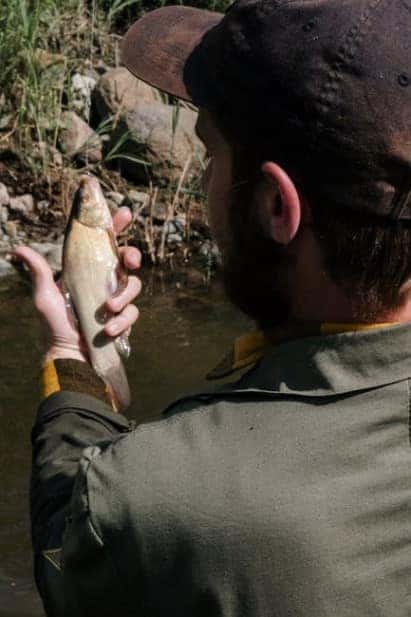
Are you looking for a new outdoor recreation that you can take on even during a pandemic? Do you want something that will bring you closer to nature? Then freshwater fishing is an excellent option to consider.
In 2015, there were over 3.2 million adult anglers (or people who carry a rod and a fishing line with a hook) in Canada.
Despite the pandemic, recreational fishing remains one of the safest outdoor activities today. Moreover, it offers a therapeutic value for people amidst these trying times.
But as a newbie, you need to learn some freshwater fishing tips before heading out in the water. Thus, we invite you to continue reading below for some of the most valuable tips for freshwater fishing beginners.
1. Freshwater Fishing Tips Always Begin with Research
Like in any other activity, you, as a newbie, should start your journey with research. Your research will serve as the foundation of your freshwater fishing exploits. But what are the areas about freshwater fishing should you research?
For starters, learn about the difference between freshwater fishing and saltwater fishing. How do these two differ from one another? Freshwater is a body of water that contains less than 0.05% salinity.
Hence, the types of fish you will find in freshwater are different from those you can catch in saltwater.
Some of the fish you can catch in freshwater include trout, catfish, cisco, and mooneye. You will also find pike, whitefish, and pink salmon.
Also, you need to learn how to cast. Casting is the act of throwing your lure or bait using a fishing rod and fishing line. What you want to get the feel of spinning your rod and bait caster with accuracy.
We will discuss more rods, baits, and lures later down below.
Additionally, you want to research the creel limits in the spots where you plan to fish. A creel limit is the maximum amount or size of fish that you can catch per day. This is crucial in maintaining the balance and population in the freshwater.
2. Focus on Safety and Comfort
A list of freshwater fishing tips for beginners is complete without discussing safety. Numbers reveal that 90% of Canadians who die in water-related accidents do not wear life jackets. The data says it is the most common risk factor in drowning incidents that occur during recreational boating.
Thus, as a newbie, it is best to carry a life jacket with you in your boat. But if you’re going to wade into the river or pond, always use a wader belt. This will keep the water from rushing into your waders.
Hence, you also need to invest in a good pair of wading boots. Compared to other types of boots, wading boots are waterproof, at least to a certain depth. When shopping for wading boots, find a pair with a rubber material for its soft foot-bed.
You may also go for one with UV protection or quick-drying features.
As for the rest of your clothing, you want to practice layering. However, this type of layering will not hinder your comfort.
First, you need to invest in some lightweight shirts. These are shirts that come in light colours and feature breathable materials.
A good option is to get a quality fishing shirt. This shirt features short sleeves and a button-down construction. It uses a mesh lining that will keep you cool, especially during hotter days.
As for your bottom, you can go for nylon cargo pants and shorts. You can use the pockets of cargo pants for your small items.
3. Use the Right Reels and Rods
Another important tip that will help you master the fundamentals of freshwater fishing is having the right kinds of rods and reels. The rule of thumb is to use the proper reels that match your rods.
As a newbie, there are two types of rods to choose from. There is the spinning rod, and there is the bait casting rod. With a spinning rod, you will attach the reel at the rod’s bottom.
Meanwhile, the reel connects at the top of the rod if you’re using a casting rod. Ideally, a spinning rod is more newbie-friendly. Also, find one that comes with a button release feature.
As for the length, find a spinning rod that measures about 6 feet and 6 inches long. This will provide enough versatility for beginners. And when it comes to flexibility, you need to pick the right “action” of the rod.
The action of the rod depends on key factors. These include the type of lures you use, your casting technique, and the type of fish you’re looking to catch.
Hence, a medium-action spinning rod can balance all these. This type of rod bends in the middle part of the rod, giving you more leeway to master your casting techniques.
As for the spinning reel, you need to use the appropriate size for your rod. In this case, start with a small spinning reel. Ideally, you want a reel with a 35/350/3500 measurement.
Also, find one that comes with a 5:1 gear ratio.
4. Choose a Fun and Simple Type of Fishing Experience
You also need to determine the type of freshwater fishing that you want to experience. Since you want your first try to be fun, pick one that matches the fishing technique that you wish to learn.
Certain factors will affect your choice, namely, the location and the size of the body of water. Moreover, the type of fish that you want to catch and the fishing equipment that you have will also be factors in your fishing experience of choice.
When it comes to the types of freshwater fishing, there are three options to choose from. You can fish on a boat; you can use a boat for trolling or do static fishing on a dock or jetty.
The good thing about freshwater fishing is that you don’t need a big boat for it. Instead, a small boat like a bass boat allows you to move and cover more area with ease. Moreover, it gives you a better chance of getting bigger fishes.
However, it is best if you put boat trolling on the backburner for now. Trolling involves a technique wherein you will use the boat’s motion to capture fish. Since you’re still a beginner, it is best to focus on the fundamentals first.
Meanwhile, you can also try static fishing. This is arguably the easiest form of freshwater fishing. Here, you don’t need any boats or high-end equipment.
Just use your rod and reel and master the basics of fishing.
5. Understand Your Lures
As a fishing newbie, you don’t want to go all-out regarding spending on your equipment. Hence, stick to cheap lures as you learn the basics of freshwater fishing. This will keep you from feeling guilty about losing expensive lures while fishing.
Also, you need to understand how lures work. This is crucial if you wish to maximize them to your advantage.
Lures work by attracting the fish’s attention. They do so through their movement, vibration, water reflection, and colour.
Some lures also come with multiple hooks. This gives you a better chance of catching fish. However, not all lures work the way you want them to. Even if they already attract fish, you can still lose the fish as well as your lure.
Hence, the cheap lures for beginners.
But even if you’re using cheap lures, you need to get a feel of how they work. You need to gain your confidence as you throw them into the water.
6. Being Aware of Common Mistakes
Another important tip is to be aware of the most common mistakes in freshwater fishing. For starters, neglecting your headgear is one of the biggest boo-boos you can ever commit.
Before going out to fish, you need a good fishing hat. This will keep your head warm or cold, depending on the weather. During cold weather, a good hat will keep your ears warm.
On the flip side, it will keep your face from the sun’s harmful rays during summer.
Also, failing to inquire about local fishing rules is another big mistake to avoid. As we mentioned earlier, fishing spots have specific rules like the creel limit. This rule determines the amount of fish you can capture in a day.
There is also the slot-length limit. This pertains to the size range of fish that you can catch. Not following local fishing rules may lead to paying stiff penalties.
7. Get a Feel of the Weather and Temperature
Last but not least, you need to stay on top of the weather before fishing. Check the weather conditions before leaving the house. Invest in a marine radio to get up-to-date monitoring of the weather in various fishing areas.
Also, the water temperature and pressure affect the way fishes respond to your bait. Fish become more active when temperatures start to drop. However, extreme cold weather may make them lazy.
Ideally, you want to fish on a cool day with a little bit of rain.
Let’s Get You the Fishing Boat You Need
By following these freshwater fishing tips, you can learn the basics of fishing and build a solid foundation in the process. And if you decide to invest in a fishing boat, we have some of the best options for you.
We offer an extensive lineup of new and pre-owned boats for various fishing needs. We carry Triton boats and other leading brands in the industry. Connect with us today, and let’s get you that fishing boat you need.
0 comment(s) so far on 7 Freshwater Fishing Tips to Keep in Mind