


6 Key Aspects of Snowmobile Maintenance
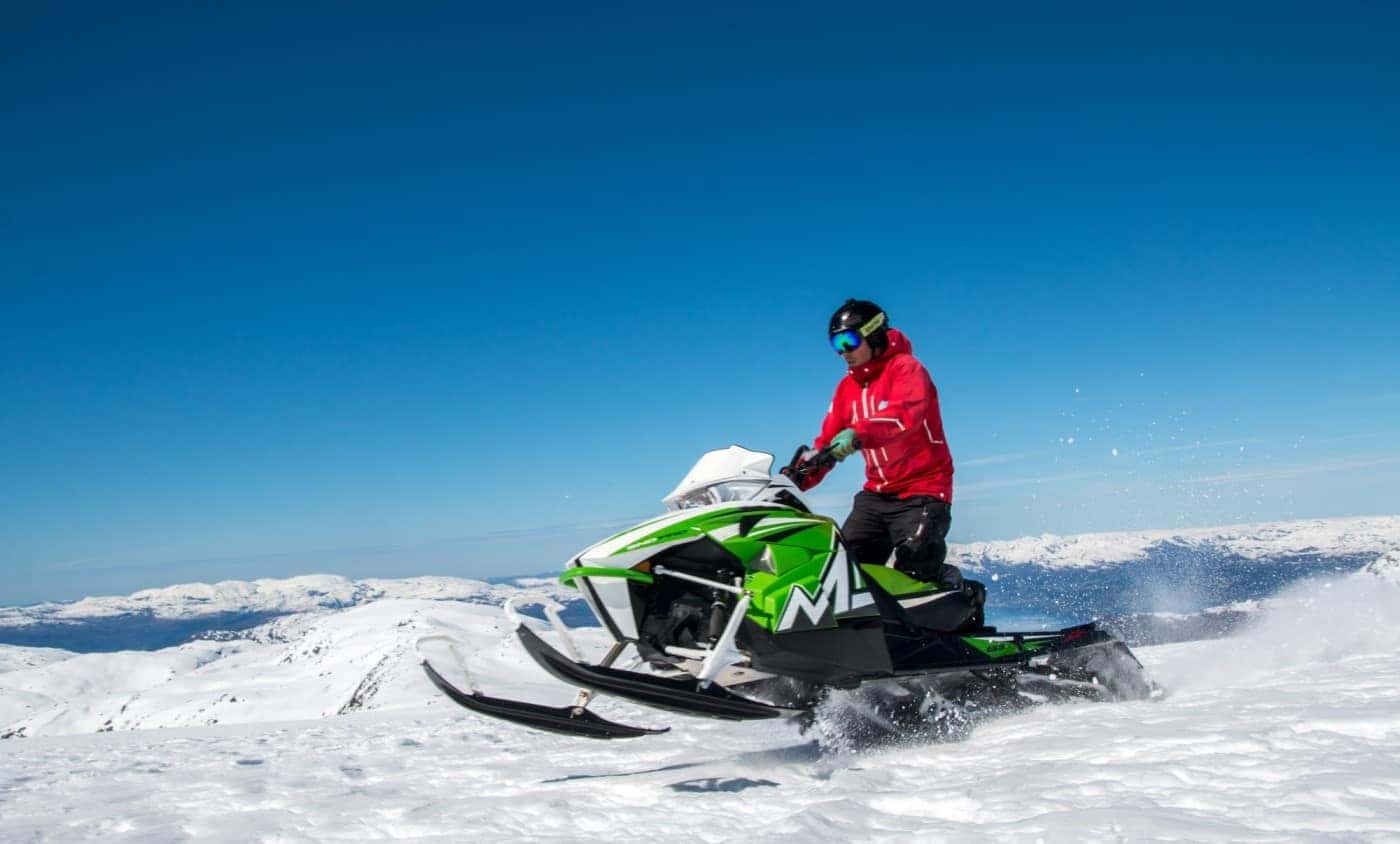
Snowmobiling is one of the best activities to enjoy in the winter. It allows you to spend time with family and friends, enjoy the great outdoors, challenge yourself, and get your adrenaline pumping.
But, in order to enjoy this sport to the fullest extent, you need to make sure you’re properly maintaining your vehicle. What do you need to do to keep your snowmobile in top shape?
Check out this snowmobile maintenance guide to learn everything you need to know.
1. Inspect the Exhaust System
Inspecting the exhaust system on a regular basis is one of the most important things you can do to maintain your snowmobile, as many problems can occur within this system if it’s not properly maintained.
Springs could break, manifold gaskets could leak, and mounts might crumble. To fully inspect the system, take a look at the exhaust manifold and work your way to the exhaust outlet. If the engine in your snowmobile is more than several years old, then there’s a chance that there will be a leak from the cylinder’s exhaust manifold.
While this won’t likely cause a loss in power or a breakdown, it can result in a huge mess if it’s not taken care of. Pop open the hood to inspect the front of the cylinders. If they’re covered with a sticky oil, then this means your manifold needs some attention.
Typically, loose hardware that attaches the Y-pipe to the cylinder is the cause of this mess. If this is the culprit, then torque the engine to spec.
If your snowmobile is more than three years old, then there’s a chance that the oil gaskets are shot. Luckily, new gaskets are affordable, and installation is a breeze.
Here’s what you need to do to clean the exhaust system fully:
- Take the Y-pipe out of the cylinder and clean the mount surfaces
- To clean up the gaskets and the gun, you can typically use a putty knife and carburetor cleaner
- If the mess is really stubborn, then you can use a wire brush or gasket scraper
- Once the cylinders and Y-pipe are clean, replace with new gaskets and torque the pipe to spec
- Check the pipe’s seams for separation and check the joints where the exhaust system comes together
- Replace the broken exhaust spring that’s located in the nose pan
Keep in mind that joints might wear or rust, and seams might separate. Also, vibration dampers may have fallen apart or fallen out of place. You should inspect and replace these parts as necessary and double-check to ensure the shock system doesn’t rest on a nose pan or the shock tower.
2. Change the Chaincase Lube and Adjust the Chain
To keep your snowmobile in top condition, you also need to pay attention to the chains and chaincase.
Inside the chaincase, a chain and sprockets transmit power from the jackshaft to the driveshaft. To keep your snowmobile in proper working order, the parts are coated in oil. You should change the chaincase lube at least once per year to keep your engine running smoothly.
Begin by draining the chaincase lube into a container and checking out its condition. If it looks clean, slippery, and appears to be in good shape, that means you’re doing a good job keeping up with the drivetrain’s maintenance.
However, if it’s oily, polluted, and dirty, then you need to make some changes. Typically, chaincases can hold between 6 and 12 ounces of lube.
If the chaincase has less oil than what seems appropriate, remove the chaincase’s cover and inspect the sprockets and chain for damage. If there’s oil in the nose pan near the chaincase, then there’s also likely a leak. This is typically due to a bad seal between the case and the cover.
It’s also possible that the oil seeped through one of the bearing seals. Check to see if there’s oil behind the chaincase and feel the bulkhead where the driveshaft exits the chaincase.
After you refill the case with oil, adjust the chain according to the manufacturer’s specifications. As a general rule of thumb, the chain should have about 1/4-inch room to play around with. To check the chain’s deflection, rotate the secondary clutch and squeeze the brake lever.
3. Check the Drive Belt
Before you head off on your next snowmobile adventure, you also need to check the drive belt. If the drive belt breaks, it can cause the engine to blow. If this happens when you’re out on the trail, you may not have the right supplies to fix things, which can be a huge safety issue.
This is why checking the drive belt is so important. To make sure the drive belt is still functioning, check the lugs (also known as the belt’s teeth). Ensure the lugs aren’t worn flat and that the edges of the belt haven’t begun to shred.
If you notice any of these things, the belt may be susceptible to failure, so you’ll need to have it repaired.
4. Maintain Fluid Levels and Check the Oil
You should check your snowmobile’s engine on a regular basis to make sure the fluid levels are properly maintained. If fluid levels are low, top them up before you hit the road.
While an empty gas tank will leave you stranded until more fluid arrives, too little coolant or oil can do serious damage to your vehicle. It’s a good idea to bring a small bottle of isopropyl with you when your ride. This way, you can add some to your vehicle if there’s condensation in your tank or you get some watery gas.
When it comes to adding more oil to your machine, you’ll want to carefully follow the manufacturer’s instructions. Once you add more oil to your machine, allow it to sit idle for a few minutes before revving it up. Because the engine consists of different parts that warm up at different rates, letting it sit idle for a couple of minutes will ensure that it’s completely warmed up for your ride.
5. Keep Your Snowmobile Clean
When most of us think of snowmobile maintenance, we think of things that need to be done to the vehicle’s interior. However, it’s also important to pay attention to the snowmobile’s exterior.
To extend your snowmobile life, we recommend washing it after every ride, as this will help prevent rust and corrosion of the metal components. You should also wash away any road salt that your vehicle has collected during your trip, as well as any oil or grease that may have leaked or spilled.
After washing your snowmobile, make sure it dries completely before your next ride. Running it on a jack stand can help ensure that all water is removed from the clutches, bearings, and suspension.
To prevent snow and other debris from accumulating on your snowmobile, you should always cover it when in transport. While placing it in an enclosed trailer is the best way to ensure that it doesn’t get dirty, using a cover that wraps all the way around the snowmobile also works just as well.
6. Adjust the Track and Align the Skis
Adjusting the track and aligning the skis will ensure that you have a smooth, safe ride. If your skis are out of alignment, it’ll compromise the machine’s efficiency and speed.
If the skis are toed in too much, it’ll cause your snowmobile to dart as the skis try to follow their own line in the snow. If the skis are toed out too much, this causes the snowmobile to push through turns. A misaligned track can also negatively impact the power of the snowmobile, as it adds rolling resistance.
Begin by aligning the track and then resetting the tensions. Before you adjust the track tensioners, remember to loosen one of the rear axe bolts. After you align the track, please take a seat and position the handlebars so they’re straight.
Once the track is in line and the handlebars are set straight, lay a straightedge along the track’s edge. Measure between the toe and heel of each ski and between the straightedge. Then, adjust the alignment as needed until the skis are aligned.
Snowmobile Maintenance: Time to Care for Your Snowmobile
Performing these snowmobile maintenance tips will help extend your vehicle’s life and allow you to enjoy a smoother ride. But, keep in mind that no matter how well you keep up with your maintenance routine, your snowmobile will eventually need to be replaced.
If you believe your snowmobile is on its last leg and you’re looking to purchase a new one in the Manitoba area, contact us today.
0 comment(s) so far on 6 Key Aspects of Snowmobile Maintenance