


10 Ice Fishing Tips to Try Out
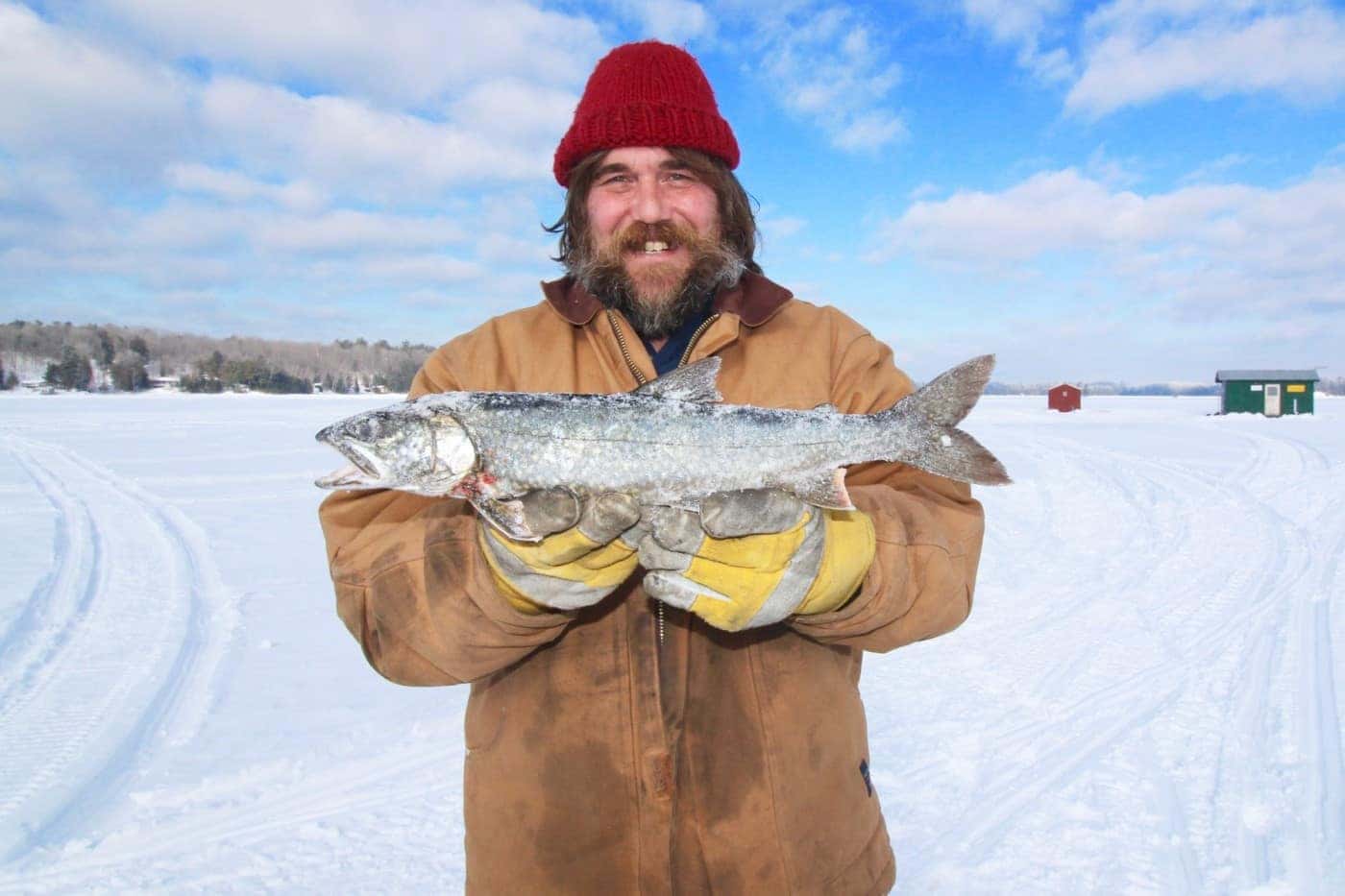
Ice fishing is a great way to make the most out of winter. That said, it comes with its fair amount of challenges. As such, you might be on the search for some ice fishing tips.
If so, you’re in the right place. We’re going to provide you with 10 of them below. Here’s how to conquer your next ice fishing trip.
1. Twist Your Line
Ice fishing is a stationary form of fishing. You’re typically in a seated position, holding your line straight down into the water below.
The problem with this is that it doesn’t allow for much line movement. Generally speaking, you can only pull your line up and down, limiting the type of movement you can provide to your lure. Over time, fish get used to this movement and cease to be fooled by it.
For this reason, you should instead consider twisting your fishing line. Hold it between two fingers and twist your wrist back and forth. This will cause the lure to move differently, showing fish something they’re not accustomed to seeing.
With any luck, the fish will grow curious and bite onto your hook. From there, it’s as simple as reeling your line in.
2. Throw Some Chum
A lure and bait are usually satisfactory when it comes to catching fish. However, after a while, the fish could start to grow wary of these. It’s at this point that you should consider throwing some chum into the water.
Chum is essentially a mishmash of dead animals, typically worms, minnows, and the like. These animals can be ground up, thus creating a bloody stew that attracts other fish. Once it’s thrown into the water, chum tends to work like magic.
Fish will swarm your way in short order, and, even better, they’ll be in the mood for eating. So, make sure to have your hook waiting. It will be just a matter of time before you finally snag something.
3. Cover the Hole
As you probably know, when you go ice fishing, you have to cut a hole in the ice in order to reach the water beneath. While this is 100% necessary, it can create a few problems.
First and foremost, in particularly cold conditions, it can refreeze, causing you to lose your line beneath a solid sheet of ice. Secondly, it can allow sunlight to peek through, startling any fish that might come toward it. Lastly, it can allow for unwanted elements to fall into the water below.
For this reason, you’re advised to cover the hole that you dig in the ice. This can be done either with ice shavings or with a specialized cover. You can buy such a cover for under $10, and it will do a terrific job of combatting the above-reviewed problems.
4. Alternate Between Narrow and Wide Lures
Fish certainly don’t possess the intelligence of human beings, but that doesn’t mean they’re stupid either. They can notice patterns, and they can catch on to when something isn’t quite right. This is particularly true when it comes to bait.
For instance, in the case of ice fishing, many fish are used to seeing tall and narrow lures. As such, after some time, they cease to be attracted to them. They stop falling for the ruse.
This is why, from time to time, you need to switch to a wide, short lure. If fish are used to seeing a tall, narrow lure, a wide, short lure will likely fool them. They’ll react to it almost instinctually and might even chomp down on your hook.
Switch the size and shape of your lures frequently when out on the ice. This will keep fish off-balance and provoke them into making mistakes.
5. Leave Your Line Stationary
Oftentimes, movement is needed in order to attract fish to your lure. However, that isn’t always the case. On some occasions, fish will actually flock to a sedentary lure, one that’s sitting perfectly still.
As such, you’re advised to leave your fishing line in a stationary position from time to time. Set it in a holder or dig it into the ice, and just allow it to sit there without movement. A fish will swim its way with any luck and take a great big bite out of the hook below.
Now, you don’t have to do this the entire time. That would be rather boring, in fact. But it serves as a good tactic in an ice fishing repertoire.
6. Go With an Experienced Angler
Though it shares similarities with other forms of fishing, ice fishing is really quite different. If you’ve never done it before, it’s likely going to be a little challenging for you. Not only will it be difficult for you to find the right entry location, but it will also be difficult for you to make adjustments and facilitate tactics.
As such, regardless of what else you read in this article, you’re advised to first go ice fishing with an experienced angler. This way, you’ll have someone to show you the ropes in real-time. This will speed up the learning process for you substantially.
Not to mention, ice fishing has the potential to be dangerous. Should you fall in and not have anyone around to assist you, you could suffer serious injury or even death. So, it’s smart to have an experienced angler around who knows what to do in the event of an accident.
7. Wear Cleated Boots
Ice is, well, ice; it’s slippery. As such, it can be a little difficult to stand on. This is why, when you go ice fishing, you’re advised to wear cleated boots.
Cleated boots will help you to dig into the ice below, providing you with adequate traction and ensuring that you don’t get injured. They will also provide you with leverage in the event that you have to pull in a particularly large fish.
You can buy a pair of metal cleated boots for between $50 and $100. Ensure they provide adequate coverage for your ankles as well, as conditions are almost sure to be snowy.
8. Make Sure the Ice Is Thick Enough
Ice fishing is, of course, done on the top of a frozen body of water. As such, when ice fishing, there’s a risk of you falling through the icy surface and into the water below. You (obviously) don’t want this to happen.
As such, before you set out, you need to make sure that the ice is thick enough. Generally speaking, ice needs to be at least 4 inches thick to hold the weight of human beings.
To check the ice’s thickness, drive a wood auger down into it until it’s reached the water. Then, use a tape measure to make the measurement. Take great care when doing this, for if the ice is too thin, you could already be putting yourself in danger.
9. Pack Accordingly
Ice fishing isn’t just about fishing. When you go ice fishing, you’re exposing yourself to some fairly harsh elements. From time to time, the situation might not go as planned.
So, for this reason, we must advise you to pack accordingly. Not only should you bring several layers of clothes but water, a life vest, and a whistle as well. The latter can help you if you get trapped or fall through the ice.
10. Use a Spring Bobber
There are two types of bobbers: spring bobbers and slip bobbers. When it comes to ice fishing, the spring bobber reigns supreme.
Unlike slip bobbers, spring bobbers enable you to cast your line to different depths. This means that even when your line is in the water, you will be able to lengthen or shorten its depth without affecting your bobber location.
This is beneficial, as many of the fish you’ll be looking for are located at the bottom of the water. Using a spring bobber will enable you to drop your line down to this depth without disturbance. Just keep an eye on the movement of the bobber, and pull up when it alters.
Time to Put These Ice Fishing Tips to Good Use
Ice fishing comes with a bit of a learning curve. But if you put these ice fishing tips to good use, you’ll be pulling in the big ones in no time.
Looking for other ice fishing tips? Our blog can help you!
Need a recreational vehicle to assist you on your trip? We sell everything from boats to snowmobiles to ATVs and more. Check out our selection of vehicles now!
0 comment(s) so far on 10 Ice Fishing Tips to Try Out